The US signals potential reversals of China tech bans, India mandates two-hour removal of harmful AI content, and Singapore commits $30B to AI development amid tightening global tech regulations.
US Reconsiders China Tech Restrictions
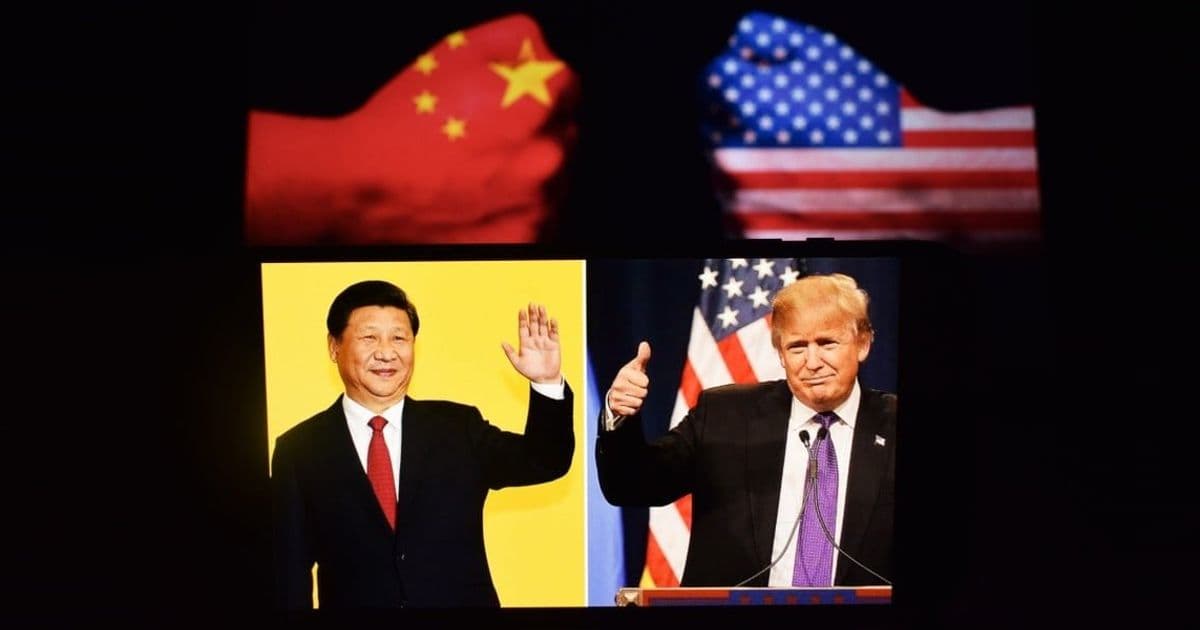
Recent actions indicate potential easing of US restrictions on Chinese technology companies. On February 14, 2026, the US Federal Register published an updated list of Chinese Military Companies—entities facing significant operational restrictions in the US. This version added Alibaba, Baidu, and BYD while removing memory manufacturers ChangXin Memory Technologies and Yangtze Memory Technologies. Though withdrawn hours later pending revision, this draft signals a policy shift allowing Yangtze and ChangXin to resume DRAM sales to US customers despite their minimal market share.
Further reversals appear imminent. The US may lift bans on Chinese telecommunications carriers operating domestically and abandon plans to prohibit sales of TP-Link networking equipment. These changes would dismantle core components of the 2020 Clean Network policy, which barred Chinese carriers, subsea cables, and cloud providers from US infrastructure. Industry analysts speculate these concessions serve as diplomatic leverage ahead of an anticipated Trump-Xi summit. Businesses should monitor the Federal Register for the finalized list and prepare for supply chain adjustments within Q1 2026.
India Mandates Two-Hour AI Takedowns
India's Ministry of Electronics and Information Technology enacted stringent new AI regulations on February 10, 2026. The Digital Media Ethics Code Amendment requires social media platforms to:
- Automatically detect AI-generated content
- Remove intimate deepfakes or false depictions of individuals/events within two hours when authorities deem content poses urgent personal harm (down from 24 hours)
- Prohibit AI tools from creating banned content categories
Compliance is mandatory by February 20, 2026. Platforms must implement real-time detection systems and establish rapid-response protocols for government takedown orders. Violations carry penalties under India's IT Act, including potential platform blocking. This represents Asia's strictest AI content governance framework to date.
Singapore's $30B AI Investment Framework
Prime Minister Lawrence Wong announced a S$37 billion ($30B) Research & Development fund during Singapore's 2026 budget address, prioritizing national AI Missions. The initiative targets:
- Advanced manufacturing automation
- Port and logistics optimization
- Financial services transformation
- Healthcare innovation
Concurrently, Singapore will establish binding AI governance rules requiring:
- Algorithmic bias testing
- Misinformation safeguards
- Ethical use certifications
- Benefit-sharing mechanisms
"AI must serve our national interests," Wong stated, directing agencies to publish compliance guidelines by Q3 2026. Companies operating in Singapore should audit AI systems against forthcoming standards and align R&D with priority sectors.
Compliance Timelines Summary
| Jurisdiction | Requirement | Deadline |
|---|---|---|
| USA | Adjust supply chains per revised Chinese Military Companies List | Upon publication (est. March 2026) |
| India | Implement AI detection + 2-hour takedown system | February 20, 2026 |
| Singapore | Align AI projects with national missions | Ongoing (guidelines Q3 2026) |
Global enterprises must reconfigure compliance programs for these divergent frameworks. US-China policy volatility necessitates agile vendor assessments, while India's takedown rules impose infrastructure overhauls. Singapore's approach offers funding incentives but demands documented ethical AI practices. Legal teams should prioritize India's immediate deadline while tracking US and Singaporean rulemakings.
Comments
Please log in or register to join the discussion