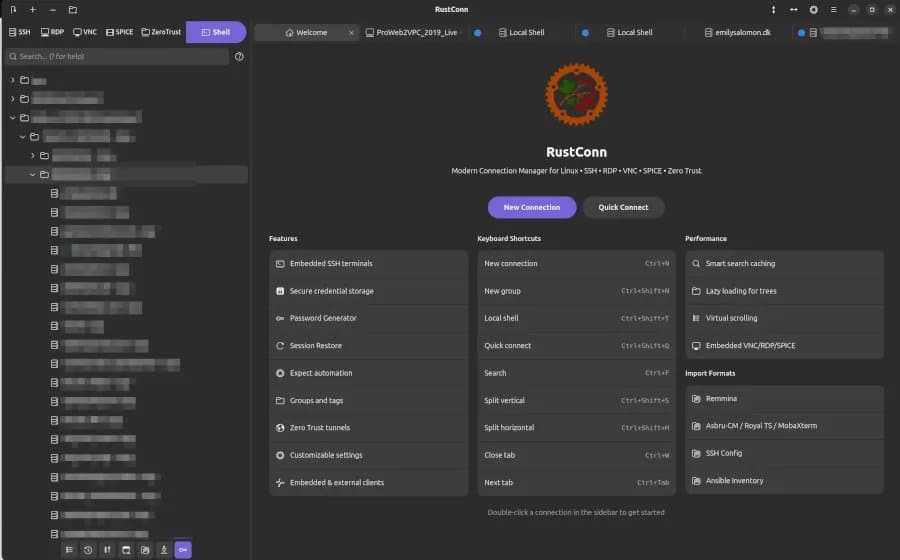
GNOME OS adopts systemd-context for more robust system configuration, while the new RustConn application brings modern GTK4-based connection management to Linux.
The GNOME ecosystem continues to evolve with two significant developments that showcase the project's commitment to modernization and improved user experience. Beyond the recent GNOME 50 beta release, the GNOME community has been busy implementing changes that will affect both system administrators and everyday users.
GNOME OS Adopts systemd-context for System Configuration
In a move that signals a shift toward more robust system management, GNOME OS is transitioning its system configuration handling in /etc to use systemd-context. This change represents a significant departure from traditional configuration file management approaches.
The motivation behind this transition is straightforward but important: making configurations less fragile and easier to update. Traditional /etc configuration files can be brittle, with manual edits potentially breaking services or creating inconsistencies. Systemd-context provides a more structured approach to managing these configurations, potentially reducing the likelihood of human error and making automated updates more reliable.
For system administrators and developers working with GNOME OS, this change means adapting to a new paradigm for system configuration. While the learning curve may exist, the long-term benefits of improved stability and maintainability are clear. This move also aligns GNOME OS more closely with modern systemd-based distributions, creating a more unified ecosystem.
RustConn: A Modern GTK4 Connection Manager
Perhaps even more exciting for end users is the announcement of RustConn, a modern connection manager for Linux that supports SSH, RDP, VNC, SPICE, Telnet, and Zero Trust connections. Written in Rust and built around GTK4 with Wayland support, RustConn represents a significant step forward in Linux remote connection management.
Technical Architecture
RustConn's choice of Rust as its programming language brings several advantages:
- Memory safety: Rust's ownership model eliminates entire classes of memory-related bugs
- Performance: Native compilation provides excellent performance for connection handling
- Modern tooling: Access to Rust's growing ecosystem of libraries and tools
The use of GTK4 and Wayland ensures that RustConn will feel at home in modern GNOME environments while providing the performance and features expected from contemporary Linux applications.
Supported Connection Types
RustConn's comprehensive protocol support makes it a versatile tool for various use cases:
| Protocol | Use Case | Security Level |
|---|---|---|
| SSH | Secure shell access | High |
| RDP | Windows remote desktop | Medium |
| VNC | Cross-platform remote desktop | Medium |
| SPICE | Virtual machine access | High |
| Telnet | Legacy remote access | Low |
| Zero Trust | Modern secure access | High |
This breadth of support means RustConn could potentially replace multiple specialized applications, simplifying the Linux desktop experience for users who need to connect to various systems.
User Experience Focus
The emphasis on being a "modern" connection manager suggests that RustConn will prioritize user experience alongside technical capabilities. This likely includes features like:
- Clean, intuitive GTK4 interface
- Seamless Wayland integration
- Connection history and favorites
- Credential management
- Protocol-specific configuration options
- Real-time connection status monitoring
Implications for the GNOME Ecosystem
These developments reflect broader trends in the Linux and open-source world. The adoption of systemd-context by GNOME OS demonstrates a continued commitment to leveraging modern system components for improved reliability. Meanwhile, RustConn's emergence highlights the growing influence of Rust in the Linux desktop space and the community's desire for modern, well-designed tools.
For GNOME users and developers, these changes promise a more cohesive and capable ecosystem. System administrators will benefit from more reliable system configuration management, while end users gain access to a powerful, modern connection management tool that integrates seamlessly with their desktop environment.
Looking Ahead
The GNOME project continues to demonstrate its ability to evolve and adapt to modern computing needs. As GNOME 50 approaches its final release, these underlying improvements in system management and user-facing applications suggest that the next major version will be more robust and capable than ever before.
For those interested in following these developments, the This Week in GNOME publication remains an excellent resource for staying informed about the latest happenings in the GNOME community.
The combination of systemd-context adoption and RustConn's introduction represents GNOME's commitment to both system-level improvements and user-facing innovations. As these technologies mature and see wider adoption, they have the potential to significantly enhance the GNOME experience for both casual users and power users alike.
Comments
Please log in or register to join the discussion