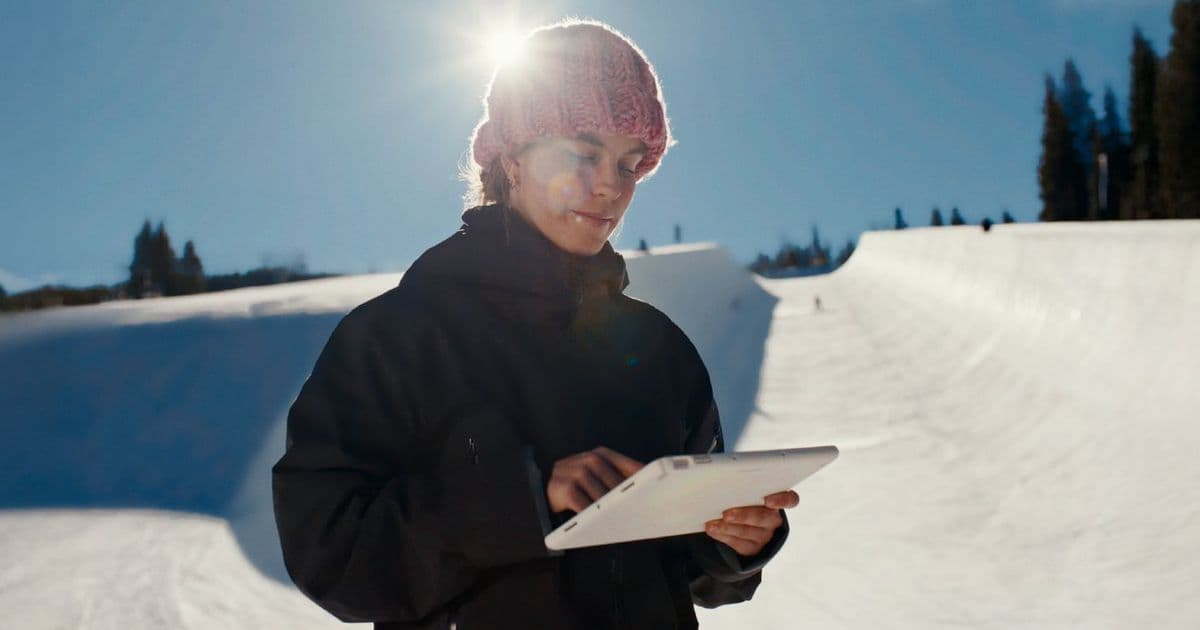
Google Cloud has developed an AI-powered video analysis platform that transforms smartphones into professional biomechanics labs, helping Team USA athletes analyze their tricks with millimeter precision using Gemini and DeepMind technology.
How Google Cloud is helping Team USA elevate their tricks with AI
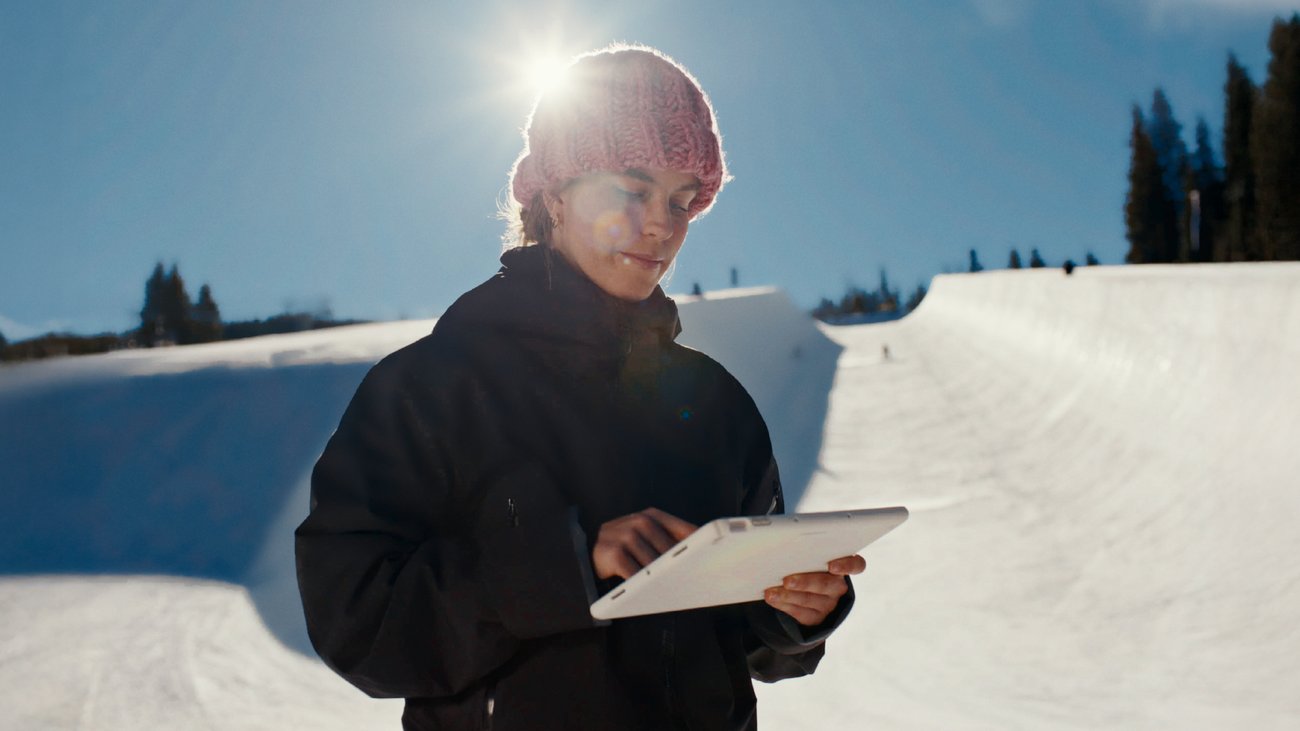
In freestyle skiing and snowboarding, greatness is a game of margins. At 50 miles per hour, the difference between a podium finish and a wipeout comes down to millimeters of edge control and the precise amplitude (or height) of a trick.
To help Team USA athletes like snowboarder Maddie Mastro and freeskier Alex Hall find that edge, and decode the physics of their most daring tricks ahead of the Olympic Winter Games, Google Cloud has built an industry-first AI-powered video analysis platform. Its goal is to help U.S. Ski & Snowboard athletes elevate their tricks — and their confidence.
How the platform works
Traditionally, high-precision motion capture technology, like the kind used in movies or medical research, required specialized suits and controlled environments. This experimental tool changes the game by turning a standard smartphone into a professional biomechanics lab.
Using Google DeepMind's research into spatial intelligence, the platform maps an athlete's motion directly from 2D video images — even through bulky winter gear. The tool, which runs on Google Cloud, processes this data in minutes, often before the athlete even finishes their next chairlift ride.
Once the analysis is complete, coaches and athletes on U.S. Ski & Snowboard — the national governing body for skiing and snowboarding — can "chat" with their data using the multimodal power of Gemini. A coach can simply ask: "How did that takeoff angle compare to the best run yesterday?" to receive quick, data-backed feedback.
"Instead of just going off gut feeling, which has worked great in the past, you can see the data and go a little bigger," says Hall, who won an Olympic gold medal at Beijing 2022.

Beyond the slopes: AI's broader applications
By solving for some of the most extreme conditions on the mountain — and the planet — we're demonstrating that Google AI can excel on biomechanical tasks in more conventional settings, too, whether that's helping amateur golfers, physical therapy patients or industrial robotics labs.
Though high-powered, Google's platform can run on devices in the palm of a skier's glove. While it would still be useful to have the analysis back at the gym or lodge, the fact it can play out on the slopes, in near real time, is a big part of the value to the team.
"In the past, I'd have to call a friend and say, 'Hey, do you have that shot of that trick from five years ago?' and then I'd just flip back and forth between videos," explains Shaun White, the former U.S. Olympian and famed snowboarder. "This tool changes that — it lets you take a run from the past and bring it into the future. You can slow it down and see exactly where your head and body are positioned in that moment. It's about being able to see those little things and understand them in real time."

We foresee these tools going way beyond the slope or the stadium. Whether the precision required in robotic surgery or the safety protocols of modern manufacturing, AI technology is evolving how we understand, and improve, the way the world moves.
Learn more on Transform with Google Cloud.
RELATED ARTICLE Tune into the Winter Games with Google Learn more about using Google tools to stay in the know on the 2026 Winter Olympics. See more
POSTED IN:
Comments
Please log in or register to join the discussion