
Google introduces two commerce initiatives: AI-powered personalized ads offering exclusive deals through Gemini, and an open Universal Commerce Protocol enabling AI agents to coordinate purchases across platforms.
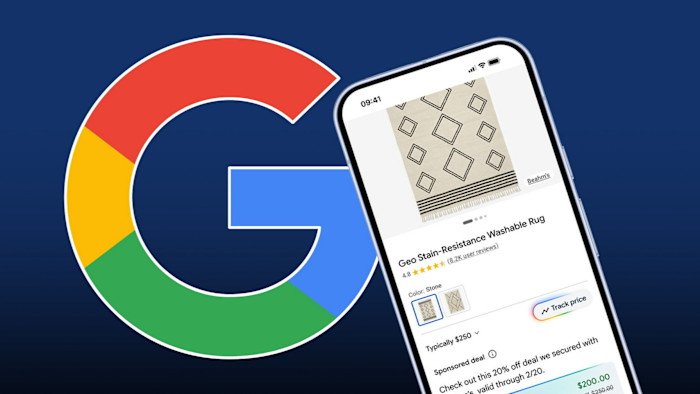
Google unveiled a dual-pronged strategy to monetize its AI capabilities at the National Retail Federation conference, announcing both a new advertising format powered by Gemini and an open technical standard for AI-driven commerce.
The Gemini-powered ads represent a significant evolution in contextual advertising. When users engage with Google's AI tools during product research phases, advertisers can now serve personalized offers for exclusive discounts or early access to products. For example, a user comparing laptop specifications via Gemini might receive a limited-time discount code from manufacturers. This system analyzes user intent signals to identify shoppers in active consideration phases without relying on third-party cookies.
Simultaneously, Google introduced the Universal Commerce Protocol (UCP), an open standard allowing AI agents to coordinate purchasing steps across different platforms. Currently in developer preview, UCP enables scenarios where a user's AI assistant could:
- Reserve an item at a local store via inventory API
- Apply loyalty points from a retailer's system
- Complete payment through a preferred banking app
Technical documentation on Google Developers shows how UCP uses OAuth 2.0 for authentication and JSON-LD for product data formatting. The protocol addresses longstanding interoperability challenges in e-commerce, where checkout processes often fail when crossing organizational boundaries.
This comes as Walmart expands its integration with Google's ecosystem, enabling direct purchases from Walmart and Sam's Club through Gemini. Retail analysts note these moves position Google at the infrastructure layer of AI commerce, creating revenue streams beyond traditional search ads. Challenges remain around user privacy controls and how smaller retailers might implement the technically demanding UCP standard.
The announcements reflect Google's broader push to embed monetization into AI interfaces as conversational platforms reshape shopping behaviors. Adoption metrics for UCP and advertiser participation rates for the new ad format will be key indicators to watch through 2026.
Comments
Please log in or register to join the discussion