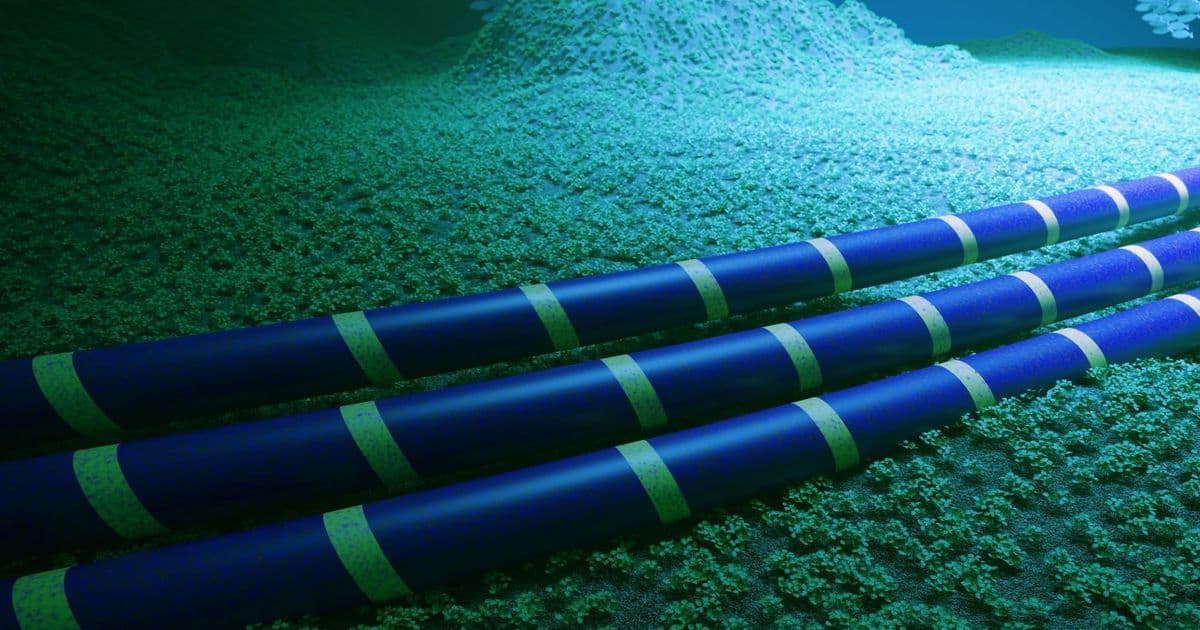
The historic TAT-8 cable, which revolutionized transatlantic communications when it launched in 1988, is being recovered from the seabed off Portugal after sitting dormant for over two decades.
The historic TAT-8 cable, which revolutionized transatlantic communications when it launched in 1988, is being recovered from the seabed off Portugal after sitting dormant for over two decades. This marks the end of an era for a technological milestone that proved fiber-optic transmission could transform global communications infrastructure.
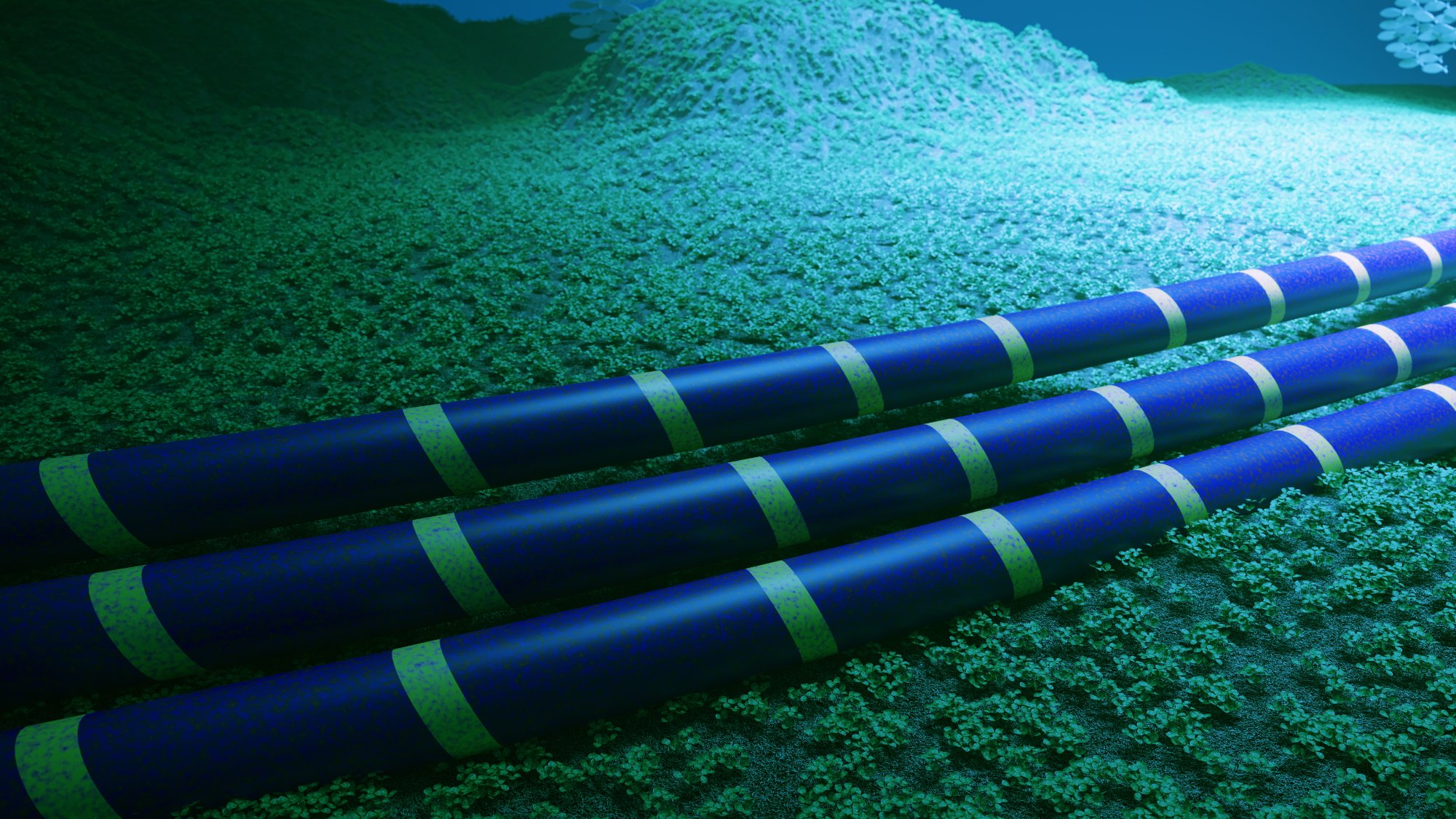
Built through a partnership between AT&T, British Telecom, and France Telecom, TAT-8 entered service on December 14, 1988, carrying its first transatlantic call across the ocean floor. The cable represented a quantum leap from previous copper-based systems, using optical fibers to transmit data as pulses of light rather than electrical signals through metal conductors.
The timing of TAT-8's launch was particularly symbolic. Science fiction writer Isaac Asimov addressed audiences in Paris and London via video link from New York, calling it "this maiden voyage across the sea on a beam of light." This demonstration showcased the cable's revolutionary capacity to handle video and data traffic that would have been impossible with previous copper systems.
Technical Specifications and Historical Context
TAT-8 was the eighth transoceanic cable system across the Atlantic, but the first to use optical fibers instead of copper for signal transmission. The cable contained four optical fibers, each capable of carrying 295 simultaneous telephone calls or 1.5 gigabits per second of data. While these numbers seem modest by today's standards, they represented a massive improvement over copper cables of the era.
The cable's capacity was exhausted within 18 months of launch, an unexpected success that validated the business case for fiber-optic undersea cables. This rapid saturation effectively proved the model for every major undersea cable that followed, leading to the rapid expansion of the TAT series, which reached number 14 by 2001.
The Recovery Operation
The recovery operation is being carried out by the MV Maasvliet, a new diesel-electric vessel on only its fourth voyage since leaving drydock in January 2025. The crew has faced significant challenges, including an early hurricane season that forced the ship off course. Storms Dexter and Erin have complicated the recovery efforts, resulting in less cable being collected than initially planned.
One of the most remarkable aspects of the recovery is the manual labor involved. The cable must be coiled by hand in the ship's hold because fiber-optic cable cannot be machine-coiled without risking damage to the delicate glass fibers inside. This painstaking process highlights the fragility of the technology that once carried the world's most important communications.
Environmental and Economic Implications
Despite fiber-optic transmission replacing copper as the signal medium, TAT-8's cable still contains substantial amounts of high-quality copper used in its power and structural components. The International Energy Agency has projected that copper supplies could fall by 30% within a decade if new sources don't keep pace with manufacturing demand. The recovery of thousands of kilometers of retired cable represents a significant source of this increasingly valuable metal.
The cable's steel will be repurposed as fencing, while its polyethylene sheathing will be sent to a facility in the Netherlands to be pelletized for non-food-grade plastics. This recycling effort demonstrates how even decades-old technology can contribute to modern sustainability efforts.
The Broader Context of Cable Recovery
TAT-8 is far from the only retired cable still on the seabed. Of the estimated 2 million kilometers of decommissioned subsea cable worldwide, most have never been recovered. Subsea Environmental Services, the company handling the TAT-8 recovery, is one of only three companies globally that specialize entirely in cable recovery and recycling.
Operations like this one serve an important purpose beyond recycling materials. They clear established routes for new cables rather than disturbing untouched sections of the ocean floor. As global data traffic continues to grow exponentially, these cleared pathways become increasingly valuable for deploying next-generation communication infrastructure.
Legacy and Modern Connections
The Bell Labs facility in Holmdel, New Jersey, where the underlying technology for TAT-8 was developed and tested, has its own interesting modern connection. Now a mixed-use complex called Bell Works, it's perhaps better known today as the filming location for Lumon Industries' headquarters in the Apple TV+ series Severance.
During renovation of the Bell Works facility, workers found 18 kilometers of early TAT-8 sea trial cable in the basement, providing a physical link between the cable's development and its eventual retirement. This discovery serves as a reminder of how quickly technology evolves and how yesterday's cutting-edge innovations become today's historical artifacts.
The removal of TAT-8 represents more than just the recovery of old infrastructure. It marks the closing of a chapter in telecommunications history while simultaneously providing materials and cleared pathways for the next generation of global communications technology. As we continue to push the boundaries of data transmission speeds and capacities, the humble fiber-optic cable that once seemed revolutionary now makes way for even more advanced systems that will carry the world's communications into the future.
Comments
Please log in or register to join the discussion