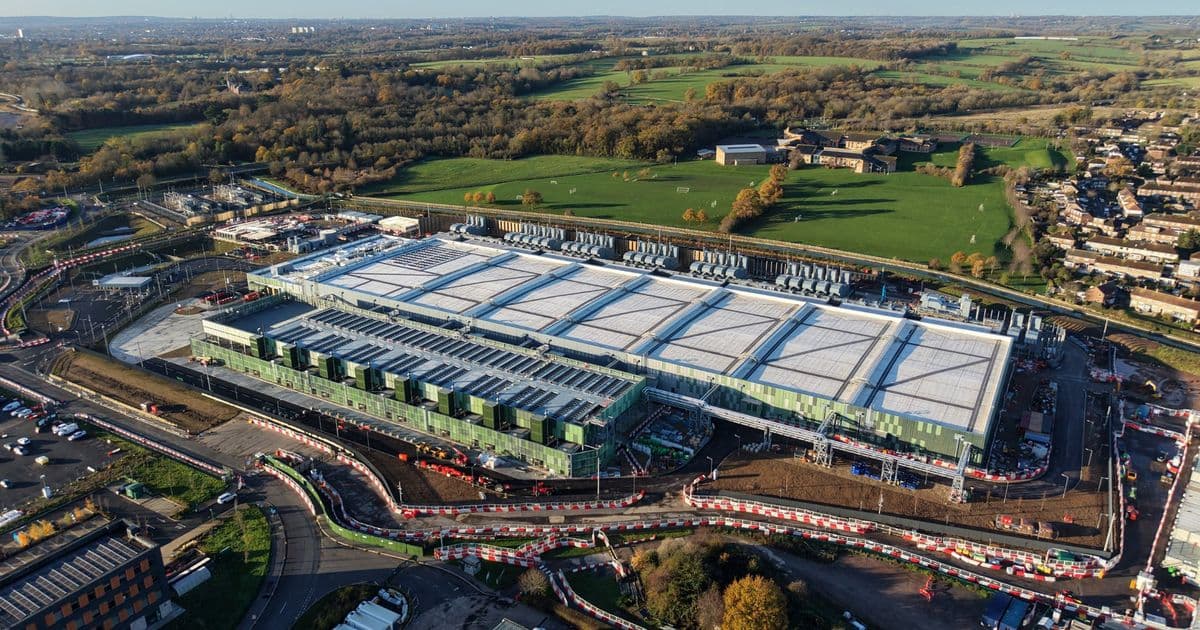
The Lombardy regional council voted to levy a 100 % tax on data‑center projects in rural land and a 200 % tax in protected agricultural zones. The measure aims to curb unchecked hyperscaler expansion, protect farmland, and steer developers toward disused industrial areas while limiting power‑grid strain.
Announcement
Lombardy’s regional council approved a tiered tax regime that doubles the fiscal burden on data‑center projects sited in agricultural and green zones and imposes a full‑rate tax on any development in rural land. The legislation, published in the Il Sole 24 Ore on 24 May 2026, targets hyperscalers that have been buying large tracts of countryside for AI‑driven compute farms.
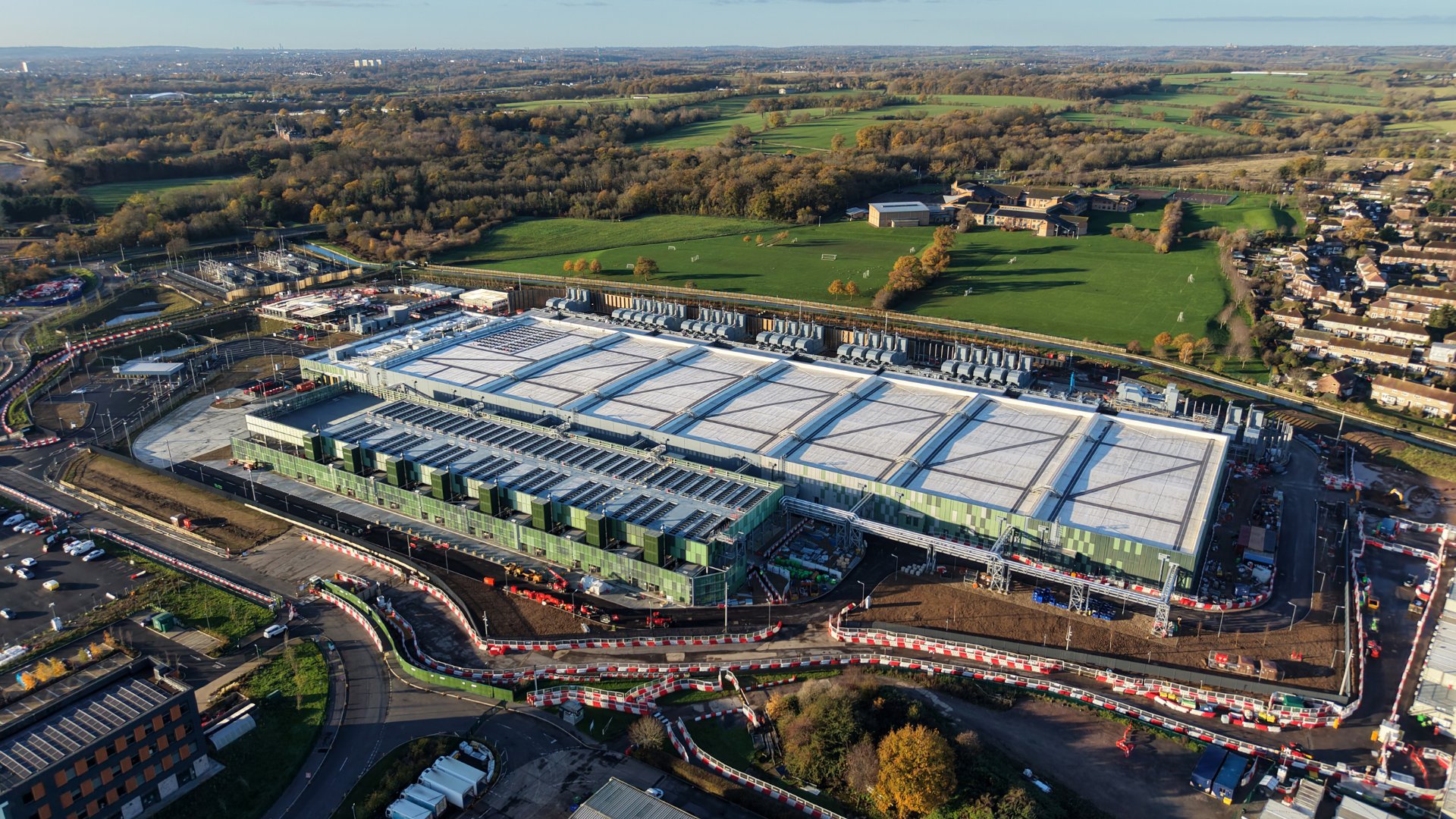 Image credit: Getty Images
Technical specs and policy mechanics
| Zone | Tax rate | Rationale |
|---|---|---|
| Rural (non‑agricultural) | 100 % of the standard regional tax | Discourages low‑density siting that bypasses urban planning controls |
| Agricultural / protected green | 200 % of the standard regional tax | Protects food‑production land and biodiversity corridors |
| Re‑purposed industrial sites | 0 % (tax exemption) | Incentivises use of existing infrastructure, power feeds, and cooling water loops |
The tax is calculated on the assessed value of the land parcel plus the projected capital expenditure for the facility. For a typical 5 MW tier‑3 data center on a 2‑hectare plot in the Po Valley, the baseline regional tax would be €1.2 million over a 10‑year horizon. Under the new regime, the same project in an agricultural zone would face €2.4 million, effectively rendering the business case unattractive unless the developer can secure a comparable site in a former factory complex.
Power‑grid implications
Lombardy currently hosts 33 operational data centers, with 10 under construction and 23 pending permits. Collectively they consume roughly 2 GW of electricity, while the regional utility forecasts a peak demand of 30 GW for AI workloads across Italy. The council has capped new approvals at 2 GW of “real and concrete” projects until the grid can guarantee renewable‑sourced capacity. The tax structure therefore acts as a de‑facto demand‑side management tool, nudging developers toward sites that already have high‑voltage connections and waste‑heat recovery loops.
Cooling and water considerations
Former industrial parks often retain chilled‑water distribution networks and concrete‑floor thermal mass, which can cut cooling‑system CAPEX by 30‑40 % compared with green‑field builds that must install ad‑hoc cooling towers. The tax exemption for these zones reflects a quantitative assessment that such retrofits reduce overall energy intensity by up to 0.15 kWh per compute‑hour, a figure that aligns with Italy’s 2030 carbon‑reduction targets.
Market implications
- Shift in site selection – Early indications from real‑estate brokers show a 45 % increase in inquiries for disused factories in the Milan metropolitan area since the bill’s introduction. Developers are re‑evaluating land‑cost models; a 2‑hectare former textile mill now commands €3 M versus €0.8 M for comparable countryside plots, but the tax differential more than offsets the price gap.
- Impact on hyperscaler expansion – Companies such as Google, Microsoft, and Amazon have publicly flagged Lombardy as a priority for AI compute capacity. The 200 % tax raises the levelized cost of compute (LCOC) for a new 10 MW pod by roughly €0.02/kWh, which could shift capacity planning toward existing European hubs in Frankfurt or Paris where fiscal regimes remain neutral.
- Supply‑chain ripple effects – Equipment vendors (e.g., Dell, HPE, Supermicro) that previously priced bulk server orders based on low‑cost land assumptions will need to factor higher site‑development fees into their quotes. This may compress margins for system integrators unless they can capture value from the energy‑efficiency gains of industrial‑site retrofits.
- Regulatory precedent – Lombardy’s approach mirrors recent zoning restrictions in Texas’ Williamson County, where a 150 % surcharge on AI‑related compute farms was enacted to protect agricultural heritage. If the Lombardy model proves effective, it could inspire a coordinated EU framework that balances AI compute growth with land‑use sustainability.
- Community response – While Italian public opinion on data‑center proximity is less vocal than in the United States, local municipalities have begun to demand impact‑assessment reports that quantify noise, electromagnetic fields, and water usage. The tax policy gives councils a lever to negotiate additional mitigation measures, such as community‑shared renewable projects.
Outlook
If the tax successfully redirects at least 60 % of pending applications to reclaimed industrial sites within the next 18 months, Lombardy could achieve a net reduction of 0.9 GW in new green‑field power draw while still accommodating the region’s target of 2 GW of “real” AI compute capacity. The policy’s effectiveness will hinge on the speed of grid upgrades and the availability of retrofittable cooling infrastructure. Analysts will be watching the upcoming quarterly reports from regional power operators for early signals of load‑shifting.
For further reading on European data‑center zoning policies, see the European Commission’s “Sustainable Data‑Center Infrastructure” whitepaper (2025) and the IEEE Spectrum analysis of AI‑compute power demand (2024).
Comments
Please log in or register to join the discussion