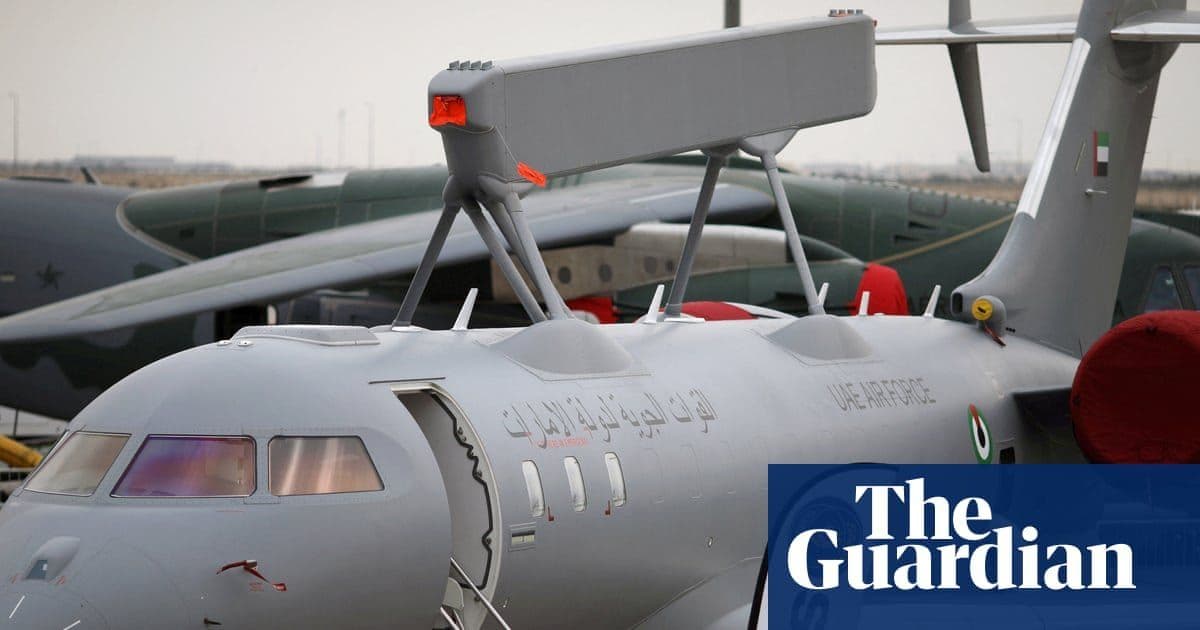
Canada has announced a multi‑year deal to acquire Saab’s GlobalEye airborne early‑warning aircraft, marking a notable pivot from traditional U.S. suppliers. The move reflects growing Arctic security concerns, but raises questions about interoperability, cost, and geopolitical balance.
A New Direction in Canada’s Air‑Sentinel Strategy
Canada’s defence ministry confirmed that it will purchase a fleet of Saab GlobalEye aircraft to bolster surveillance over its Arctic domain. The decision, announced by Finance Minister Mark Carney, represents the first major acquisition of a non‑U.S. airborne early‑warning system for the Canadian Forces.
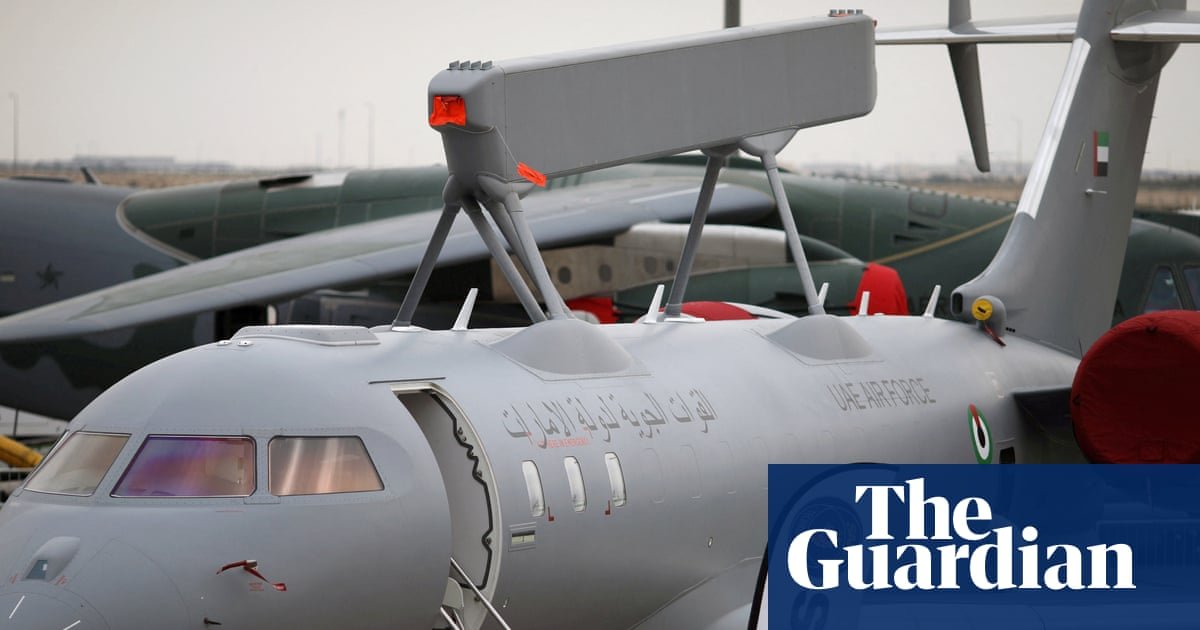
The GlobalEye combines Saab’s Erieye radar with a suite of electro‑optical sensors, offering 360‑degree coverage up to 500 km. Its twin‑engine platform can stay aloft for over 12 hours, a capability that aligns with Canada’s need to monitor a vast, sparsely populated region where Russian activity has been increasing.
Evidence of a Growing Arctic Focus
Policy Momentum – The 2023 Arctic Sovereignty Strategy highlighted gaps in persistent ISR (Intelligence, Surveillance, Reconnaissance). The GlobalEye contract directly addresses the “continuous monitoring” pillar of that document.
Budget Allocation – The defence budget earmarked CAD 1.2 billion for next‑generation ISR, of which roughly 30 % is now tied to the Saab deal. This signals a concrete financial commitment rather than a symbolic gesture.
Industry Reaction – Saab’s stock rose 4 % on the news, while U.S. competitors such as Northrop Grumman and Raytheon posted modest declines, suggesting market participants see the purchase as a shift in procurement preferences.
Allied Coordination – NATO’s Enhanced Forward Presence in the High North has been urging member states to share radar data. The GlobalEye’s data‑link architecture is compatible with NATO’s Link‑16 and MIDS‑JTR standards, easing concerns about interoperability.
Counter‑Perspectives and Potential Friction
Interoperability Concerns
While the GlobalEye can speak the NATO language, many of Canada’s existing AWACS and radar assets are built around U.S. platforms (e.g., E‑3 Sentry, Boeing’s P‑8 Poseidon). Integrating a Swedish system may require additional software adapters and training pipelines, potentially inflating lifecycle costs.
Cost vs. Capability Debate
Analysts at the Canadian International Council note that the per‑aircraft price—estimated at CAD 250 million—exceeds the cost of a comparable U.S. solution by roughly 15 %. Proponents argue the superior sensor suite and longer endurance justify the premium, but critics warn that the higher price tag could crowd out other modernization projects, such as next‑gen fighter upgrades.
Geopolitical Implications
Canada’s historic defence relationship with the United States is anchored in the NORAD partnership. Shifting a high‑visibility procurement to a European supplier may be read by Washington as a subtle diversification of strategic dependencies. Some U.S. officials have privately expressed concern that the move could set a precedent for other allies seeking alternatives to American hardware.
Domestic Industry Impact
The contract includes a requirement for Canadian‑based sustainment and integration work, which could stimulate local aerospace firms. However, skeptics point out that much of the high‑value engineering will still reside in Sweden, limiting the technology transfer benefits for Canada’s own defence sector.
What This Means for the Broader Defence Market
The GlobalEye purchase could encourage other NATO members to reassess their early‑warning architectures, especially those operating in remote or harsh environments. Europe’s defence exporters may see renewed interest as the U.S. faces budget pressures and supply‑chain bottlenecks.
At the same time, the decision underscores a growing willingness among traditional U.S. allies to balance supplier relationships rather than rely exclusively on American platforms. Whether this trend will lead to a more diversified global defence market or simply create parallel procurement tracks remains to be seen.
Looking Ahead
Canada plans to receive its first GlobalEye aircraft by 2028, with full operational capability targeted for the early 2030s. In the interim, the RCAF will continue to operate its existing radar network while integrating the new system’s data streams.
Stakeholders will be watching three key indicators:
- Integration success – How smoothly the GlobalEye data feeds into NORAD’s command structure.
- Cost trajectory – Whether the program stays within the allocated budget or triggers overruns.
- Strategic signaling – How the United States and other allies respond to Canada’s procurement choice.
The outcome will shape not only Canada’s Arctic posture but also the evolving calculus of defence procurement in an era where supply‑chain resilience and technological independence are increasingly prized.
For more details on the GlobalEye platform, see the official Saab product page and the recent defence ministry press release.
Comments
Please log in or register to join the discussion