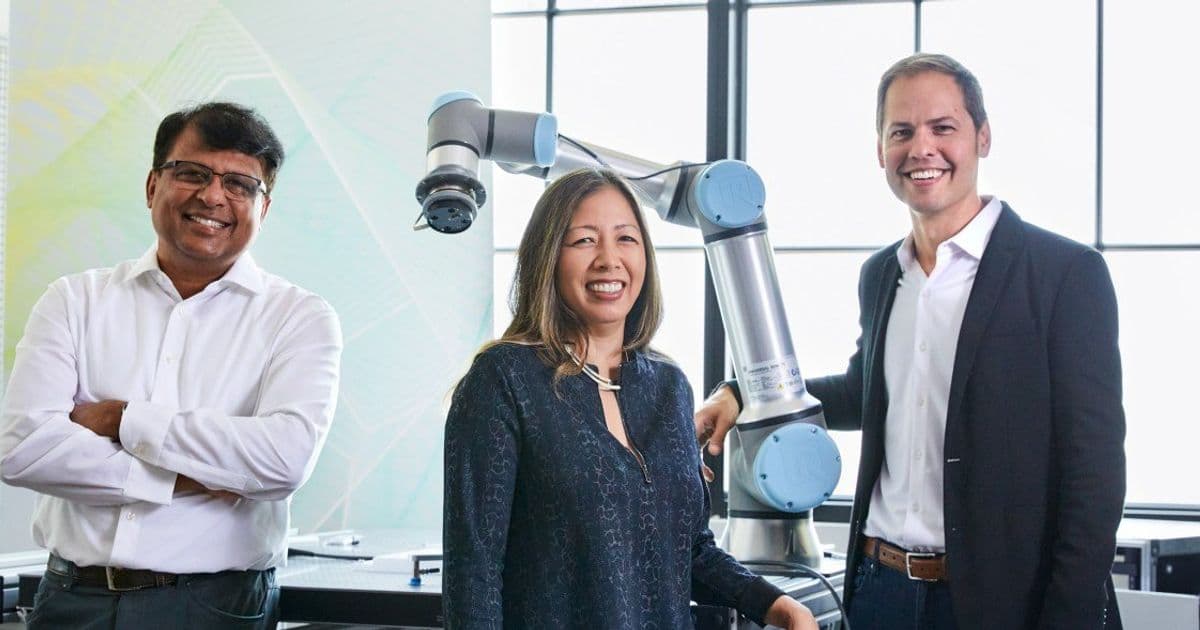
Google is acquiring robotics software platform Intrinsic to strengthen its physical AI capabilities, while the company will remain a distinct entity working with Google DeepMind.
Google is making a significant move into physical AI by bringing robotics software platform Intrinsic under its corporate umbrella, according to a report from TechCrunch. The acquisition represents Google's latest effort to expand its capabilities in the rapidly evolving field of robotics and artificial intelligence.
The deal, which was announced on February 25, 2026, will see Intrinsic join Google while maintaining its status as a distinct entity. This structure suggests that Google intends to preserve Intrinsic's specialized expertise and operational independence while leveraging its technology and talent across the broader organization.
Intrinsic has been developing AI models and software specifically designed for industrial robots. The company's focus on creating intelligent systems that can control and optimize robotic operations positions it as a valuable asset in Google's push toward more sophisticated physical AI applications. Industrial robotics represents a significant market opportunity, with applications ranging from manufacturing and logistics to healthcare and beyond.
One of the most notable aspects of this acquisition is Intrinsic's planned collaboration with Google DeepMind. DeepMind, Google's AI research division known for groundbreaking work in areas like game-playing AI and protein folding, will partner with Intrinsic on various projects. This collaboration could accelerate the development of more advanced robotics systems that combine DeepMind's cutting-edge AI research with Intrinsic's practical robotics expertise.
The decision to keep Intrinsic as a separate entity while integrating it into Google's ecosystem reflects a strategic approach to acquisitions in the AI and robotics space. Rather than fully absorbing the company, Google appears to be creating a structure that allows Intrinsic to maintain its specialized focus while benefiting from Google's vast resources, infrastructure, and research capabilities.
This move comes at a time when major tech companies are increasingly investing in physical AI and robotics. The convergence of advanced AI models with physical systems represents one of the most promising frontiers in technology, with potential applications across numerous industries. By acquiring Intrinsic, Google is positioning itself to compete more effectively in this space against other tech giants and specialized robotics companies.
The acquisition also highlights the growing importance of industrial robotics in the broader AI ecosystem. As AI models become more sophisticated, their application to physical systems like robots opens up new possibilities for automation, efficiency, and innovation in manufacturing, logistics, and other sectors. Intrinsic's expertise in this area could prove valuable as Google explores new applications for its AI technology.
While specific financial terms of the deal were not disclosed in the initial report, the acquisition underscores Google's commitment to expanding its presence in the physical AI space. The company has been making various moves in this direction, including investments in robotics research and development, and this acquisition represents a significant step forward in those efforts.
The timing of this announcement is particularly interesting given the broader context of AI development and deployment. As companies race to develop more advanced AI systems, the ability to apply these technologies to physical systems represents a key differentiator. Google's acquisition of Intrinsic suggests that the company sees significant potential in combining its AI expertise with specialized robotics capabilities.
For the robotics industry, this acquisition could signal increased consolidation as larger tech companies seek to acquire specialized expertise in areas like industrial robotics. It may also accelerate the development of more sophisticated robotic systems that can leverage advanced AI models for improved performance and capabilities.
The collaboration between Intrinsic and Google DeepMind is particularly noteworthy, as it brings together two different but complementary areas of expertise. DeepMind's work on AI models that can learn and adapt could enhance Intrinsic's robotics software, potentially leading to more capable and intelligent robotic systems.
As the field of physical AI continues to evolve, this acquisition positions Google to be a significant player in the development of next-generation robotics systems. The combination of Intrinsic's specialized expertise in industrial robotics with Google's vast resources and AI capabilities could lead to innovations that transform how robots are used across various industries.
The retention of Intrinsic as a distinct entity while integrating it into Google's ecosystem represents a nuanced approach to corporate acquisitions. This structure allows for the preservation of specialized expertise while enabling collaboration and resource sharing that could accelerate innovation in the field of physical AI and robotics.
Looking ahead, the success of this acquisition will likely depend on how effectively Google can integrate Intrinsic's capabilities while preserving its innovative culture and technical expertise. The collaboration with DeepMind could prove particularly valuable in developing new applications for AI in robotics, potentially leading to breakthroughs in areas like autonomous systems, industrial automation, and beyond.
This acquisition is part of a broader trend of tech companies investing heavily in AI and robotics as they seek to maintain competitive advantages in an increasingly technology-driven economy. As these technologies continue to advance, the ability to effectively combine AI models with physical systems will likely become increasingly important across numerous industries and applications.
Comments
Please log in or register to join the discussion