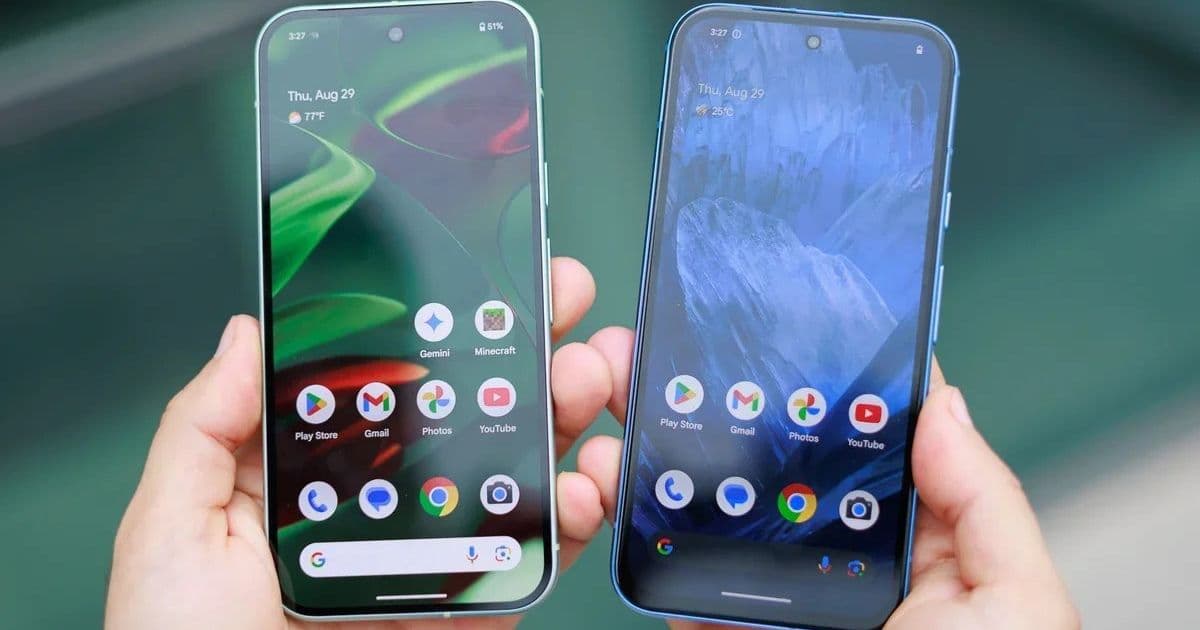
Google Messages users in Pakistan, Bangladesh, Kenya, and elsewhere report losing RCS functionality as Google transitions support responsibility to carriers. This abrupt shift leaves users stranded where carriers don't support the protocol, undermining Google's push for modern messaging standards.
Google Messages, the default messaging app on Android, is failing its core function for thousands of users worldwide following a quiet but significant architectural shift. Reports from Pakistan, Bangladesh, Kenya, and even parts of the US confirm that Rich Communication Services (RCS) — the modern messaging protocol championed by Google as an SMS/MMS successor — has stopped working. The culprit? Google has deactivated its Jibe cloud platform's RCS provisioning in these regions, transferring full responsibility to wireless carriers.
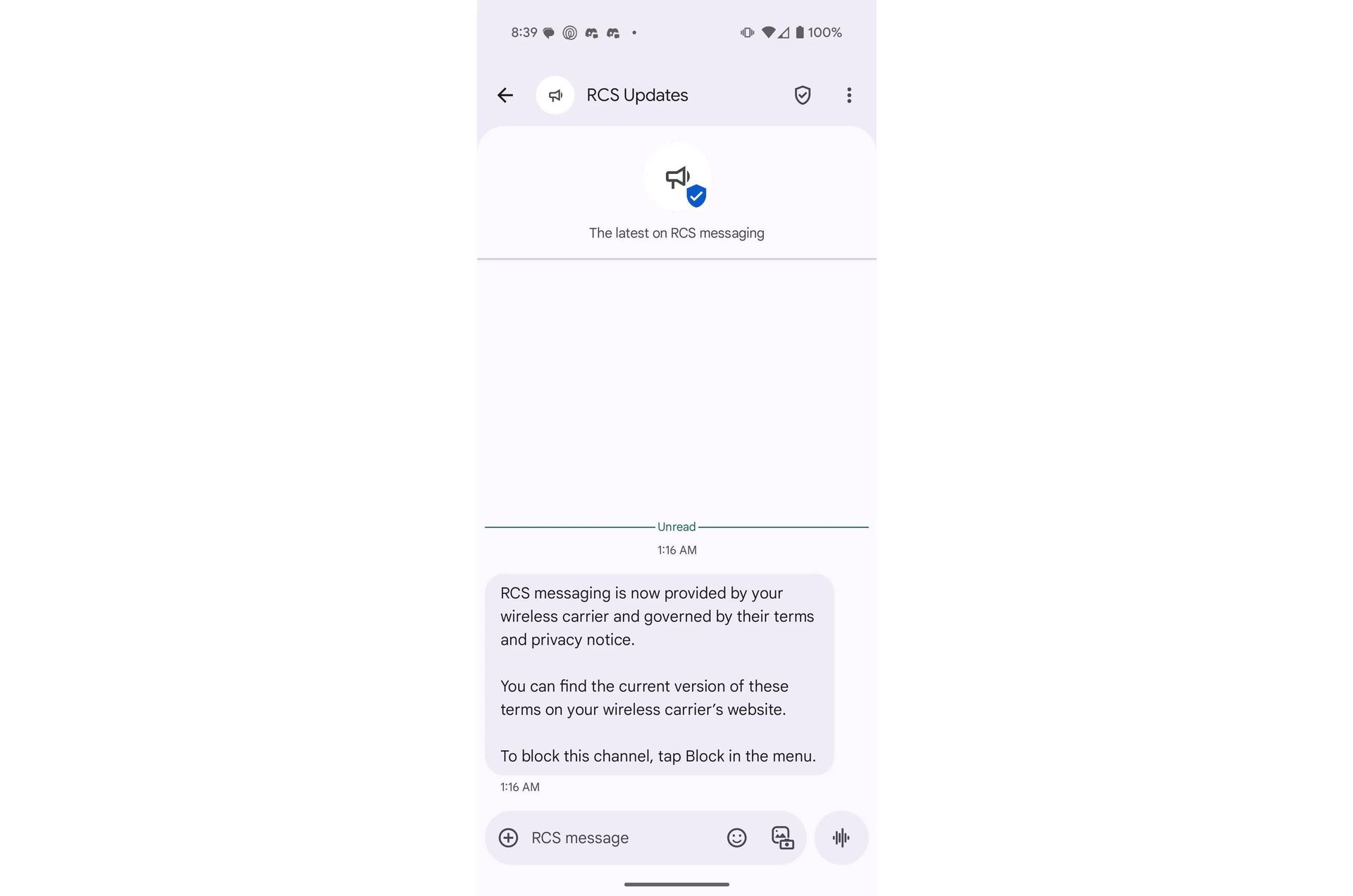
"Users are receiving 'carrier not supported' errors after a recent Messages update," notes a Google Product Expert thread analyzed by Android Authority. "Resolution now depends entirely on carriers enabling RCS on their networks."
This transition exposes critical flaws in the fragmented RCS ecosystem:
- Carrier Reliance: Many carriers, especially in emerging markets, lack RCS infrastructure or commercial incentive to support it
- Blame Game: Affected users report carriers redirecting complaints to Google, creating support limbo
- Google's Contradiction: The move contradicts Google's aggressive RCS advocacy, including its pressure on Apple to adopt the protocol
Technical analysis reveals RCS operates via two paths: Google's Jibe cloud or carrier-specific Universal Profile servers. By withdrawing Jibe, Google forces carriers to fill the gap—a gap many won't or can't bridge. The timing is particularly damaging given Google's impending RCS integration with Apple's iMessage, raising questions about its commitment to a unified cross-platform standard.
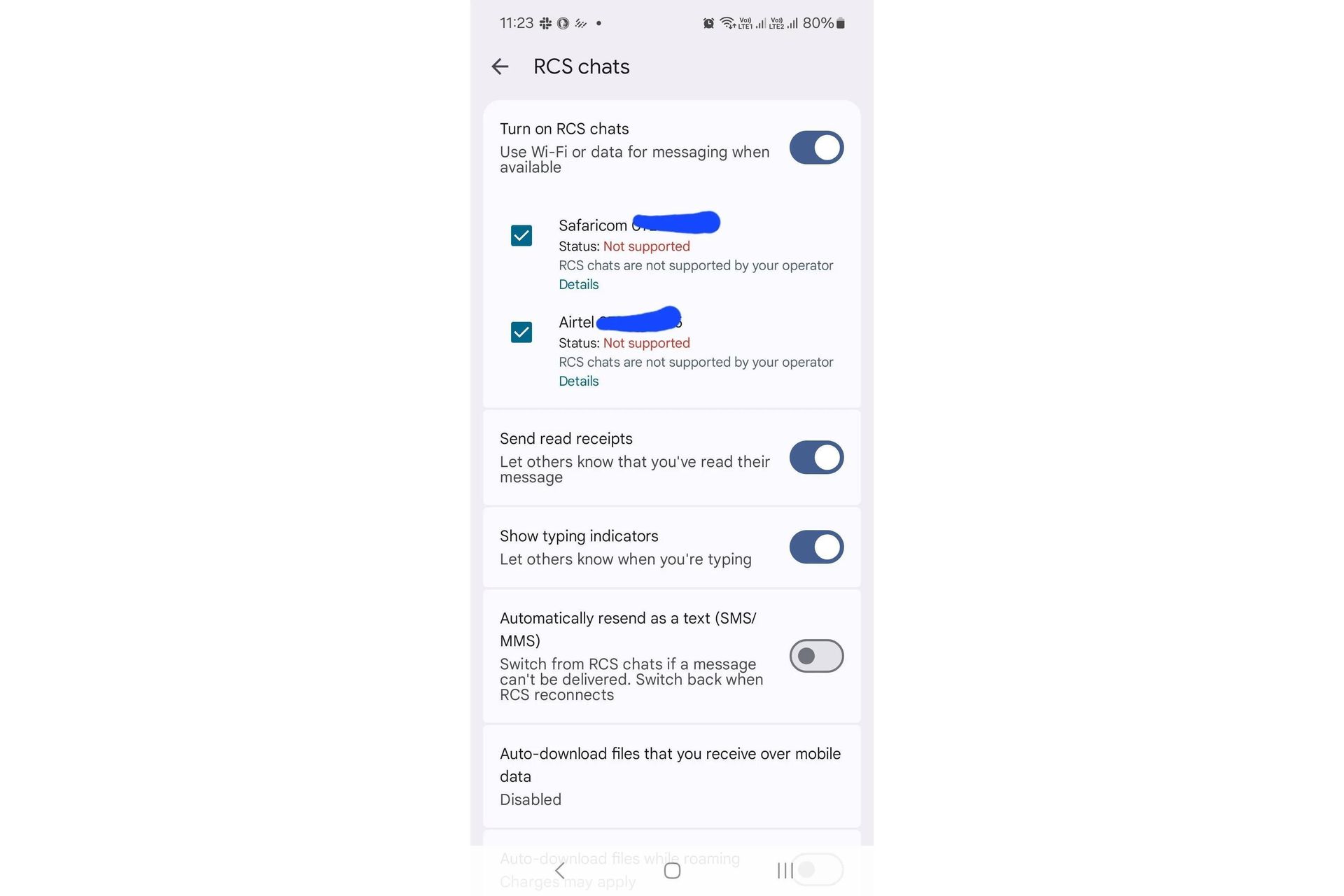
Developers and enterprises relying on RCS APIs for business messaging face new integration uncertainties. For consumers, the regression to SMS/MMS means losing:
- End-to-end encryption
- Read receipts
- High-res media sharing
- Typing indicators
Google's silence on transition timelines or carrier partnerships suggests this is a strategic retreat, not a temporary glitch. As messaging becomes increasingly vital to digital identity and security, this hands-off approach risks fragmenting Android's core communication experience—precisely what RCS was meant to solve.
Comments
Please log in or register to join the discussion