
Rumored upgrades like a dedicated telephoto lens and Tensor G5 chip narrow the gap between Google's standard Pixel 10 and Pro models, offering compelling value at $799. With enhanced AI capabilities and thoughtful design tweaks, it challenges the need for premium variants—a pivotal shift for Android enthusiasts.
Google Pixel 10: The Underdog That Could Redefine Android Value
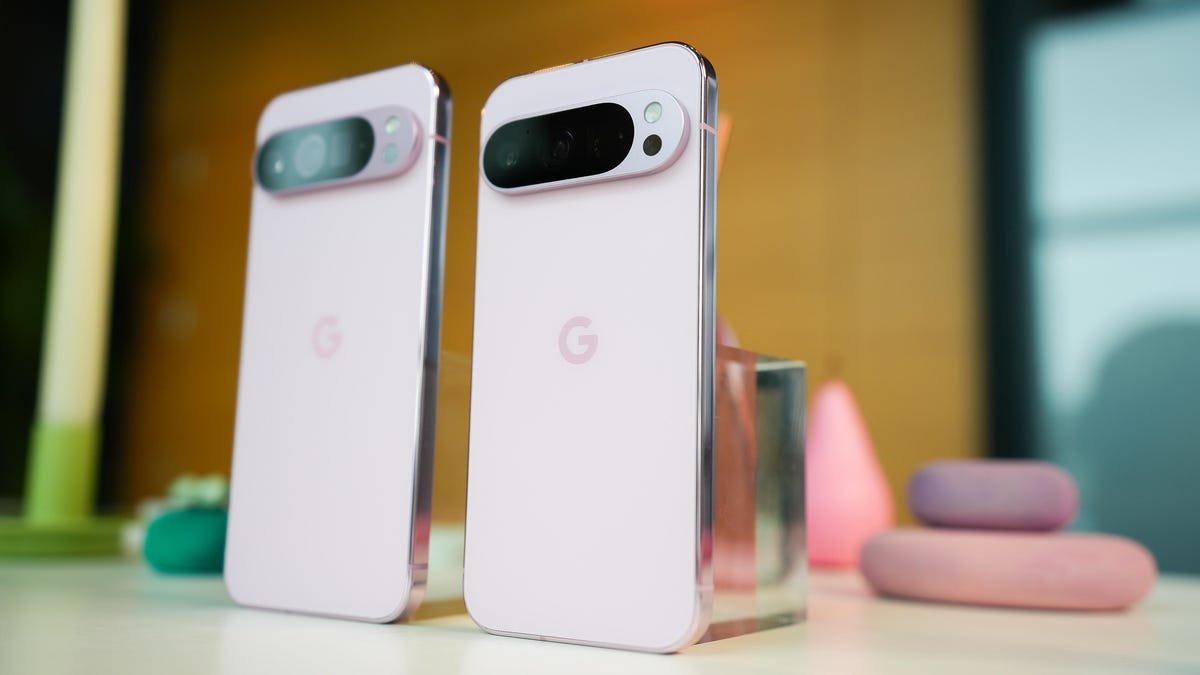
For years, Google’s non-Pro Pixel phones have been the 'safe' recommendation—competent but lacking the cutting-edge extras of their Pro siblings. Yet, leaks ahead of the August 20 Made by Google event suggest a seismic shift: the Pixel 10 might not just be safe, but strategically superior for most users. As a managing editor who’s tested countless devices, I see this as Google finally democratizing high-end features without the Pro price tag. Here’s why the Pixel 10 could dominate 2025’s mid-tier market—and what it means for developers and consumers alike.
The Telephoto Tipping Point

Kerry Wan/ZDNET
The standout upgrade? A dedicated telephoto lens, rumored for the base Pixel 10—a first for Google’s standard lineup. This isn’t just about snapping clearer shots of distant subjects; it’s a functional leap for everyday users, from parents capturing kids’ soccer games to concertgoers preserving memories. Early renders hint at a triple-camera array (main, ultrawide, telephoto), likely borrowed from the Pixel 9 Pro Fold. But there’s a trade-off: whispers point to the main and ultrawide sensors mirroring the Pixel 9a’s 48MP setup, a slight step down from last year’s Pixel 9. While photography purists may still lean toward the Pro, this compromise makes optical zoom accessible at $799, signaling Google’s push toward feature parity over spec wars.
Tensor G5: AI’s Silent Revolution
Under the hood, both Pixel 10 and Pro models will reportedly share the Tensor G5 chip—Google’s first 3nm processor, manufactured by TSMC instead of Samsung. This isn’t about beating Snapdragon in benchmarks; it’s about efficiency and AI democratization. Past Tensor chips struggled with heat and cellular reliability, but TSMC’s pedigree could finally deliver stable performance for on-device AI tasks. Developers should note: this means the base model will support Gemini-powered tools like Circle to Search and enhanced call screening, ensuring longer software relevance. As Google prioritizes AI integration over raw power, the Pixel 10 becomes a testbed for scalable machine learning—critical for app builders targeting mainstream Android users.
Design and Value: Where the Pixel 10 Shines
Beyond specs, the Pixel 10’s allure lies in thoughtful refinements. Leaked renders suggest matte-finished side rails (versus the Pro’s glossy ones), which resist fingerprints—a small but impactful win for daily usability. Add Qi2 magnetic wireless charging and a vibrant Indigo blue colorway, and the device feels tailored for real-world appeal. At an expected $799, it undercuts rivals like the iPhone 16 while offering near-Pro features. For developers, this accessibility matters: a unified Tensor G5 ecosystem means apps leveraging Google’s AI APIs can reach wider audiences without fragmenting for Pro-exclusive hardware.
The Bigger Picture: A Win for Pragmatism
Google’s strategy here is clear: by elevating the base model, they’re courting the savvy majority who want premium experiences without Pro premiums. It’s a nod to sustainability—fewer device tiers, longer update support—and a challenge to Samsung’s Ultra-focused hierarchy. As the August 20 launch nears, watch how this reshuffles Android’s mid-range expectations. For now, the Pixel 10 stands as proof that sometimes, the 'safe' pick is secretly the smartest.
Source: ZDNET (Kerry Wan, Managing Editor)
Comments
Please log in or register to join the discussion