
Google's partnership with Agua Segura and Agrow Analytics implements AI-powered precision agriculture across 1,000+ hectares, reducing water consumption by 158 million gallons while improving agricultural efficiency and ecosystem health.
In a significant development for sustainable agriculture and water resource management, Google has announced a collaborative initiative with Agua Segura and Agrow Analytics to implement AI-powered precision agriculture across more than 1,000 hectares of farmland in Belgium's Scheldt Basin. This strategic deployment addresses critical water quality and availability challenges in one of Europe's vital river networks while demonstrating how cloud computing and artificial intelligence can transform traditional farming practices.
The Scheldt Basin represents a complex hydrological system supporting both agricultural activities and natural ecosystems. With increasing climate variability and growing demands on water resources, farmers in the region have faced persistent challenges in optimizing irrigation while maintaining environmental sustainability. Google's intervention introduces a sophisticated technological approach that balances agricultural productivity with water conservation.
Technological Foundation
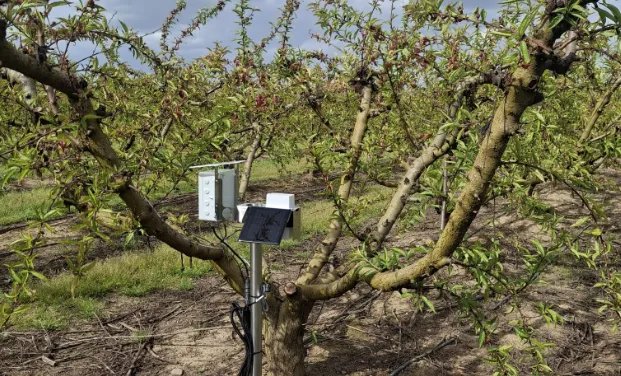
At the core of this initiative lies Agrow Analytics' advanced technology platform, which integrates multiple data streams to provide farmers with actionable insights. The platform processes climate data, water availability metrics, and soil composition information gathered from satellite imagery and thermal sensors. This comprehensive data analysis enables the system to generate precise irrigation and fertilization recommendations tailored to specific conditions across different sections of farmland.
The AI algorithms analyze historical patterns and real-time conditions to predict optimal watering schedules and fertilizer application amounts. This approach contrasts sharply with traditional irrigation methods that often rely on generalized schedules or manual observation, leading to significant water waste and potential environmental contamination from excess fertilizer runoff.
Implementation and Scale
The current deployment spans over 1,000 hectares, representing a substantial scaling of Agrow's technology from previous smaller implementations. Google's involvement extends beyond mere financial support, providing the computational infrastructure necessary to process the vast amounts of data generated by the system. The cloud-based architecture allows for real-time analysis across the entire agricultural area while maintaining data privacy and security for participating farmers.
The initiative aims to achieve measurable impact by reducing annual irrigation demand by approximately 158 million gallons (600,000 cubic meters) while simultaneously decreasing fertilizer usage. These reductions translate directly into improved water quality in the Scheldt Basin through decreased agricultural runoff, benefiting both local ecosystems and downstream communities.
Comparative Analysis
When compared to conventional agricultural approaches, this AI-powered precision agriculture demonstrates clear advantages. Traditional irrigation methods often achieve efficiency rates of 50-70%, meaning 30-50% of applied water never reaches the intended crops. Agrow's system targets efficiency rates exceeding 90%, representing a fundamental improvement in resource utilization.
The initiative also contrasts with other precision agriculture solutions that focus primarily on yield optimization rather than resource conservation. While yield improvement remains a beneficial outcome, the primary emphasis here addresses the water quality and availability challenges specific to the Scheldt Basin. This targeted approach demonstrates how technology solutions must be customized to address regional environmental contexts rather than applied generically.
Business Impact
For participating farmers, the initiative offers immediate operational benefits through reduced water and fertilizer costs. The precision recommendations eliminate waste while maintaining or improving crop yields, creating a compelling economic case for adoption. The system's learning capability means that recommendations improve over time as more data is collected and analyzed, creating a continuous improvement cycle.
For Google, this initiative represents an extension of its broader sustainability strategy, particularly concerning water stewardship around its data center operations. The company has increasingly emphasized responsible water management as a critical component of its environmental commitments. By supporting agricultural efficiency in regions where data centers operate, Google addresses both community needs and operational requirements simultaneously.
The project also demonstrates how cloud providers can leverage their technological expertise to address non-technical challenges. Rather than focusing solely on infrastructure services, Google applies its AI and data processing capabilities to solve complex environmental problems, expanding the scope of corporate social responsibility initiatives.
Future Implications
This initiative in Belgium serves as a potential model for similar implementations in other agricultural regions facing water challenges. The modular nature of Agrow's platform allows for scalability across different geographical areas with minimal customization required. As climate change continues to pressure water resources globally, such technological solutions may become essential components of sustainable agriculture.
The project also highlights the evolving relationship between technology companies and traditional industries. Rather than displacing agricultural knowledge, AI systems augment human expertise by providing data-driven insights that complement farmers' experience and intuition. This collaborative approach represents a more sustainable path for technological adoption than complete automation or replacement of human decision-making.
For the broader cloud computing industry, this initiative demonstrates how providers can differentiate themselves through environmental impact initiatives that align with their core competencies. As sustainability concerns increasingly influence business decisions, the ability to demonstrate measurable environmental benefits may become a competitive differentiator in the cloud services market.
Farmers and agricultural organizations interested in learning more about precision agriculture technologies can explore resources from agricultural extension services and technology providers. The success of this Belgian initiative may inspire similar approaches in other regions facing comparable water management challenges.
For additional information about Google's sustainability initiatives and water stewardship programs, visit their official environmental responsibility page. Those interested in the technical aspects of Agrow's platform can access more details through their documentation and case study resources.
Comments
Please log in or register to join the discussion