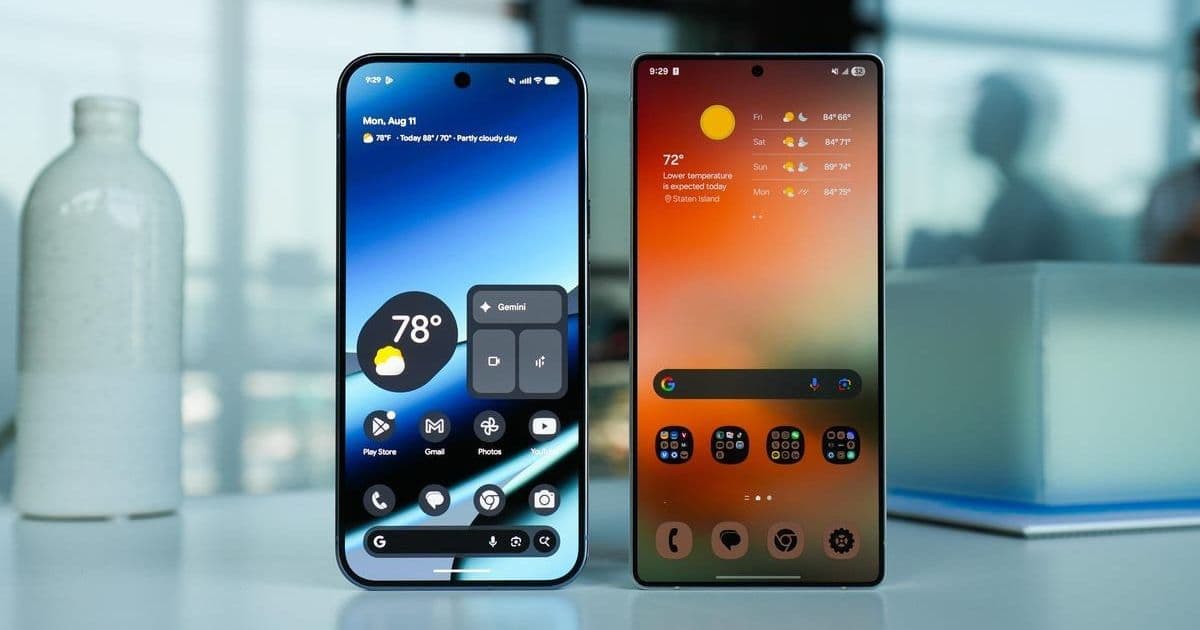
Google's September update brings significant upgrades to Android, including AI-powered writing tools in Gboard, enhanced emoji customization, and a redesigned Quick Share experience. These features emphasize on-device processing for privacy and signal new opportunities for developers in mobile ecosystems.
Google's Android Feature Drop Elevates On-Device AI and Cross-Platform Sharing
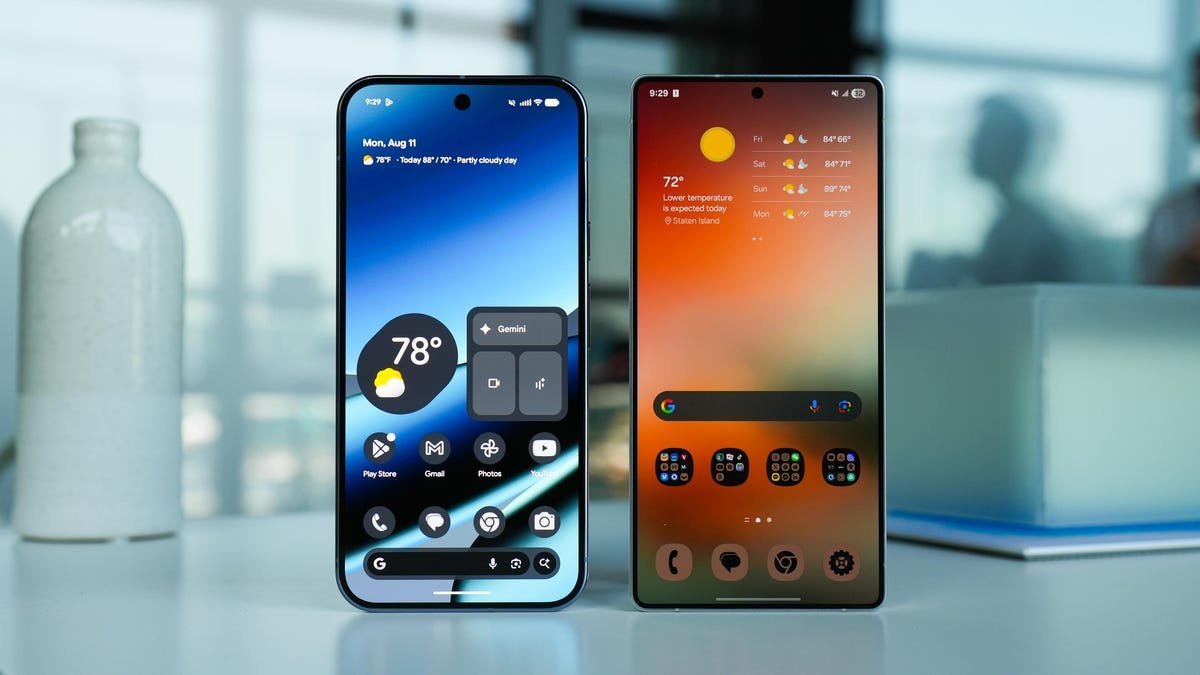
Google's latest Android update introduces three key enhancements affecting millions of devices, including Samsung models.
Google's September feature drop delivers substantial upgrades to Android's communication and sharing capabilities, with architectural choices that prioritize user privacy through on-device processing. This rollout—covering Gboard, Emoji Kitchen, and Quick Share—reflects strategic investments in areas where developers can anticipate expanded APIs and integration opportunities.
1. Gboard's On-Device AI Writing Assistant
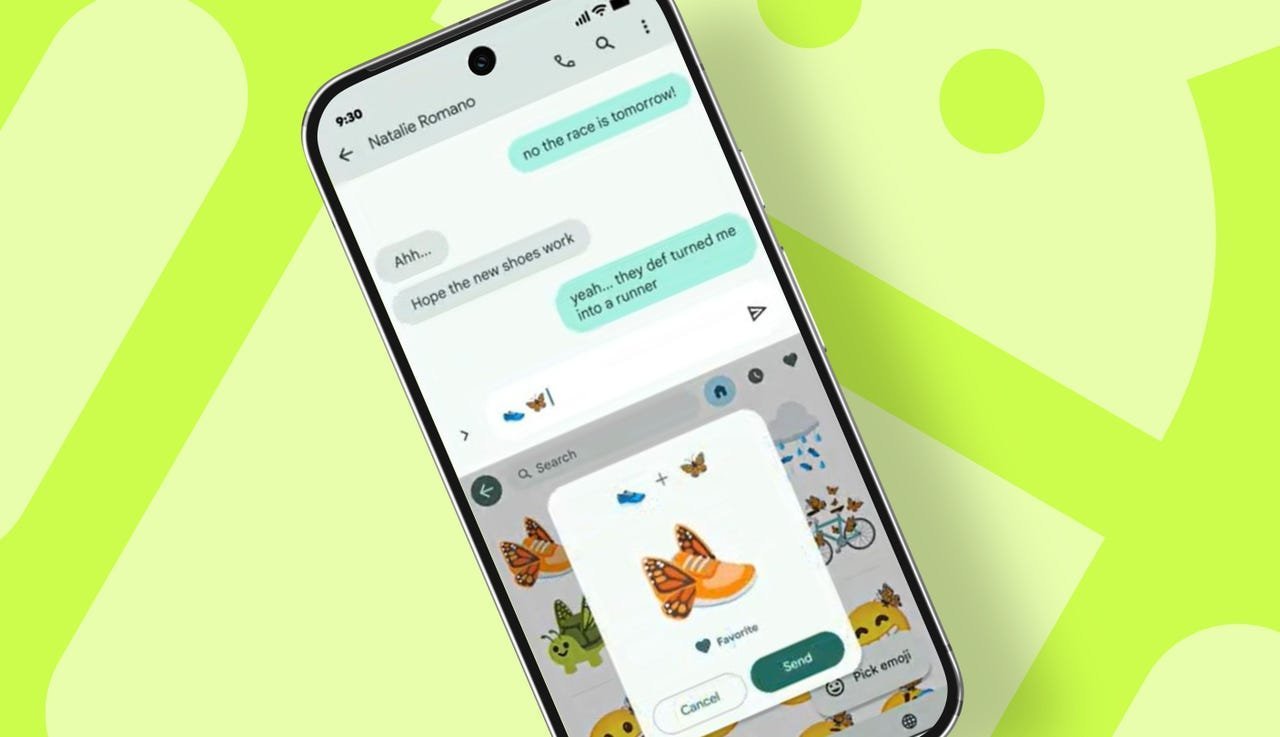
Caption: Your Android phone is getting an upgrade that might change how you communicate. (Google / Elyse Betters Picaro / ZDNET)
The headline enhancement is Gboard's new AI writing tool, which enables real-time tone adjustments (formal, expressive, concise) and grammar corrections directly within the keyboard interface. Crucially, all processing occurs locally on the device—no data leaves the phone. Google confirmed this approach eliminates cloud dependency, reducing latency while addressing growing privacy concerns around AI tools.
"Everything happens on device, meaning your data stays secure," Google emphasized in its announcement.
For developers, this demonstrates TensorFlow Lite's evolving capabilities for lightweight on-device ML. The implementation suggests Google is refining frameworks for local natural language processing—a trend likely to influence third-party keyboard and messaging app development.
2. Emoji Kitchen's Creative Remixing Engine
Emoji Kitchen now offers a browseable interface and deeper customization, allowing users to combine elements (e.g., butterfly wings + sneakers) into novel stickers. While not as advanced as Apple's generative Genmoji, it provides a sandbox for visual expression without requiring generative AI.
The expanded sticker library and remix tools hint at future Asset Delivery API extensions. Developers of social or messaging apps should note the emphasis on personalized communication—a UX pattern gaining traction across platforms.
3. Quick Share's Ecosystem Play
Quick Share's redesign introduces a split-view interface for sending/receiving files, live progress tracking, and broader device compatibility (Android, Chromebooks, Windows). More significantly, it adds:
- Multi-headphone audio sharing via Bluetooth LE
- Custom avatar creation using selfies or text prompts (early-stage on-device generative AI)
This positions Quick Share as a cross-platform rival to Apple's AirDrop, with technical foundations in Nearby Share protocols. The audio sharing feature specifically leverages Android 13's built-in LE Audio stack—an area ripe for developer experimentation.
Implications for the Android Ecosystem
These upgrades underscore Google's three-pronged strategy: enhancing core utilities with on-device AI, deepening creative tools, and expanding ecosystem interoperability. The on-device focus is particularly notable, reflecting industry-wide shifts toward privacy-preserving ML. For developers, Gboard's local processing model may preview new ML Kit capabilities, while Quick Share's evolution signals increased emphasis on cross-OS file and media APIs. As these features roll out throughout September, they lay groundwork for more decentralized, privacy-centric Android services—a direction likely to shape third-party development through 2026.
Source: ZDNET
Comments
Please log in or register to join the discussion