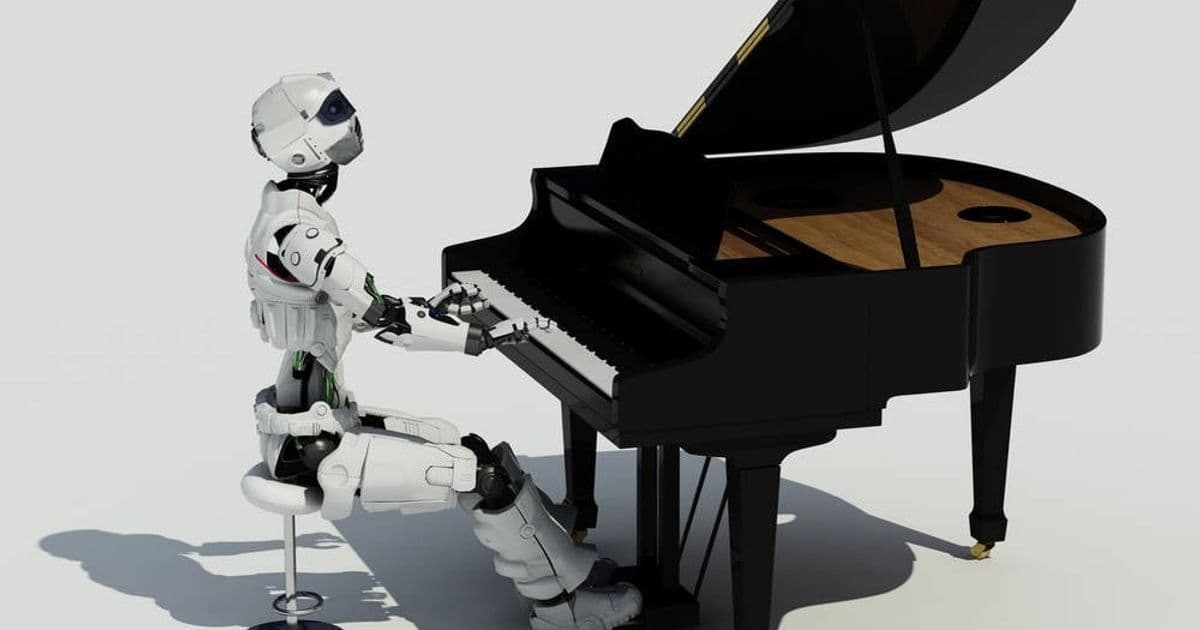
Google has integrated Lyria 3, its latest AI music generation model, directly into Gemini, allowing users to create 30-second songs from text prompts, photos, or videos. The tool generates both music and lyrics automatically, aiming to provide a new form of creative expression while navigating copyright concerns.
Google has expanded its Gemini AI platform with a surprising new feature: the ability to generate original 30-second musical compositions directly from user prompts. The company announced on Wednesday the integration of Lyria 3, the latest iteration of its music creation AI, into the Gemini Tools menu, making AI-generated music accessible to millions of users worldwide.
The new capability allows users to create songs simply by describing what they want to hear. Google provided examples in its announcement, including an R&B track about socks finding their matches in a washing machine and an afrobeat song about childhood memories of cooking plantain-based meals with one's mother. Both examples featured lyrics that were generated entirely by the AI system.
"No need to provide your own lyrics! They'll be generated for you based on your prompt," wrote senior product managers Joël Yawili (Gemini) and Myriam Hamed Torres (Google DeepMind) in the announcement. They positioned the feature as a way for users to "express yourself" through music without requiring any musical talent or inspiration.
Lyria 3 represents a significant evolution from Google's previous music AI experiments. The technology first launched in 2023 and was initially deployed in YouTube experiments like Dream Track, which allowed creators to generate 30-second soundtracks for YouTube Shorts in the style of participating artists. It was also used in Music AI Sandbox, a separate set of tools aimed at musicians looking to sketch and iterate on ideas with AI assistance.
According to Google, Lyria 3 brings several improvements over its predecessors. The model now includes automatic lyric generation, gives users more control over style, vocals, and other musical elements, and can "create more realistic and musically complex tracks." The company claims the new version produces higher-quality compositions with better musical coherence and more natural-sounding vocals.
However, the announcement comes with significant caveats. Lyria 3 currently has a 30-second limit on generated tracks, and Google has implemented various filters to prevent the system from creating content that too closely resembles existing copyrighted songs. The company acknowledges these filters might not catch everything and has asked users to report potential copyright infringements.
Google is also positioning Lyria 3 as a tool for "original expression" rather than mimicry of existing artists. "If your prompt names a specific artist, Gemini will take this as broad creative inspiration and create a track that shares a similar style or mood," the company explained. This approach appears designed to navigate the complex copyright landscape that has emerged around AI-generated content.
The training data for Lyria 3 remains somewhat opaque. While the original Lyria model used training data from licensed artists including T-Pain, Demi Lovato, and Sia, Google didn't specify which artists or rights holders contributed to Lyria 3's training. The company did emphasize that the model is "very mindful of copyright" and the agreements it has signed with musicians who contributed their intellectual property.
Lyria 3 is rolling out globally beginning February 18 for all Gemini users aged 18 and older. The feature is initially available on desktop, with mobile app access planned for the coming days. It supports multiple languages including English, German, Spanish, French, Hindi, Japanese, Korean, and Portuguese, with additional languages to be added.
The integration of music generation into Gemini represents Google's broader strategy of embedding AI capabilities across its product ecosystem. By making Lyria 3 accessible through a familiar interface, the company is lowering the barrier to entry for AI music creation, potentially democratizing music production while raising new questions about creativity, copyright, and the role of human artists in an AI-augmented creative landscape.
As with other AI-generated content, the quality and artistic merit of Lyria 3's output remains to be seen. While the technology can produce coherent musical pieces, critics might argue that algorithmically generated songs lack the emotional depth and personal expression that characterize human-created music. Nevertheless, for users looking to quickly generate background music, experiment with musical ideas, or simply have fun creating AI-generated content, Lyria 3 offers a new tool in the expanding arsenal of AI creative applications.
Comments
Please log in or register to join the discussion