Google restructures its broadband business into an independent company with private equity backing, retaining minority stake while GFiber gains operational autonomy.
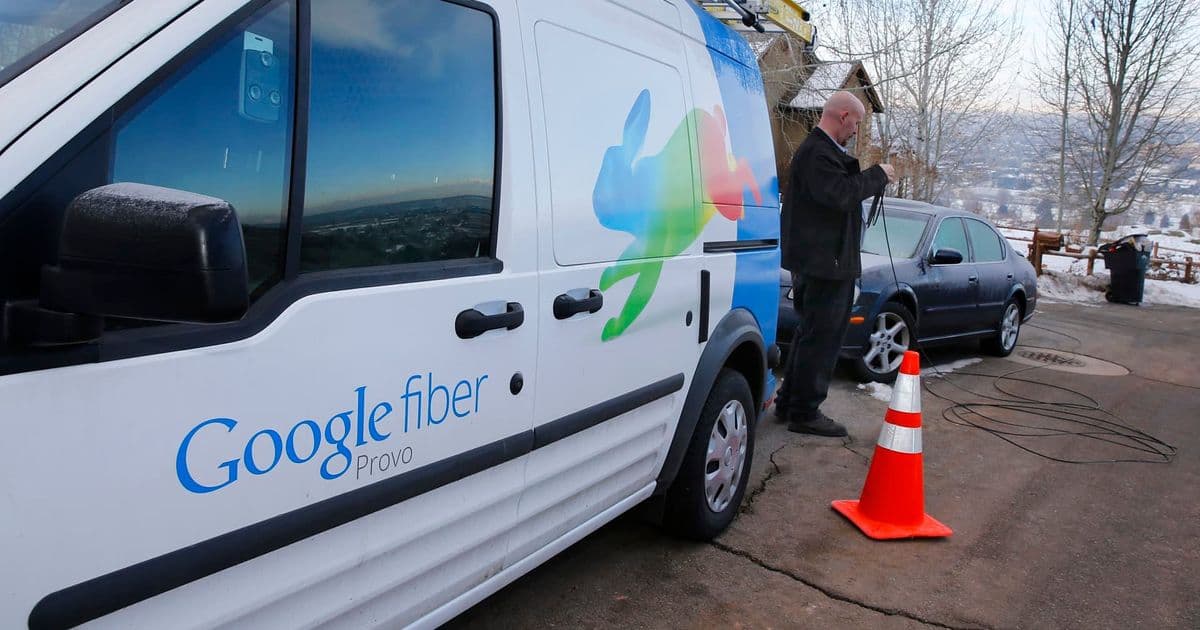
Google has restructured its broadband division, Google Fiber, into an independent company called GFiber, partnering with investment firm Stonepeak and its subsidiary Astound Broadband. The move represents a significant shift in Google's approach to its internet service business, which has operated under the Google umbrella since its launch in 2010.
The restructuring creates GFiber as a standalone entity with Google maintaining a minority ownership stake. Stonepeak and Astound Broadband will serve as the primary investors and operational partners, providing the capital and infrastructure expertise needed to scale the broadband service.
This strategic move comes as Google seeks to streamline its operations while allowing GFiber to operate with greater autonomy and flexibility. The independent structure enables GFiber to pursue growth opportunities, negotiate partnerships, and make operational decisions without the constraints of being a subsidiary of a larger tech conglomerate.
GFiber has faced challenges in expanding its footprint since its initial launch, competing against established telecom providers and dealing with the high costs of infrastructure deployment. The new partnership with Stonepeak and Astound brings experienced broadband operators into the fold, potentially accelerating expansion plans and improving service delivery.
The investment from Stonepeak signals confidence in the broadband market's growth potential, particularly as demand for high-speed internet continues to increase with remote work, streaming services, and connected devices becoming ubiquitous. Astound Broadband's involvement provides GFiber with operational expertise and existing customer relationships in the competitive broadband landscape.
For Google, the restructuring allows the company to maintain exposure to the broadband market's upside while reducing direct operational responsibilities. The minority stake structure provides Google with potential financial returns if GFiber succeeds while freeing up resources to focus on core businesses like search, cloud computing, and artificial intelligence.
The move also reflects a broader trend of tech companies spinning off or restructuring subsidiary businesses to optimize operations and capital allocation. Similar strategies have been employed by other major tech firms looking to unlock value from their diverse business portfolios.
GFiber's future strategy under the new structure remains to be seen, but industry analysts suggest the partnership could lead to accelerated expansion into new markets, improved technology deployment, and enhanced competitive positioning against traditional telecom providers.
The restructuring is expected to be completed in the coming months, with both Google and Stonepeak expressing commitment to GFiber's continued growth and success as an independent broadband provider serving residential and business customers across its existing markets.
This development marks a significant milestone in Google's evolution from a pure technology company to one with substantial physical infrastructure investments, while also demonstrating the maturing of the broadband market as it attracts private equity investment and strategic partnerships.
Comments
Please log in or register to join the discussion