Iran has proposed a strategic deal to the United States that would reopen the critical Strait of Hormuz to international shipping while delaying nuclear negotiations, potentially easing global energy markets amid rising geopolitical tensions.
Iran has offered a proposal to the United States that would see the Islamic Republic reopen the Strait of Hormuz to international oil shipping while simultaneously postponing nuclear talks, according to diplomatic sources familiar with the negotiations. The strategic offer, presented through Omani intermediaries, represents a potential thaw in relations between the two adversaries amid escalating tensions in the Middle East.
The Strait of Hormuz, a narrow waterway between Iran and Oman, serves as a critical chokepoint for global energy markets, with approximately 20% of the world's traded oil passing through this strategic waterway daily. When Iran previously threatened to block the strait in response to Western sanctions, global oil prices surged by as much as 30%, highlighting the vulnerability of energy supply chains to geopolitical disruptions.
"The Hormuz Strait represents one of the world's most critical maritime chokepoints, with approximately 21 million barrels of oil passing through daily," explained energy analyst Dr. Sarah Chen from the Global Energy Policy Institute. "Any disruption to this route would immediately impact global oil prices, potentially causing significant economic ripple effects across multiple industries."
Under the proposed deal, Iran would guarantee safe passage for commercial vessels through the strait, including oil tankers carrying crude from Saudi Arabia, Iraq, and other Gulf states to markets in Asia, Europe, and North America. In return, the United States would agree to delay nuclear negotiations for a specified period, allowing both sides to reduce immediate tensions while maintaining their respective negotiating positions.
The economic implications of such an agreement extend far beyond the immediate energy sector. Global shipping companies have already rerouted vessels around Africa's Cape of Good Hope to avoid potential conflicts in the region, adding approximately 15-20 days to transit times and increasing transportation costs by an estimated $10-15 million per supertanker voyage. A reopened Hormuz Strait could significantly reduce these costs, potentially lowering global energy prices and easing inflationary pressures in consumer markets.
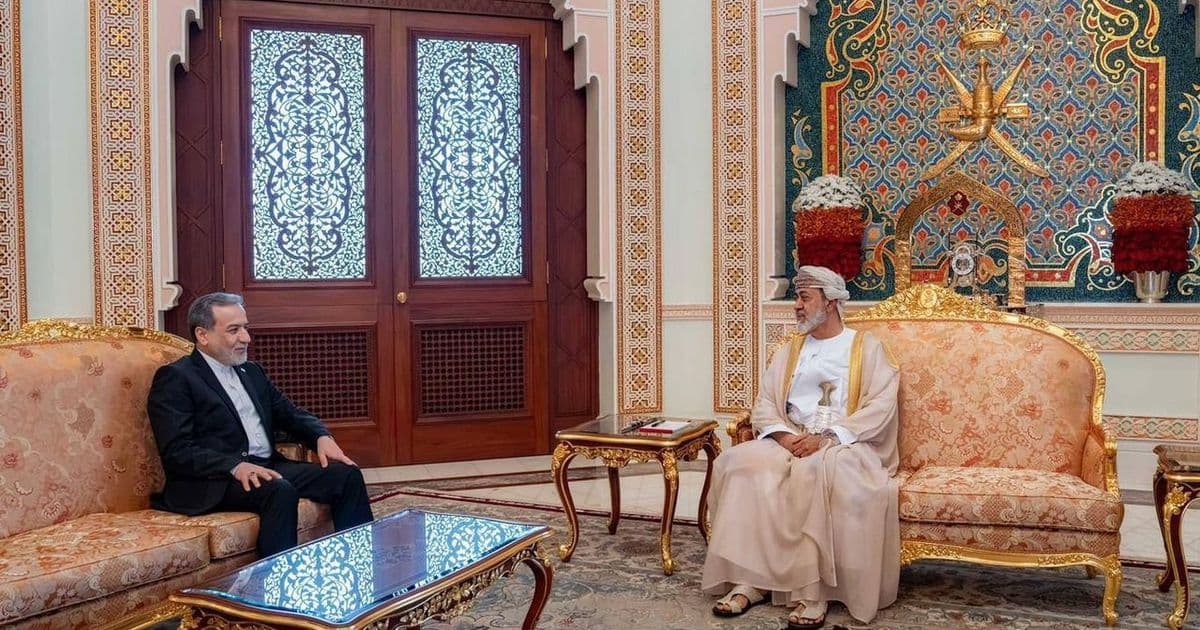
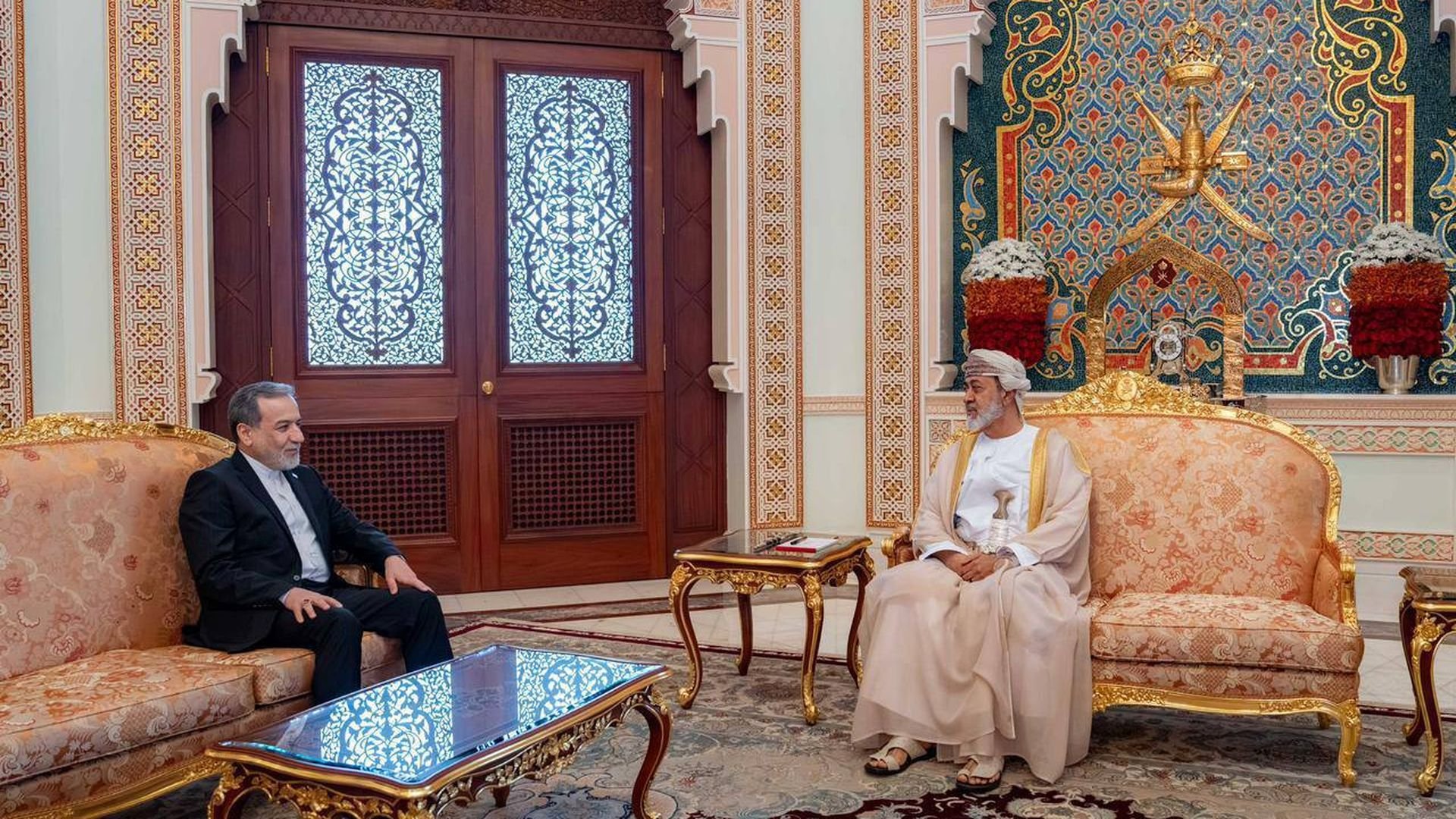 Iranian Foreign Minister Abbas Araghchi and Sultan of Oman, Haitham bin Tariq, meeting in Muscat, Oman, on Sunday.
"From a market perspective, this deal could represent a significant de-escalation in the region," noted financial analyst Michael Torres from Stratton Global Advisors. "We've seen energy markets react strongly to any hint of disruptions in the Gulf, with Brent crude futures often moving 2-3% on geopolitical news alone. A guaranteed safe passage through Hormuz could stabilize these markets and provide some relief to consumers facing high energy prices."
The proposal comes amid heightened tensions in the Middle East, following attacks on commercial shipping vessels and military assets in the region. The United States has maintained a naval presence in the Gulf to ensure freedom of navigation, while Iran has conducted military exercises demonstrating its ability to close the strait if necessary.
Diplomatic sources indicate that Oman, which maintains traditionally close ties with both Iran and the United States, has been facilitating backchannel communications between the two nations. The Sultanate's foreign minister, Haitham bin Tariq, recently met with Iranian Foreign Minister Abbas Araghchi in Muscat to discuss the potential deal.
The strategic implications of such an agreement extend beyond energy markets to broader geopolitical considerations. A successful deal could establish a template for future diplomatic engagement between Washington and Tehran, potentially opening pathways for addressing other regional conflicts and security concerns.
"The Hormuz Strait issue represents a rare area where both the US and Iran have mutual interests," explained geopolitical analyst Dr. James Wilson from the Center for Strategic Studies. "While they remain adversaries on many fronts, both benefit from stable energy markets and the free flow of commerce through this critical waterway. This could serve as a building block for more comprehensive diplomatic engagement."
From a business perspective, multinational corporations with operations in the Gulf region would likely welcome such an agreement, which would reduce operational risks and insurance costs associated with shipping through potentially contested waters. Energy companies in particular have expressed concerns about the potential for disruptions affecting their supply chains and market access.
"The uncertainty surrounding the Strait of Hormuz has created significant challenges for our supply chain operations," said a spokesperson for one major European energy company who requested anonymity. "A clear agreement guaranteeing safe passage would allow us to optimize our logistics, reduce insurance premiums, and maintain more predictable delivery schedules to our customers across Asia."
The proposed deal also raises questions about the timing and sequencing of diplomatic negotiations. By linking the reopening of the Hormuz Strait to a postponement of nuclear talks, Iran appears to be seeking immediate economic relief while maintaining its nuclear program's momentum. The United States, meanwhile, may view this as an opportunity to de-escalate tensions without making substantive concessions on the nuclear issue.
Market analysts suggest that any announcement regarding such a deal could trigger significant movements in energy markets, with oil prices potentially falling by 5-10% in the immediate aftermath if the agreement appears durable. The impact would be most pronounced on transportation costs, manufacturing industries, and consumer goods sectors sensitive to energy price fluctuations.
The international community has expressed cautious optimism about the potential agreement, with the United Nations and European Union both issuing statements supporting freedom of navigation through the Strait of Hormuz. Regional powers, including Saudi Arabia and the United Arab Emirates, have not yet commented publicly on the proposed deal, though they have previously expressed concerns about Iranian threats to close the waterway.
As diplomatic efforts continue, energy markets remain on alert, with traders closely monitoring developments in the Gulf region. Any confirmation of an agreement could lead to immediate adjustments in futures markets and shipping routes, potentially providing relief to consumers and businesses worldwide dependent on stable energy supplies.
The proposed deal represents a complex interplay of economic interests, geopolitical strategy, and diplomatic maneuvering. Whether it leads to a sustained de-escalation in the region or serves as a temporary pause in ongoing tensions remains to be seen, but the potential impact on global energy markets ensures that both diplomatic and business communities will be watching developments closely.
Comments
Please log in or register to join the discussion