Washington's media ecosystem is undergoing significant transformation as traditional outlets face financial pressures while new players emerge with innovative business models and direct audience relationships.
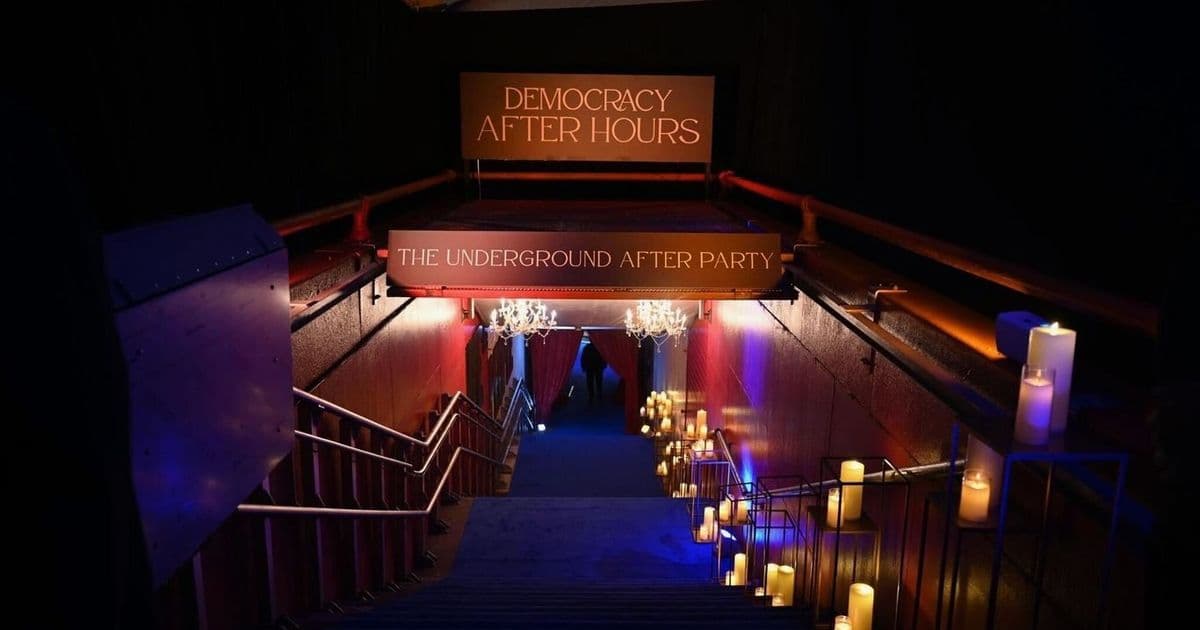
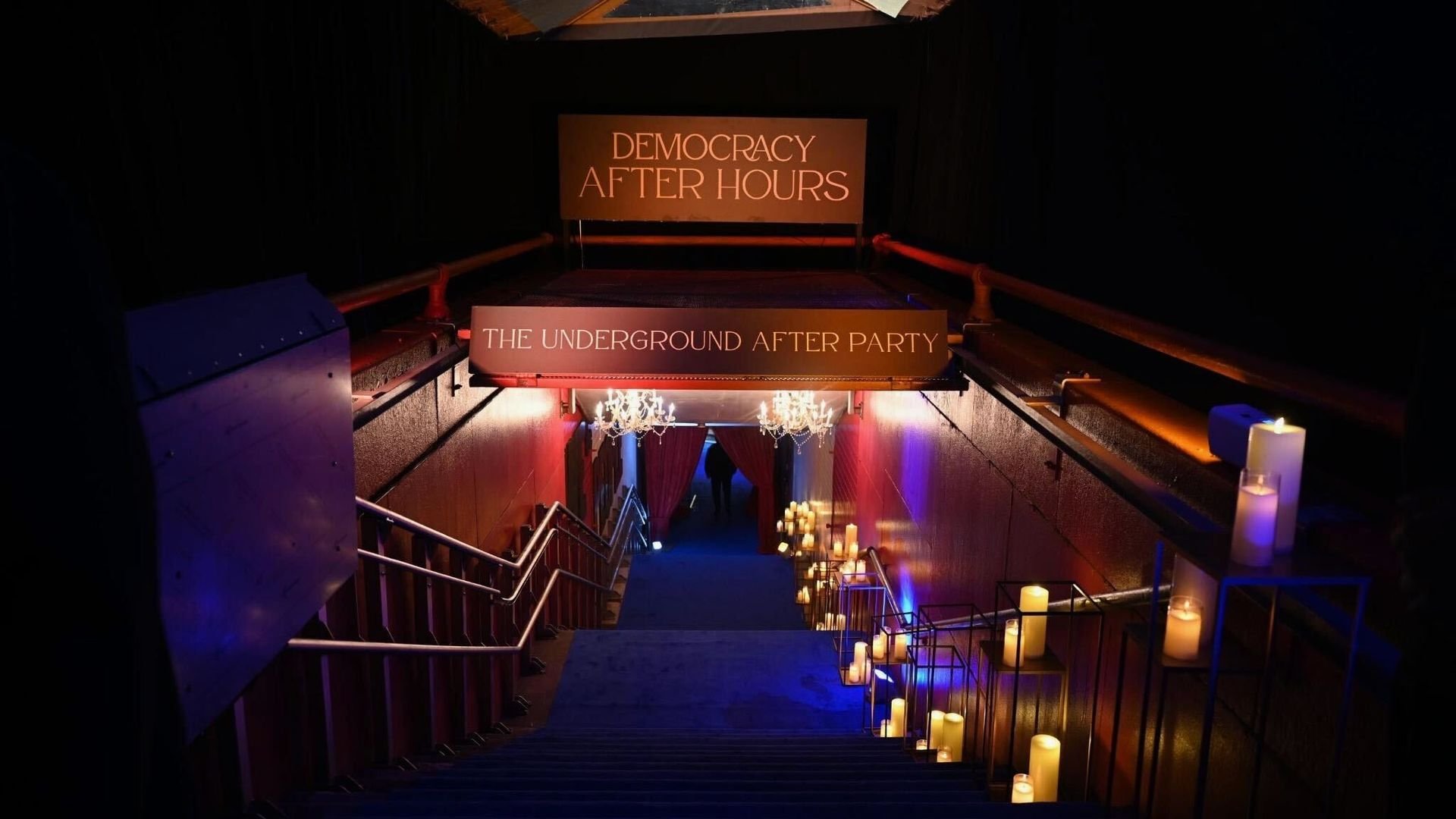
Washington's media landscape is experiencing a fundamental reshaping as traditional outlets confront declining advertising revenue while new digital-native platforms gain influence. The recent convergence of media and entertainment events, exemplified by MS NOW's rental of Dupont Underground for a post-White House Correspondents' Dinner gathering, signals how media organizations are adapting their engagement strategies in the nation's capital.
The financial pressures facing traditional Washington media outlets are substantial. According to recent industry reports, legacy political publications have seen print advertising revenue decline by approximately 40% over the past five years, while digital growth has failed to compensate for these losses. Major players like The Washington Post, while maintaining strong digital subscriber bases (with over 3 million digital subscribers), continue to face challenges in monetizing their political coverage beyond traditional subscription models.
Simultaneously, a new generation of media organizations is emerging with different economic models and audience engagement strategies. Digital-native platforms like Axios, which recently achieved a valuation exceeding $800 million, have developed highly efficient content distribution systems that prioritize brevity and shareability. These organizations have demonstrated that political media can be both substantive and commercially viable, with Axios reporting annual revenue growth of approximately 35% since its inception.
The market context reveals a bifurcating landscape. Traditional media organizations are consolidating resources, with Politico's acquisition by Axel Springer in 2021 valuing the political outlet at over $1 billion. Meanwhile, independent media outlets are increasingly relying on direct audience funding models, with platforms like Substack enabling individual journalists to build subscriber bases directly. The success of these models is evidenced by the fact that over 200 Washington-based journalists have launched independent newsletters through Substack, collectively generating estimated annual revenue exceeding $50 million.
The strategic implications of these shifts extend beyond business models to influence how political information is produced and consumed. The rise of direct audience relationships has created new incentives for journalists to cultivate personal brands and establish direct connections with readers. This transformation has led to increased polarization in media consumption, as audiences increasingly gravitate toward outlets that align with their existing political perspectives.
What these changes mean for Washington's media ecosystem is a more diverse but potentially fragmented information environment. Traditional outlets maintain advantages in institutional access and investigative resources, while newer platforms excel in audience engagement and content distribution. The most successful organizations will likely be those that can effectively blend these strengths, maintaining journalistic rigor while developing innovative approaches to audience development and monetization.
The recent White House Correspondents' Dinner, which has historically served as a gathering point for Washington's media elite, illustrates this evolving landscape. The event's traditional media-focused gatherings have been supplemented by new types of engagement like MS NOW's Dupont Underground gathering, reflecting how media organizations are expanding their presence beyond traditional press events. These adaptations signal a broader recognition that Washington's media ecosystem must continuously evolve to maintain relevance in an increasingly digital and audience-driven environment.
Looking forward, Washington's media landscape will likely continue to transform as emerging technologies like AI-generated content and algorithmic curation further disrupt traditional production and distribution models. Organizations that can effectively navigate these changes while maintaining journalistic quality will be positioned to thrive in the new media environment.
Comments
Please log in or register to join the discussion