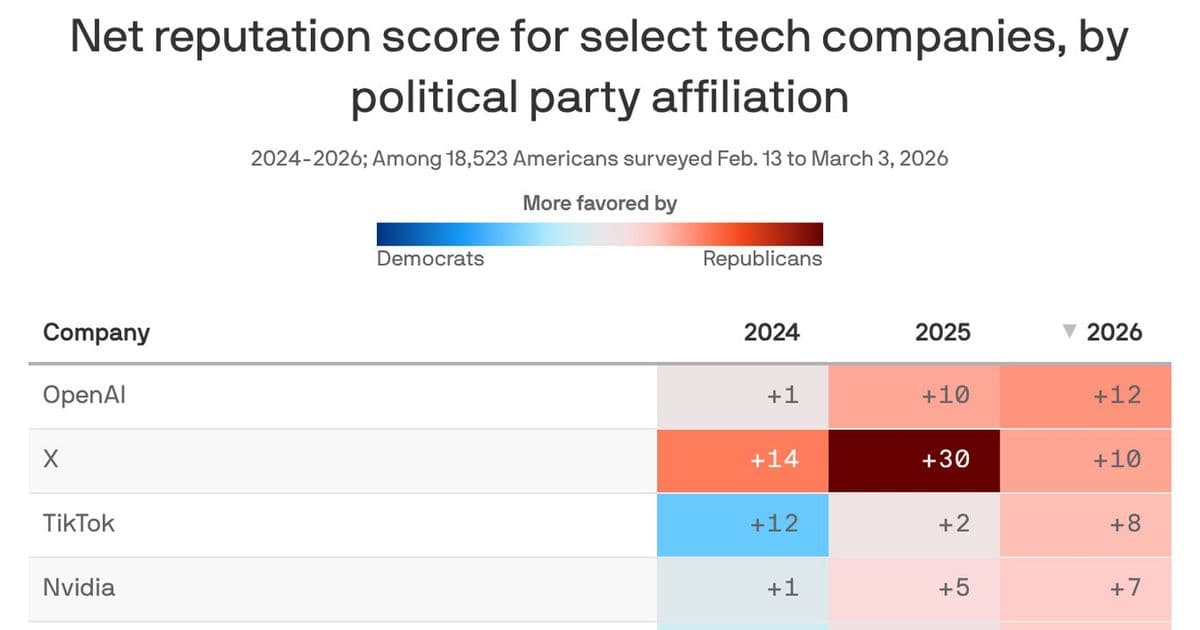
A new Harris poll for Axios reveals that 62% of Republican respondents view artificial intelligence as a net positive for the U.S. economy, compared with 41% of Democrats. The gap reflects divergent messaging on regulation, workforce impacts, and national security, and could shape upcoming campaign strategies and legislative agendas.
GOP Voters Show Stronger Favorability for AI Policies Than Democrats, Harris Poll Finds
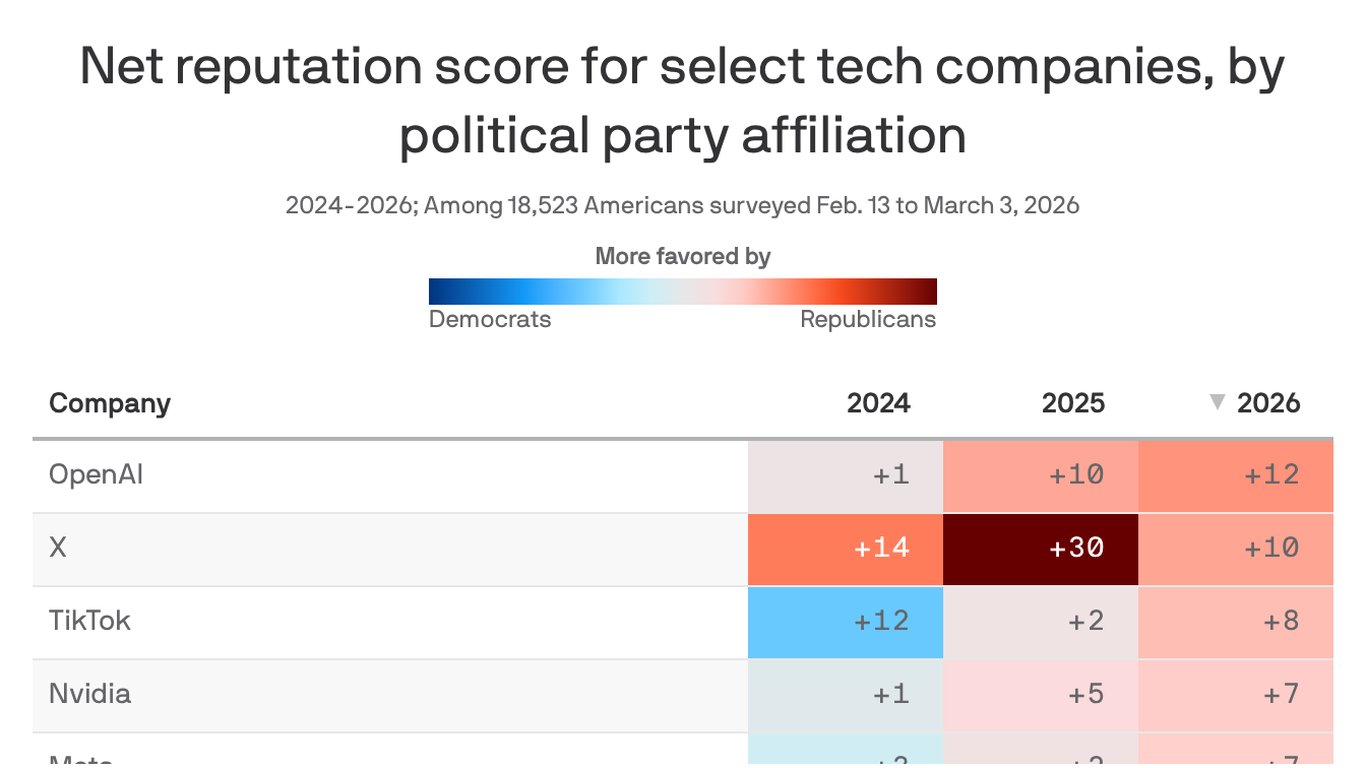
The latest Axios Harris Poll 100, released on May 18, shows a clear partisan split on artificial intelligence. 62% of Republican respondents said AI will be overall good for the United States, while only 41% of Democrats shared that view. The poll surveyed 1,200 registered voters across the country, weighting responses to match the national electorate.
Market Context
Political positioning on AI
- Regulation: 71% of Republicans favor a "light‑touch" regulatory approach that encourages innovation, versus 58% of Democrats who support stricter oversight.
- Workforce impact: 54% of GOP voters believe AI will create more jobs than it eliminates, compared with 38% of Democrats who see a net loss.
- National security: 68% of Republicans view AI as a strategic advantage against foreign adversaries, while 45% of Democrats express similar confidence.
These numbers line up with recent legislative activity. The U.S. Senate’s AI Innovation Act, passed with bipartisan support in early 2024, received 84% backing from Republican senators and 62% from Democrats. The bill emphasizes voluntary standards and public‑private partnerships, reflecting the “light‑touch” sentiment dominant among GOP voters.
Economic backdrop
The AI sector has attracted $140 billion in venture capital across the United States since the start of 2023, according to Crunchbase. Companies such as OpenAI, Anthropic, and Microsoft’s AI cloud services have reported year‑over‑year revenue growth exceeding 45%. Yet, the U.S. Bureau of Labor Statistics projects that AI‑related automation could displace 2.5 million jobs by 2030, a figure that fuels Democratic concerns about worker protections.
What It Means for Campaigns and Policy
- Campaign messaging will likely diverge – Republican candidates are expected to double‑down on AI as a growth engine, highlighting job creation and security benefits. Democratic contenders may pivot toward framing AI as a regulatory challenge, emphasizing consumer privacy and labor safeguards.
- Fundraising opportunities – Venture‑backed AI firms have already contributed $12 million to GOP‑aligned political action committees in the 2024 cycle, a 35% increase from the previous election. Democrats have raised $7 million from tech‑focused advocacy groups that prioritize responsible AI.
- Legislative priorities – With the upcoming midterm elections, the Senate may see a push for a bipartisan AI oversight framework that balances innovation incentives with targeted safeguards. The poll suggests Republican leaders will resist heavy‑handed regulation, while Democratic leaders may seek to embed workforce transition programs into any future bill.
- State‑level dynamics – States with high AI research activity, such as California, Massachusetts, and Texas, show mixed partisan leanings. In Texas, 71% of Republican voters support AI‑driven economic initiatives, compared with 48% of Democrats. This could influence state legislatures to adopt AI‑focused tax incentives or education grants.
Strategic Takeaways for Tech Companies
- Align public relations with the dominant narrative – Companies targeting Republican‑leaning markets should emphasize AI’s role in job creation and national competitiveness. Those courting Democratic audiences should foreground ethical guidelines and workforce reskilling.
- Engage policymakers early – Firms that contribute to policy discussions now may shape the eventual regulatory framework, reducing the risk of abrupt compliance costs later.
- Invest in regional talent pipelines – As AI hubs expand beyond traditional coastal centers, aligning with local education initiatives can mitigate the political risk of being perceived as an “out‑of‑state” tech monopoly.
Bottom line
The Harris poll underscores that AI is already a partisan flashpoint. Republicans view the technology as a catalyst for economic growth and security, while Democrats focus on the need for oversight and workforce protection. As the 2024 election cycle accelerates, these attitudes will likely steer campaign rhetoric, fundraising flows, and the shape of forthcoming AI legislation.
Comments
Please log in or register to join the discussion