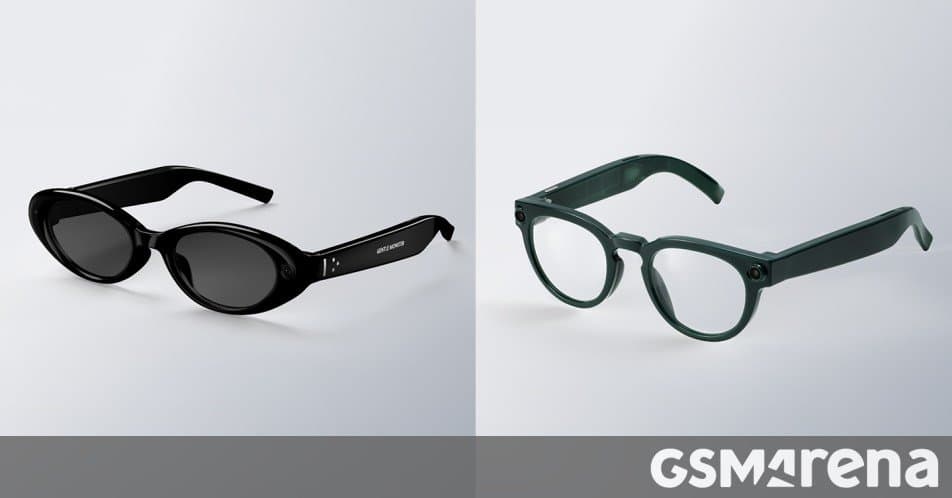
At Google I/O 2026 Samsung, Google, Gentle Monster and Warby Parker revealed Android XR smart glasses that run Gemini AI, offer real‑time translation, hands‑free navigation and productivity tools, and are slated for a fall launch.
Samsung and Google unveil AI‑powered smart glasses at Google I/O 2026
First look at Android XR wearables
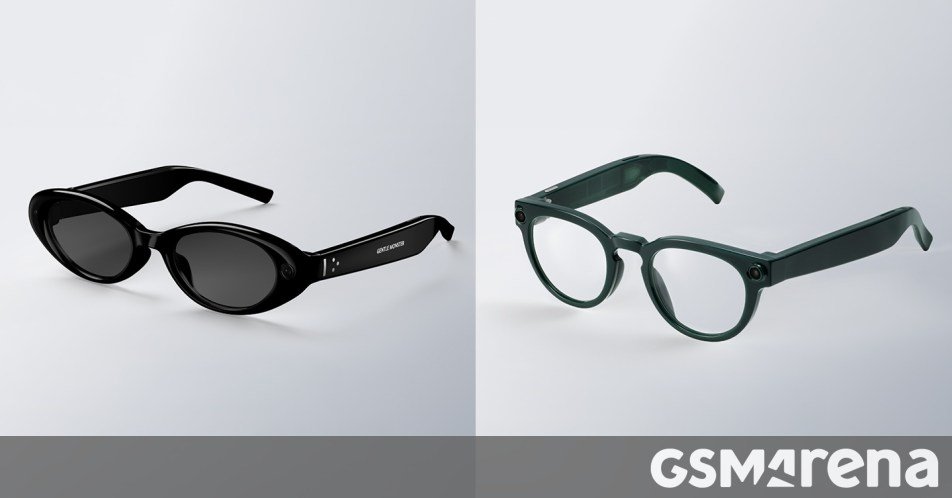
During the keynote on May 18, Google and Samsung finally gave the public a concrete glimpse of the AI‑driven smart glasses they announced in October 2025. The devices run a new version of Android called Android XR, a platform built for mixed‑reality head‑up displays. Two aesthetic variants were shown – one styled by Korean avant‑garde label Gentle Monster and the other by American eyewear brand Warby Parker – confirming the partnership announced last year.
Core capabilities
| Feature | What it does | Why it matters |
|---|---|---|
| Gemini voice assistant | Hands‑free access to Google’s Gemini large‑language model via a dedicated wake‑word. | Enables natural language queries without pulling out a phone. |
| Turn‑by‑turn navigation | Overlays directional arrows onto the wearer’s view, using GPS and street‑level data. | Keeps eyes on the road while walking or cycling. |
| Contextual recommendations | Real‑time suggestions for nearby restaurants, shops or events based on location and user preferences. | Turns the glasses into a personal concierge. |
| Productivity shortcuts | Voice‑driven commands to place orders, read summarized notifications, create calendar events, and more. | Bridges the gap between a phone‑centric workflow and a truly wearable experience. |
| Live translation | Speech‑to‑speech translation for conversations and instant OCR translation of printed text or signs. | Removes language barriers in travel or business settings. |
| Camera & media capture | Single forward‑facing camera with LED indicator, capable of stills, 1080p video and AI‑enhanced framing. | Provides a hands‑free way to document moments while keeping privacy visible. |
The announcement emphasized that the glasses act as a companion device – they pair with an Android phone for connectivity, but most AI processing happens on‑device thanks to the Snapdragon 8 Gen 4 Mobile Platform (expected, based on Samsung’s typical hardware choices). This on‑device inference reduces latency and protects user data, a key concern for wearables that constantly listen for voice commands.
Hardware hints and design cues
Official renderings show a sleek, frameless silhouette for the Gentle Monster model, while the Warby Parker version adopts a classic rectangular frame with subtle metal accents. Both designs include:
- Single 12 MP sensor with a wide‑angle lens, positioned at the bridge of the nose.
- LED status light that glows when the camera is active or when Gemini is listening.
- Bone‑conducting speakers tucked into the temples, delivering audio without blocking ambient sound.
- Touch‑sensitive arm that supports swipe gestures for quick actions (e.g., answer a call, skip a track).
No battery capacity or weight figures were disclosed, but Samsung’s previous prototype hinted at a 350 mAh cell, which should deliver roughly 5‑6 hours of mixed‑use before a quick 30‑minute charge restores full capacity.
Ecosystem implications
The launch reinforces Google’s strategy of locking Gemini into its own hardware stack, similar to how the company integrated Bard into Pixel phones. By bundling Gemini with Android XR, Google creates a differentiated value proposition for Android flagships that support the XR runtime. Samsung, as the world’s largest Android OEM, gains a premium accessory that can only run on its own devices, deepening the Samsung‑Google ecosystem.
For third‑party developers, the Android XR SDK (available now in beta on the official Android developers site) exposes APIs for:
- Real‑time language translation (
TranslationOverlay) - Spatial audio rendering (
XRSpatialAudio) - On‑device LLM inference (
GeminiOnDeviceEngine)
Early adopters can start building productivity extensions (e.g., voice‑driven note‑taking) and AR commerce experiences (e.g., virtual try‑on for accessories) that run directly on the glasses without a phone screen.
Timeline and pricing expectations
Google and Samsung said the glasses will ship later this fall, likely targeting the back‑to‑school and holiday shopping windows. While no price has been announced, analysts compare the product to the Meta Ray‑Ban Stories and Apple Vision Pro, placing it in the $399‑$599 bracket – affordable enough for early adopters but still a premium accessory.
What to watch next
- Full hardware spec sheet – Samsung is expected to publish detailed dimensions, battery life and sensor list in the coming weeks.
- Developer preview – The Android XR beta will open to more partners in August, with a public SDK release slated for Q4.
- Regional availability – Initial rollout will focus on North America, South Korea and Europe, with Samsung’s global distribution network handling logistics.
The collaboration marks a significant step toward making AI‑driven AR a daily utility rather than a novelty. If the glasses deliver on the promised hands‑free Gemini experience, they could become the go‑to companion for navigation, translation and quick information look‑ups, especially for power users already entrenched in the Android ecosystem.
Comments
Please log in or register to join the discussion