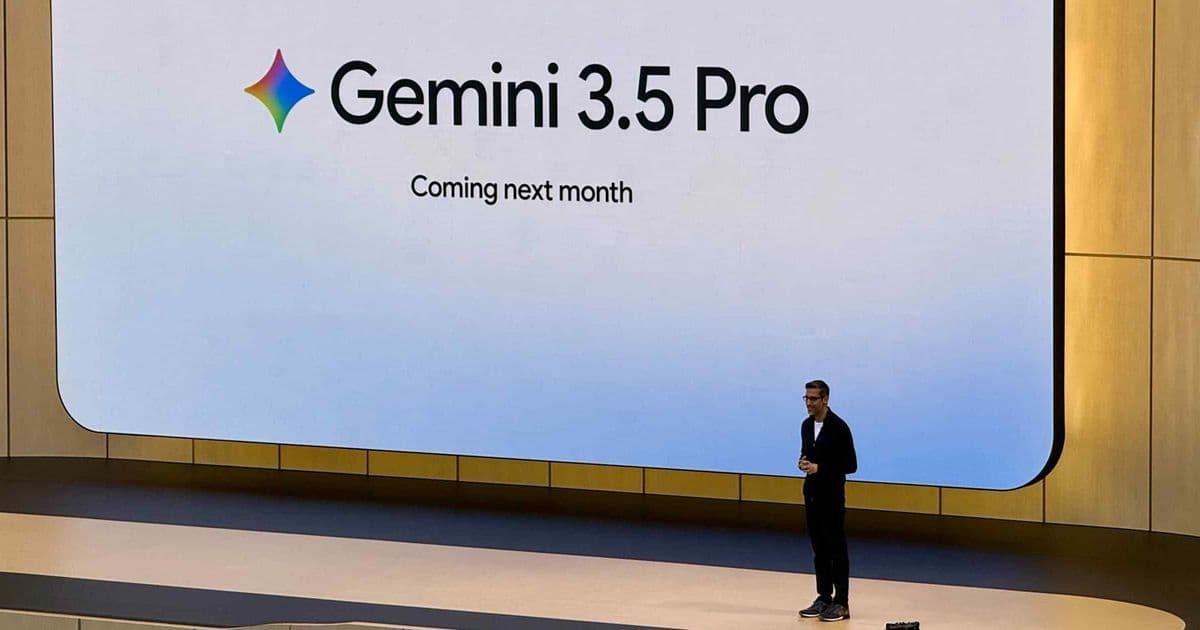
Google unveiled Gemini 2, a large‑language model that cuts token‑processing costs by up to 40 percent. The move targets enterprises wrestling with soaring AI compute bills and positions Alphabet to compete more aggressively with Nvidia in the high‑performance‑AI hardware market.
Google rolls out Gemini 2, a cheaper, faster large‑language model
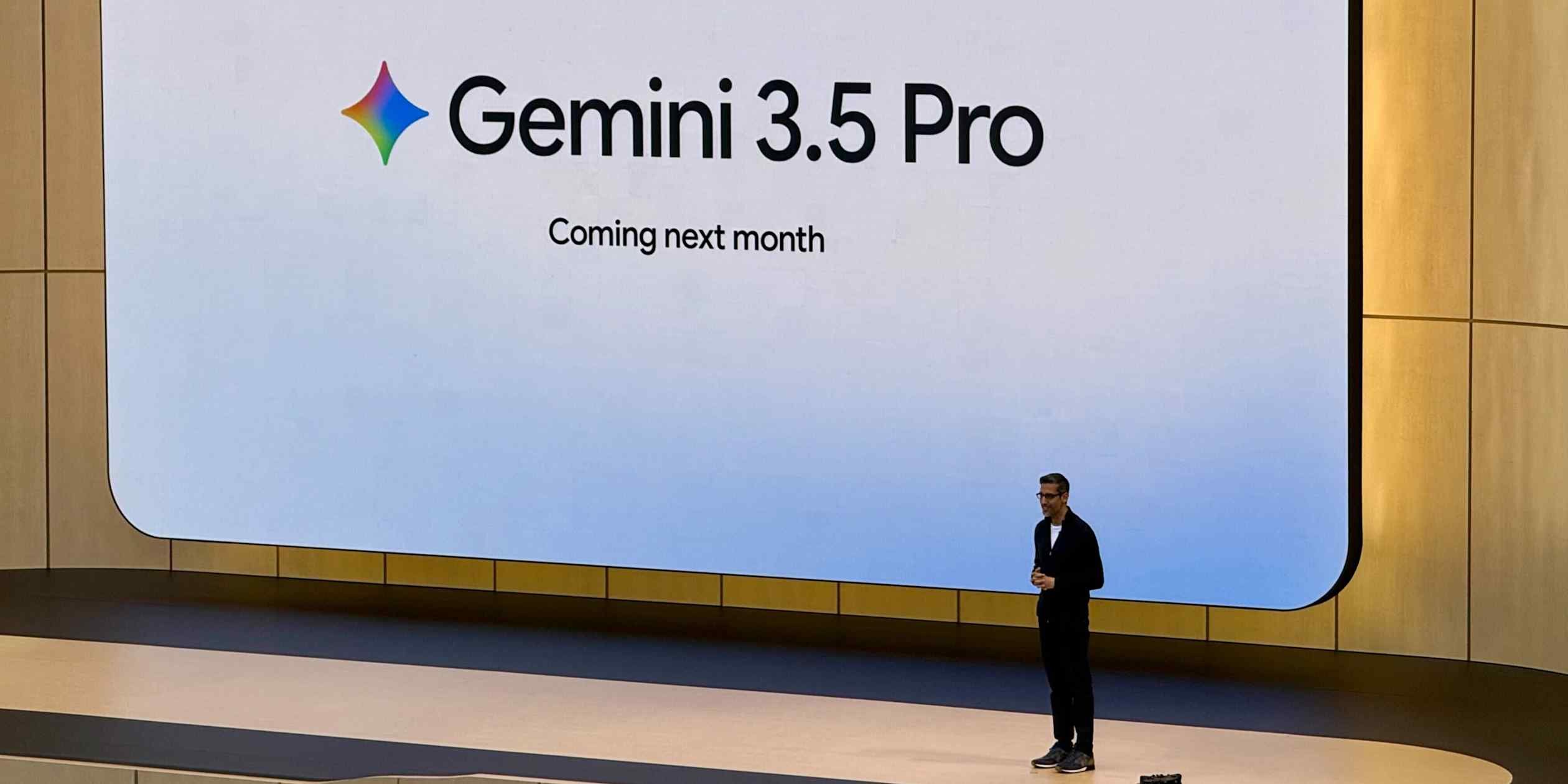
Google announced the second generation of its Gemini series, Gemini 2, at a press event in Mountain View on May 20, 2026. The company claims the new model delivers 30‑40 percent lower token‑processing costs while matching or exceeding the accuracy of its predecessor on standard benchmarks such as MMLU, HumanEval and the latest multilingual QA suites.
The cost reduction comes from two technical upgrades:
- Sparse‑Mixture of Experts (MoE) routing that activates only the most relevant sub‑networks for a given input, trimming unnecessary compute cycles.
- Quantized weight formats that store parameters in 4‑bit blocks without sacrificing inference quality, allowing the model to run on Google’s next‑gen Tensor Processing Units (TPUs) at higher throughput.
Google’s internal testing shows a token‑price drop from $0.00012 to $0.00007 on the public Gemini 1 pricing sheet. For a typical enterprise workload of 10 billion tokens per month, the savings translate to roughly $500 million per year.
Market context: AI compute costs are a growing pain point
According to a recent IDC survey, 68 percent of Fortune 500 firms plan to increase AI spend in 2026, but 70 percent cite compute cost as the top barrier. Nvidia’s H100 and the newer H200 GPUs dominate the high‑end AI accelerator market, commanding premium pricing that can exceed $30,000 per unit. Alphabet’s latest TPU‑v5 chips, announced alongside Gemini 2, are priced at $18,000 per board, a 40 percent discount relative to Nvidia’s comparable offering.
The combined effect of cheaper tokens and lower‑cost hardware could shift the economics of large‑scale model deployment. Analysts at Morgan Stanley estimate that global AI infrastructure spend will reach $210 billion in 2027, with compute hardware accounting for roughly 45 percent of that total. A 10 percent reduction in per‑token cost across the sector could free $9 billion for new model training or downstream applications.
Strategic implications for Alphabet and the broader AI ecosystem
Revenue diversification – Google has traditionally monetized AI through cloud‑based API usage. By offering a lower‑priced token model, Alphabet can attract price‑sensitive customers who might otherwise turn to open‑source alternatives like LLaMA 2 or Cohere. Early adopters such as fintech firm Klarna and logistics platform Flexport have already signed multi‑year contracts worth $120 million combined, citing the projected token savings.
Hardware rivalry with Nvidia – The joint TPU‑v5 and Gemini 2 launch signals a direct challenge to Nvidia’s dominance in training and inference. While Nvidia continues to lead in GPU market share, Google’s vertically integrated stack—hardware, model, and cloud services—offers a compelling value proposition for enterprises seeking end‑to‑end solutions.
Pressure on open‑source model providers – Projects such as Mistral AI and OpenAI’s open‑weight releases will need to address cost efficiency if they hope to retain commercial relevance. The Gemini 2 announcement may accelerate the trend toward hybrid models that combine open‑source foundations with proprietary optimizations.
Regulatory and sustainability angles – Lower compute demand aligns with emerging ESG expectations. Google estimates that Gemini 2 reduces energy consumption by 15 percent per token, helping customers meet carbon‑reduction targets and potentially easing scrutiny from regulators focused on AI’s environmental impact.
What it means for businesses
Enterprises that have been postponing AI projects due to budget constraints now have a clearer path to scale. A typical use case—customer‑service chatbots handling 5 million daily interactions—could see annual cost reductions from $2.1 million to $1.2 million under Gemini 2 pricing. Companies that migrate existing workloads from older Gemini or third‑party models to Gemini 2 can expect speed gains of 1.5‑2×, shortening time‑to‑insight for data‑driven initiatives.
In summary, Google’s Gemini 2 model delivers a tangible economic advantage that may reshape enterprise AI adoption curves. By coupling cost‑effective inference with a competitively priced TPU ecosystem, Alphabet is positioning itself as a one‑stop shop for AI‑heavy workloads, challenging Nvidia’s hardware lead and pressuring open‑source competitors to innovate on efficiency.
Comments
Please log in or register to join the discussion