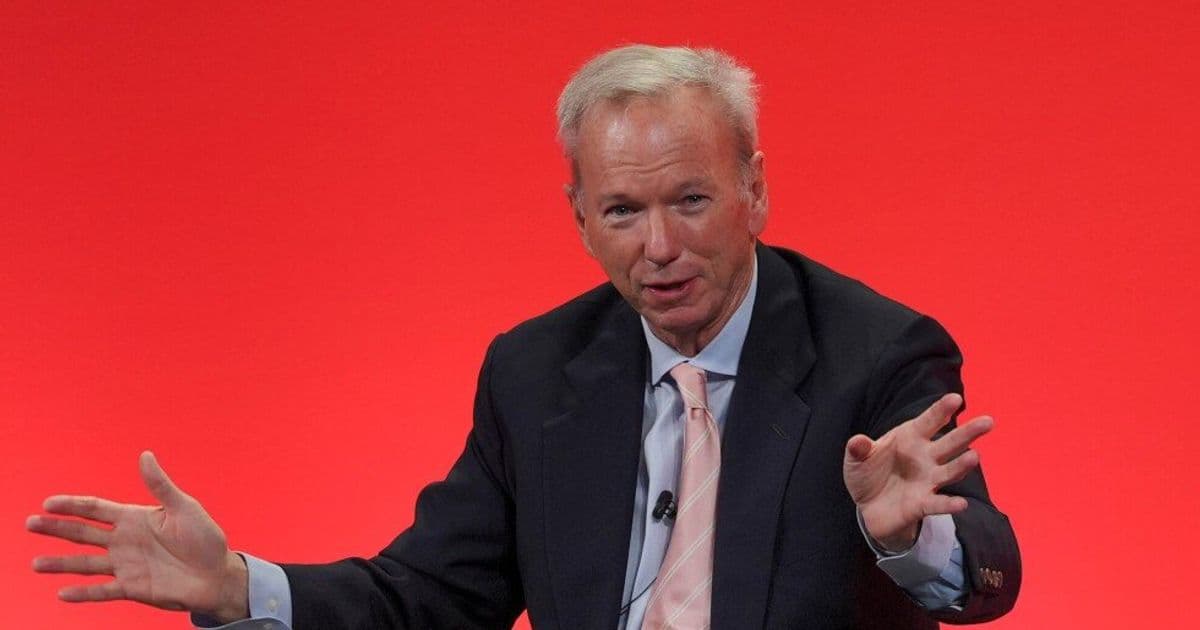
Speakers at several U.S. university commencements faced loud boos when they highlighted artificial intelligence, reflecting growing student fear that AI will erode career prospects amid a weak job market.
Graduates Boo AI‑Centric Commencement Talks, Citing Job‑Market Anxiety
Across multiple campuses this spring, keynote speakers who mentioned artificial intelligence were met with audible disapproval from graduating students. The incidents, which included former Google CEO Eric Schmidt at the University of Arizona and music executive Scott Borchetta at Middle Tennessee State University, illustrate a palpable tension between industry optimism about AI and student concerns over employability.
What was claimed?
Speakers framed AI as a universal catalyst:
- Schmidt said AI “will touch every profession, every classroom, every hospital, every laboratory, every person and every relationship.”
- Borchetta described AI as “rewriting production” in the music industry.
- Real‑estate executive Gloria Caulfield called the technology “the next industrial revolution.”
The underlying message was consistent: AI is inevitable, and graduates should learn to work with it rather than fear it.
What is actually new?
- Scale of the backlash – While isolated complaints about AI have appeared in campus forums, the coordinated booing at large, televised commencements is unprecedented. It signals that student sentiment has moved from private forums to public protest.
- Concrete poll data – A 2025 survey by the Institute of Politics at Harvard Kennedy School found that 70 % of college students view AI as a threat to their job prospects. A concurrent Gallup poll showed a decline in optimism about AI among Gen Z, even as usage rates remain high.
- Policy friction – Several universities have recently updated honor‑code policies to restrict AI‑generated content in coursework. Graduates who have been penalized for using tools like ChatGPT now hear industry leaders praising the same technology, creating a perceived double standard.
Why the reaction matters
Employment outlook
The unemployment rate for recent graduates (ages 22‑27) has risen to its highest level in over a decade, according to the Bureau of Labor Statistics. Employers are posting job ads that require “collaboration with AI,” but many students report not understanding what that entails. For example, Sami Wargo, a digital‑media graduate from Marquette University, has applied to roughly 30 positions without success and says most listings demand AI fluency that her coursework explicitly prohibited.
Credibility of speakers
Critics pointed out that many of the invited speakers have commercial stakes in AI. Schmidt’s tenure at Google coincided with the launch of Bard, and Borchetta’s label has recently signed artists who use AI‑generated music. When these figures appear on graduation stages, students interpret the message as a marketing push rather than neutral guidance.
Limitations and open questions
- Depth of understanding – Most boos were reactionary; few students articulated specific technical concerns (e.g., model bias, data privacy). The discourse risks reducing a nuanced debate to a binary “AI = job killer.”
- Diversity of viewpoints – All reported incidents involved speakers who were largely optimistic about AI. It remains unclear how a more critical perspective—discussing regulation, model interpretability, or workforce reskilling programs—would be received.
- Long‑term impact – Whether this backlash will influence university speaker selection policies or curriculum design is still speculative. Some institutions have already pledged to include “AI literacy” modules, but implementation details are sparse.
Practical takeaways for graduates
- Seek concrete skill gaps – Identify which AI tools are actually used in your target industry (e.g., large‑language models for drafting, computer‑vision APIs for quality control) and pursue short courses or certifications that provide hands‑on experience.
- Ask for clarity in job ads – When a posting mentions “AI collaboration,” request specifics during interviews: are they looking for prompt engineering, model evaluation, or just a willingness to adopt new software?
- Balance optimism with caution – While AI can automate routine tasks, it also creates new roles in model monitoring, ethics review, and data governance. Align your career plan with these emerging niches rather than assuming a blanket loss of jobs.
Related resources
- Harvard Kennedy School Institute of Politics poll on AI and careers
- Bureau of Labor Statistics unemployment data for recent graduates
- Adobe’s AI‑co‑authoring guide for business writers
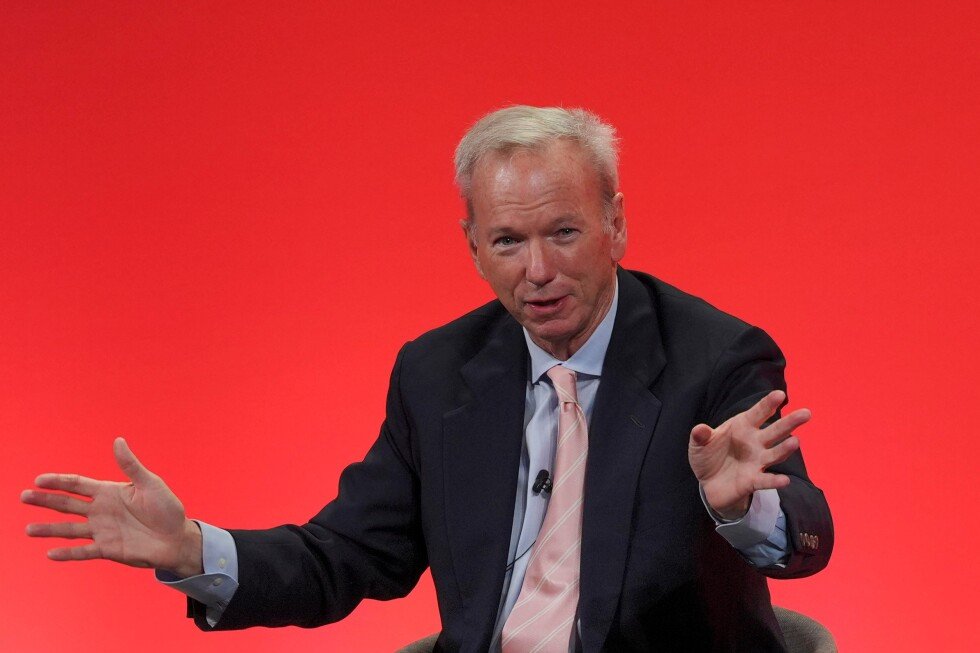
The backlash at the University of Arizona illustrates how quickly optimism can turn into dissent when students feel unheard.
Comments
Please log in or register to join the discussion