
The semiconductor memory industry faces unprecedented demand from AI data centers, forcing GPU manufacturers to prioritize high-margin products and creating a severe pricing crisis for gaming graphics cards. This analysis examines the current market state, price trends across Nvidia, AMD, and Intel generations, and the supply chain dynamics driving these changes.
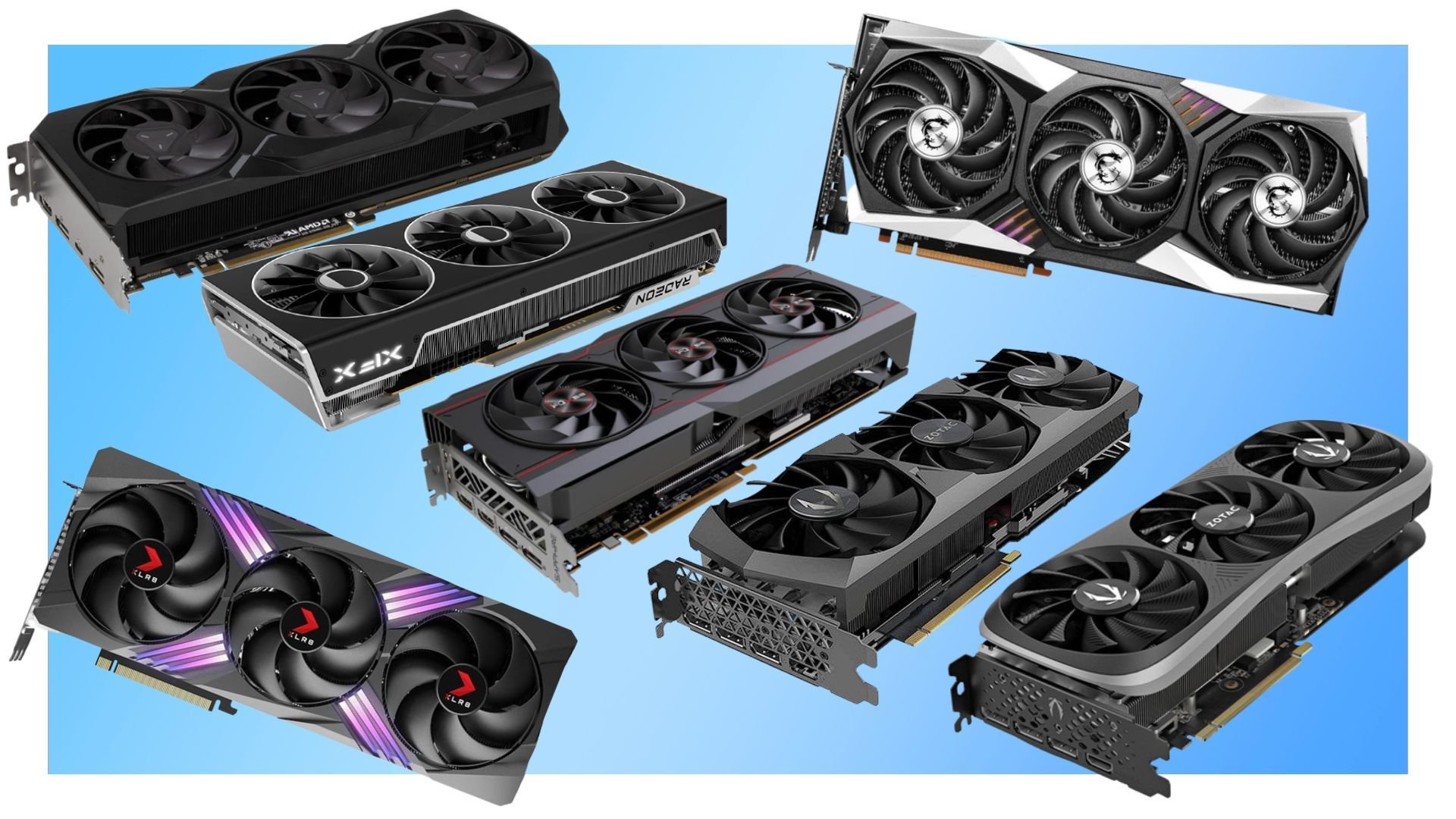
The graphics card market in 2026 is defined by a single, overwhelming factor: the AI industry's insatiable demand for memory. The memory industry, besieged by massive orders for AI data centers and AI-specific GPUs, has created a supply constraint that is directly impacting gaming graphics card prices and availability. This isn't a temporary shortage; it's a fundamental reallocation of resources within the semiconductor supply chain.
Nvidia, as the dominant player in both AI accelerators and consumer GPUs, is reportedly allocating its memory supply based on the profit margin per gigabyte of VRAM. This strategy makes high-memory AI chips like the H100 and H200 vastly more profitable than consumer gaming cards, leading to a dire situation for certain gaming GPU models. The result is a market where finding a reasonably priced, in-stock graphics card has become a significant challenge for gamers.
The Memory Allocation Strategy and Its Consequences
The core of the crisis lies in the economics of memory manufacturing. GDDR7 and HBM3e memory are produced in limited quantities, and the fabrication capacity is being prioritized for products that yield the highest return. An AI accelerator with 80GB of HBM3e can command a price of tens of thousands of dollars, while a gaming GPU with 16GB of GDDR7 sells for a fraction of that. Consequently, manufacturers are directing memory shipments toward the data center market.
This has a cascading effect on the gaming market. Models that rely on larger memory configurations, such as the flagship RTX 5090 with its 32GB of GDDR7, face the most severe supply constraints. Even mid-range cards with 16GB of VRAM are experiencing price inflation. Conversely, lower-tier cards with 8GB of VRAM, which use less of the constrained memory resource, are more readily available at or near their Manufacturer's Suggested Retail Price (MSRP).
Market Analysis by GPU Generation
The current market can be segmented into three distinct categories: the latest generation, the previous generation, and the value-focused alternatives.
The Latest Generation: RTX 50-Series and Radeon RX 9000-Series
Nvidia's RTX 50-Series represents the current pinnacle of consumer graphics, built on the new Blackwell architecture. While the generational leap in pure rasterization performance over the 40-series is modest, the series introduces significant software advancements: 5th Gen Tensor cores, 4th Gen Ray Tracing cores, DLSS 4.5 with Multi-Frame Generation, and Reflex 2. These technologies are crucial for extracting maximum performance from the hardware, especially on models with less VRAM.
However, availability is poor across the board. The flagship RTX 5090, with its 32GB of GDDR7, is nearly impossible to find near its $1,999 MSRP, with prices often exceeding $3,500. The RTX 5080 and 5070 Ti are also in short supply at reasonable prices. The more accessible models are the RTX 5060 and 5060 Ti, particularly the 8GB variants, which are seeing prices closer to MSRP due to their lower memory footprint.
AMD's Radeon RX 9000-Series (RDNA 4) competes directly with Nvidia's mid-to-high range. The RX 9070 XT, with 16GB of GDDR6, is positioned against the RTX 5070 Ti, while the RX 9070 targets the RTX 5070. AMD has made notable improvements in ray tracing and AI upscaling (FSR 4), though they still trail Nvidia in pure ray tracing performance. Like Nvidia, AMD faces memory allocation challenges. The RX 9070 XT's MSRP of $599 is a theoretical benchmark; actual street prices are often $100-$150 higher. The 8GB RX 9060 XT is more readily available at its $299 MSRP, but its 8GB buffer is a limitation for future game requirements.
The Previous Generation: RTX 40-Series and Radeon RX 7000-Series
Nvidia's RTX 40-Series (Ada Lovelace) is largely end-of-life. Production has ceased, and remaining stock is scarce. Cards like the RTX 4090 and 4080 Super are frequently listed as out of stock by first-party retailers. When available, they are often sold by third-party sellers at inflated prices, sometimes exceeding their original launch MSRPs. The risk of purchasing ex-mining hardware or used cards is high, and buyers must be exceptionally vigilant. While the RTX 4070 and 4060 series can still be found, they are not a cost-effective alternative to the newer 50-series unless purchased at a significant discount.
AMD's Radeon RX 7000-Series (RDNA 3) remains a viable option for raw computational power, especially for gamers who prioritize rasterization performance over ray tracing. The flagship RX 7900 XTX, with 24GB of GDDR6, is still a powerhouse and ranks highly in performance benchmarks. It represents a unique value proposition, as AMD did not release a direct successor in the 9000-series. However, like the 40-series, supply is dwindling, and prices are not as competitive as they once were.
The Value Segment: Intel Arc
Intel's Arc series has matured into a legitimate budget option. Through consistent driver updates, performance in modern titles has improved significantly, though legacy DirectX 11 and earlier games can still suffer from suboptimal performance. The key advantage for Intel is pricing. The Arc B580 (12GB VRAM) and B570 (10GB VRAM) occupy a price-performance sweet spot largely abandoned by Nvidia and AMD in the budget segment.
At around $229 for the B580, it offers more VRAM than an RTX 5060 Ti 8GB ($319) for a similar price, making it a compelling choice for 1080p gaming. Stock and manufacturer variety (ASRock, Acer, etc.) are limited, but for budget-conscious builders, Intel Arc should not be overlooked.
Supply Chain Context and Future Outlook
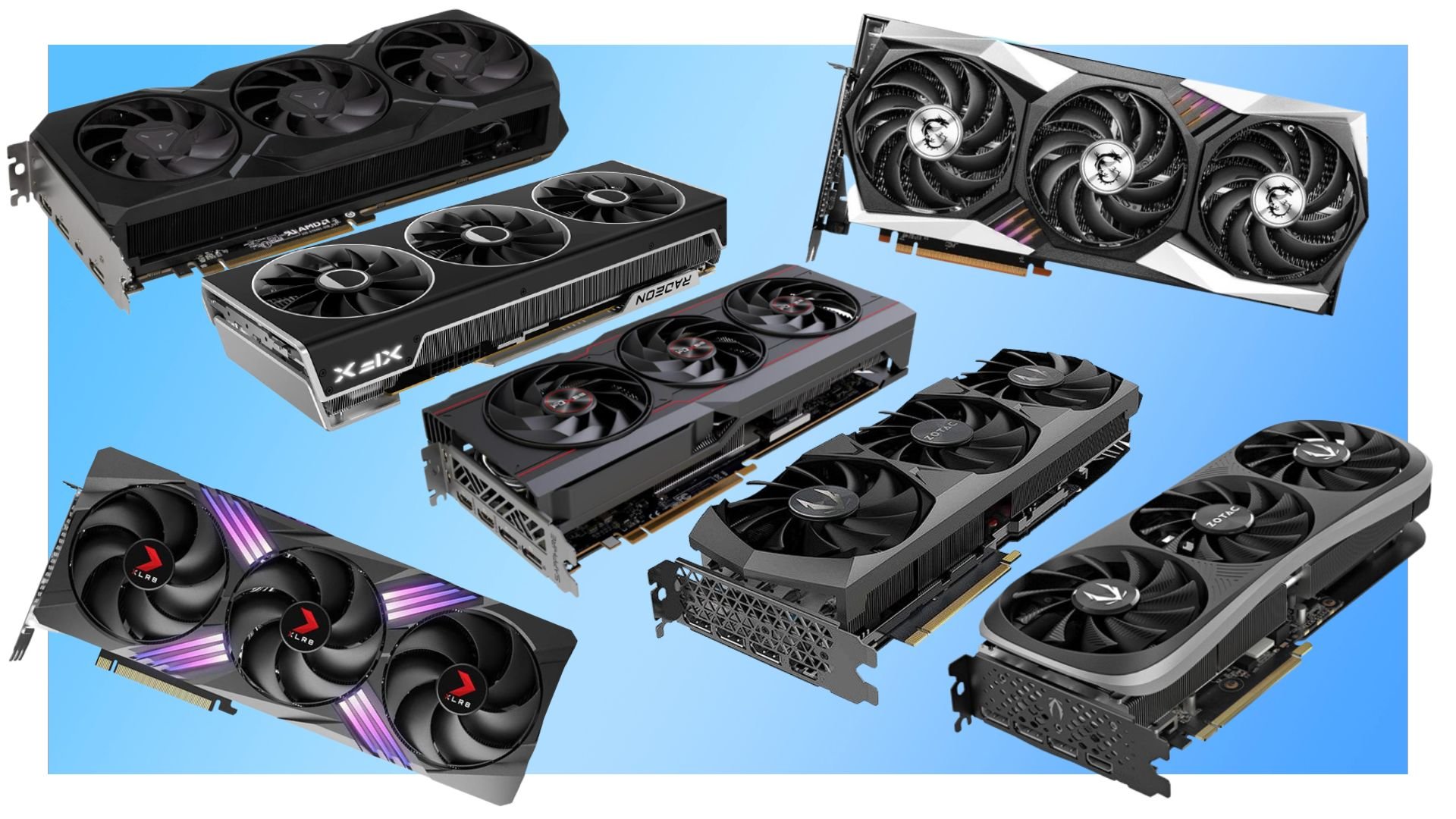
The current pricing crisis is not a simple case of scalping or temporary demand spikes. It is a structural issue rooted in the semiconductor supply chain. The fabrication of advanced memory nodes is capital-intensive and has long lead times. Building new capacity takes years and billions of dollars. While memory manufacturers like SK Hynix, Micron, and Samsung are investing heavily in expansion, the AI demand curve is so steep that it will likely outpace supply growth for the foreseeable future.
This means the prioritization of high-margin AI products will continue. For gamers, this translates to a sustained period of elevated prices and limited availability, particularly for high-end cards. The market is bifurcating: a thriving, expensive AI accelerator market and a constrained, expensive gaming GPU market.
Navigating the Market: A Buyer's Guide
For consumers seeking a graphics card in this environment, a strategic approach is necessary:
- Prioritize VRAM Efficiency: If your budget is limited, focus on cards with 8GB of VRAM (RTX 5060, RX 9060 XT 8GB, Intel Arc B570). They are the most likely to be available at or near MSRP.
- Consider the Previous Generation with Caution: Buying a used RTX 40-series or RX 7000-series card can be a value play, but only if purchased from a reputable seller with a warranty. Verify the card's condition and history.
- Evaluate Intel Arc Seriously: For 1080p gaming, the Arc B580 offers an excellent price-to-performance ratio and more VRAM than competing budget cards from Nvidia and AMD.
- Monitor Retailers Religiously: Stock can appear and disappear quickly. Use tracking tools and check major retailers (Amazon, Newegg, Best Buy) multiple times daily. Be wary of third-party sellers with poor ratings.
- Understand the Total Cost of Ownership: A GPU's price is only part of the equation. Consider power draw, cooling requirements, and compatibility with your existing system (PSU wattage, case size).

Conclusion: A New Normal for GPU Pricing
The AI-driven memory crisis has fundamentally altered the graphics card market. The days of predictable, cyclical price drops with each new generation are likely over, at least in the short to medium term. The gaming market is now a secondary consumer of a primary resource—advanced memory—which is being funneled toward the more lucrative AI sector.
This does not mean gaming is dead, but it does mean gamers must adapt. Value will be found in the mid-range and budget segments, where memory constraints are less severe. The high-end will remain a premium luxury, with prices reflecting its competition with data center demand. As a buyer, your best tools are patience, diligent research, and a clear understanding of the performance you need versus the performance you can afford in this new market reality.
Comments
Please log in or register to join the discussion