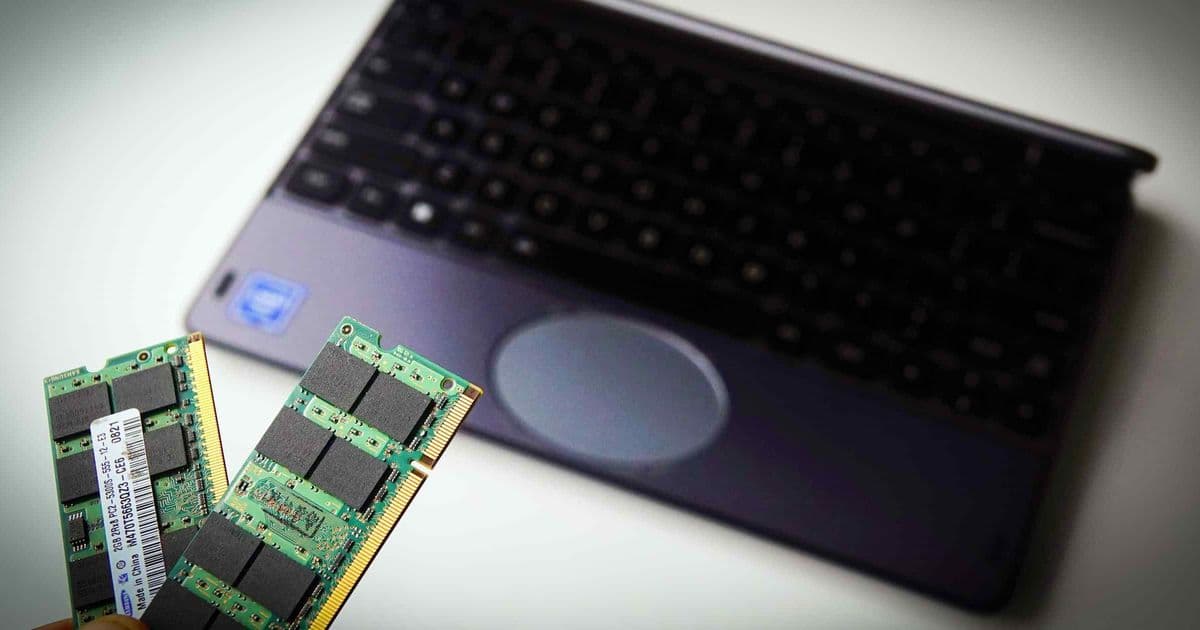
PC manufacturers like HP and Dell face pressure to increase prices by hundreds of dollars or reduce specifications as AI-driven memory chip shortages push costs higher.
The global PC industry is facing a perfect storm as the AI boom collides with memory chip shortages, forcing major manufacturers like HP, Dell, Acer, and Asus to consider significant price increases or specification cuts for their products.
The Memory Crisis Deepens
A severe shortage of DRAM and NAND flash memory chips has emerged as one of the most pressing challenges in the tech industry. The crisis stems from the explosive growth in AI applications, which now consume over 50% of available DRAM capacity, according to industry sources.
This shift has created a supply-demand imbalance that's rippling through the entire electronics supply chain. While AI servers and data centers gobble up premium memory chips, traditional PC manufacturers find themselves competing for increasingly scarce resources.
Price Hikes on the Horizon
Industry insiders report that PC makers are under mounting pressure to raise prices by hundreds of dollars per unit. The alternative—scaling back memory specifications—could compromise performance and user experience, potentially damaging brand reputation.
"The situation is particularly acute for mid-range and budget laptops," explains a supply chain analyst. "Manufacturers are caught between maintaining competitive pricing and delivering the performance consumers expect."
Supply Chain Adaptations
In response to the crisis, several major PC manufacturers are exploring alternative memory suppliers. HP, Dell, and other industry leaders are reportedly considering Chinese memory chip manufacturers to diversify their supply chains and reduce dependence on traditional suppliers like Samsung and SK Hynix.
This strategic shift comes as the two Korean giants have warned that the memory crunch could persist until 2027. Both companies are prioritizing AI applications and high-margin products, further constraining supply for the PC market.
Market Impact
The memory shortage is already affecting smartphone markets in China, where steep price hikes have been implemented. Industry analysts predict similar trends will spread globally as the shortage intensifies.
Long-term Implications
For consumers, this means higher prices for new PCs and potentially reduced upgrade cycles. Businesses may need to extend hardware refresh timelines or explore alternative computing solutions.
Industry Response
The PC industry is responding with various strategies:
- Premium Focus: Some manufacturers are shifting toward higher-margin, premium products that can absorb cost increases more easily
- Specification Optimization: Companies are working to optimize memory usage through software improvements and more efficient architectures
- Supply Chain Diversification: Exploring alternative suppliers and regions to reduce dependency on traditional memory chip sources
- Inventory Management: Building strategic reserves where possible to buffer against future shortages
The memory crunch represents a significant challenge for the PC industry, forcing manufacturers to make difficult decisions about pricing, specifications, and supply chain strategies. As AI continues to reshape the technology landscape, the competition for critical components like memory chips will only intensify, potentially reshaping the entire PC market in the coming years.
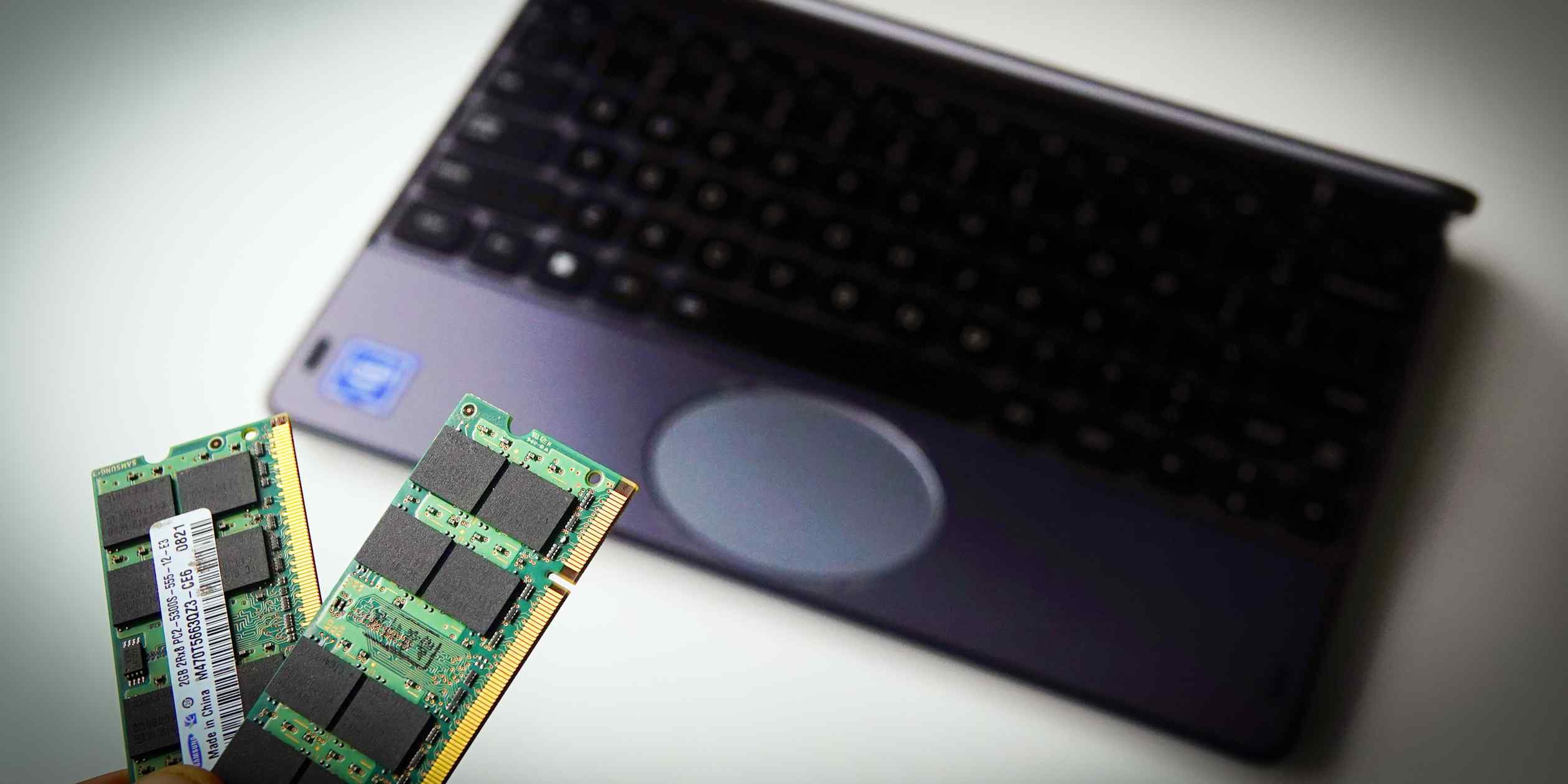
Featured image: Getty Images
Comments
Please log in or register to join the discussion