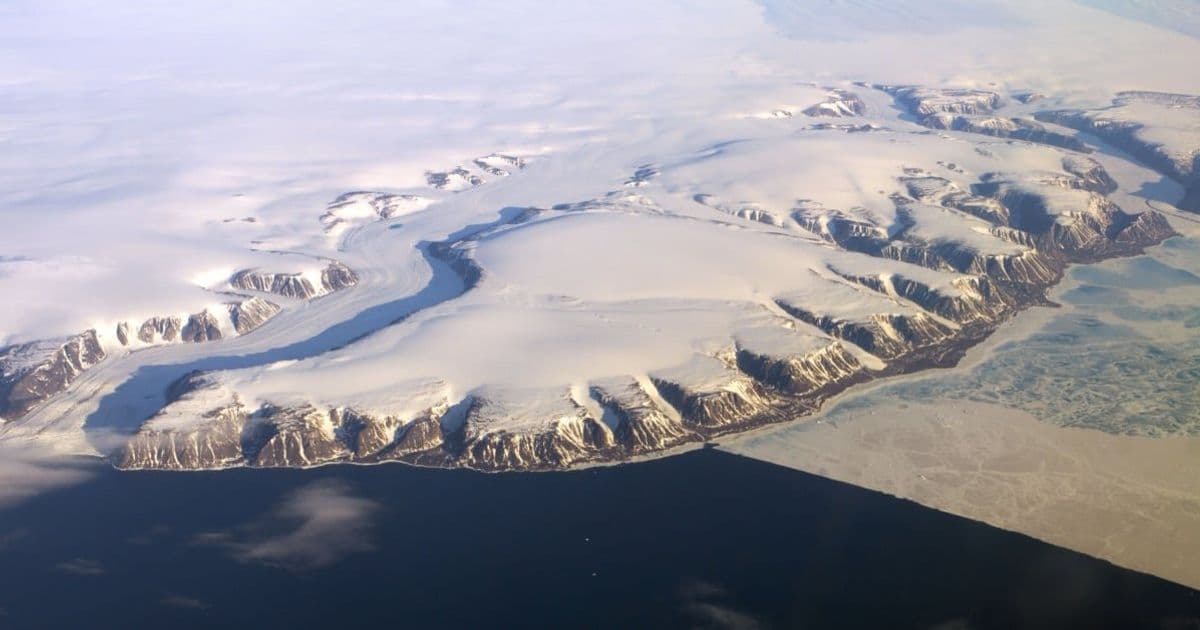
Despite holding the world's eighth-largest rare earth reserves, Greenland has zero operating mines. The obstacles aren't just geological—they're logistical, political, and economic. From infrastructure gaps to environmental concerns, we break down why extracting these critical minerals is harder than the headlines suggest.
The recent political theater around Greenland's mineral resources has overshadowed a fundamental reality: the island's rare earth elements and critical minerals are extraordinarily difficult to extract at commercial scale. While the Trump administration claims to have secured a "concept of a deal" for mineral rights through NATO, energy and mining consultancy Wood Mackenzie's analysis reveals that Greenland's geological promise faces insurmountable practical barriers.
The Geological Reality: Abundant but Inaccessible
Greenland's mineral potential is undeniably significant. The autonomous territory within the Kingdom of Denmark is believed to hold the world's eighth-largest rare earth reserves and could potentially produce 27 of the 34 minerals the European Union defines as critical. The island's deposits contain a diverse portfolio of rare earth elements:
- Cerium: The dominant material, used in lighter flints, oil refining, and self-cleaning ovens
- Lanthanum: Critical for camera lenses, telescope optics, battery electrodes, and hydrogen storage systems
- Neodymium: Essential for rare-earth magnets, lasers, and electric motors
- Yttrium, Praseodymium, Europium: All with applications in advanced electronics and renewable energy technologies
Despite this potential, Greenland currently operates zero rare earth mines. The gap between geological surveys and commercial production represents one of the most significant challenges in modern resource extraction.
The Infrastructure Deficit: Building from Scratch
Greenland's isolation presents the first major hurdle. "Infrastructure is limited, meaning any company looking to develop would have to create its own transport and energy infrastructure," Wood Mackenzie analysts explain. This isn't merely a matter of building roads—it requires establishing entire supply chains from the ground up.
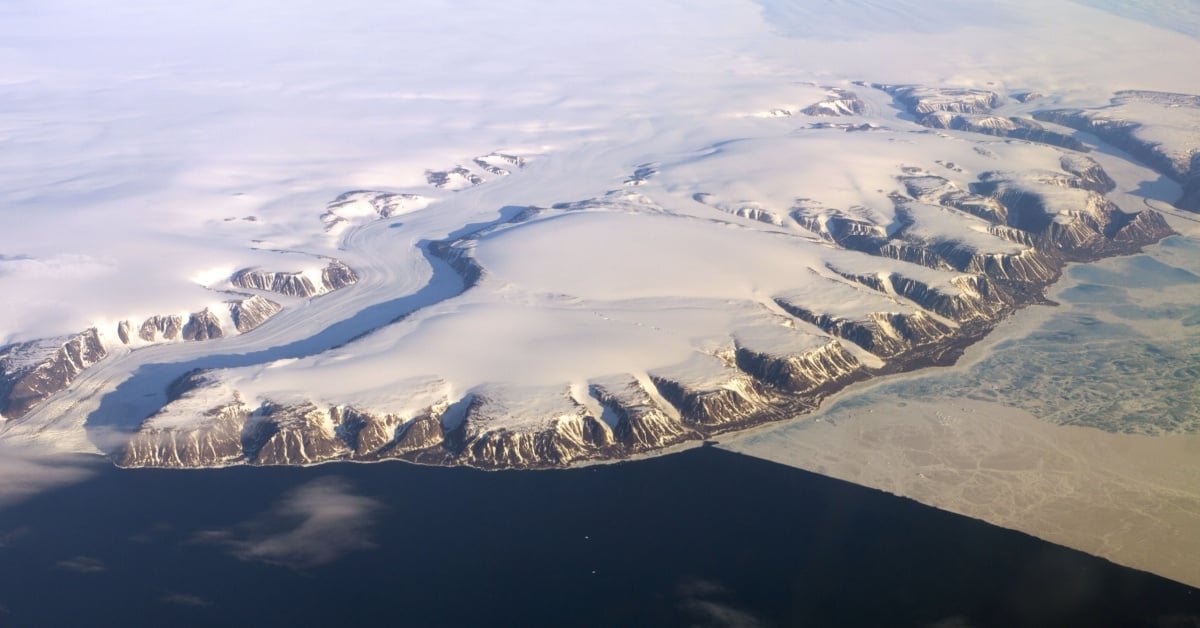
The island's population of approximately 56,000 people is concentrated along the southwest coast, leaving vast interior regions completely undeveloped. The lack of an established mining sector means skilled labor must be imported, creating additional cost and complexity. Weather conditions compound these challenges: extreme cold, limited daylight during winter months, and frequent weather disruptions that ground air travel—the only viable transportation method for many potential mining sites.
Only a handful of ports remain open year-round, all located on the southwest coast. This geographic constraint means that even if minerals are extracted, transporting them to processing facilities requires either:
- Overland transport to the limited port network (impossible for many interior sites)
- Air transport to Nuuk, Greenland's capital and only modern port
- On-site processing infrastructure (which requires even more investment)
The Processing Problem: Refinement Challenges
Extraction is only half the battle. Rare earth elements require complex chemical processing to separate individual elements from ore. This process is energy-intensive, requires specialized reagents, and generates significant waste. Greenland currently lacks the industrial infrastructure for this processing, meaning extracted minerals would need to be shipped abroad for refinement.
The alternative—building processing facilities in Greenland—would require massive capital investment in chemical plants, waste management systems, and specialized equipment. "Either option faces significant costs," Wood Mackenzie notes. The remoteness of potential mining sites exacerbates this, as building processing facilities near deposits would still require establishing power generation, water treatment, and worker accommodations in harsh environments.
Legal and Political Complications
Greenland's regulatory environment adds another layer of complexity. In 2021, Greenland passed a law banning extraction of non-uranium minerals with excessive uranium concentrations. This has stalled multiple projects, including one where site work began in 2007 but remains legally blocked because uranium levels exceed the legal limit by a factor of three.
Other projects have progressed further but remain in early stages. One site has completed only exploratory drilling, while another is projected to open a pilot facility sometime in 2026. This pilot facility plans to export rare earth minerals to the United States under a 2019 memorandum of understanding—ironically, the same cooperation framework that existed years before recent political posturing.
Local opposition presents additional challenges. Greenlandic communities show "high sensitivity to potential environmental and social impacts," according to Wood Mackenzie. This isn't merely NIMBYism—mining in the Arctic carries unique environmental risks, from permafrost disruption to potential contamination of fragile ecosystems. The island's small population means any industrial development could fundamentally alter local communities and traditional ways of life.
Economic Viability: The Cost-Benefit Analysis
The fundamental question is whether Greenland's minerals can be extracted profitably. Wood Mackenzie's analysis suggests the answer is likely no, at least compared to alternatives. "We expect these to remain major limiting factors on Greenland's ability to establish a rare earth mining sector, irrespective of whether Greenland remains a Danish territory, becomes a US territory, or looks to independence," says senior research analyst David Riley.
The reasons are straightforward:
- Capital Intensity: Building infrastructure from scratch requires "excess capital" that could be deployed more efficiently elsewhere
- Competitive Alternatives: Other regions with rare earth deposits offer similar geology with better infrastructure, available labor, and established mining sectors
- Market Dynamics: Rare earth prices fluctuate significantly, making long-term investments in high-cost jurisdictions risky
- Time Horizon: Even if development began today, meaningful production would be years away—likely a decade or more for commercial-scale operations
The Broader Context: Supply Chain Diversification
The push for Greenland's minerals stems from legitimate concerns about supply chain concentration. China currently dominates rare earth production and processing, controlling approximately 60% of global mining and 85% of processing capacity. The EU and US have identified rare earths as critical for renewable energy technologies, defense applications, and advanced electronics.
Greenland represents one potential diversification pathway, but the analysis suggests it's a challenging one. "Diversification of supply chains away from China became a key industry driver through 2025 and Greenland has the potential to become an important future supplier," Wood Mackenzie acknowledges, but the "potential" qualifier is crucial.
What This Means for Technology and Infrastructure
For the homelab builders, server administrators, and hardware enthusiasts who follow this site, Greenland's mineral challenges have direct implications:
- Rare Earth Magnets: Neodymium magnets are essential for hard drives, server cooling fans, and electric motors in data center equipment. Supply constraints could affect pricing and availability
- Battery Technology: Lanthanum and cerium are used in battery electrodes. While not as critical as lithium or cobalt, supply diversity matters for cost stability
- Catalytic Converters: Cerium is used in catalytic converters for industrial processes, including those in data center backup generators
- Optics and Electronics: Yttrium and europium are critical for phosphors in displays and specialized optical equipment
The takeaway is that while Greenland's minerals are geologically attractive, their commercial development remains distant. For the foreseeable future, supply chains will continue to rely on existing producers, with diversification efforts focused on more accessible jurisdictions like Australia, Canada, and potentially the United States (where the Pentagon recently acquired a stake in the country's only rare earths mine).
The Path Forward
Greenland's mineral story illustrates a broader pattern in resource development: geological potential doesn't guarantee commercial viability. The island's challenges—infrastructure, labor, processing, environmental concerns, and economic competitiveness—aren't unique to rare earths but are magnified by the Arctic environment and Greenland's specific circumstances.
For policymakers and industry, the lesson is that supply chain diversification requires more than identifying deposits. It demands comprehensive planning that addresses the entire value chain, from extraction through processing to end-use applications. Greenland may eventually contribute to global rare earth supplies, but that contribution will likely be modest and come at a significant cost premium.
For now, the world's rare earth supply will continue to depend on existing producers while the industry explores more feasible diversification pathways. The headlines about Greenland's mineral wealth may capture attention, but the reality on the ground—and under the ice—tells a more complex story of ambition tempered by practical constraints.
For more information on rare earth elements and their applications, see the European Union's Critical Raw Materials Act and the US Geological Survey's mineral commodity summaries.
Comments
Please log in or register to join the discussion