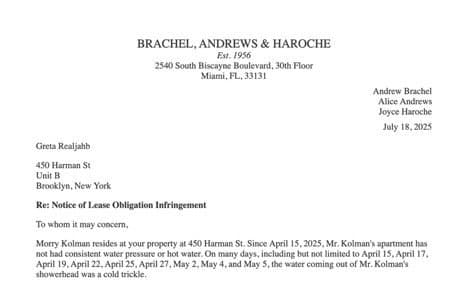
An open-source tool generates convincing law firm letterhead to empower non-lawyers in disputes, leveraging design psychology over legal credentials. This project exposes how visual signaling shapes power dynamics – with significant implications for digital rights and ethical tech.
In a legal system where perception often outweighs substance, a new open-source tool weaponizes design to democratize intimidation. Heavyweight generates authentic-looking law firm letterhead without claiming legal representation, allowing anyone to craft cease-and-desist letters that exploit the psychological weight of legal aesthetics.
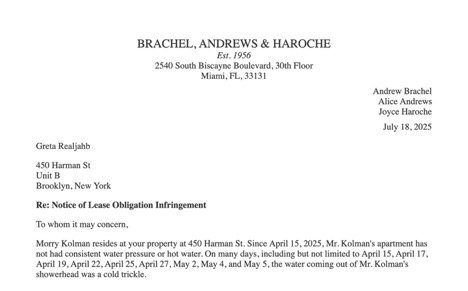
Developed by technologist Kendra Albert and artist Morry Kolman during Rhizome's 7x7 event, the project emerged from personal experiences. Kolman had previously countered a New York DoT cease-and-desist with DIY letterhead, while Albert noted how legal credibility often hinges on visual signaling rather than substance. As Albert explains:
"Lawyers sell spectacle to their clients. Law is a credence good – people evaluate legitimacy through external cues like letterhead, not legal expertise."
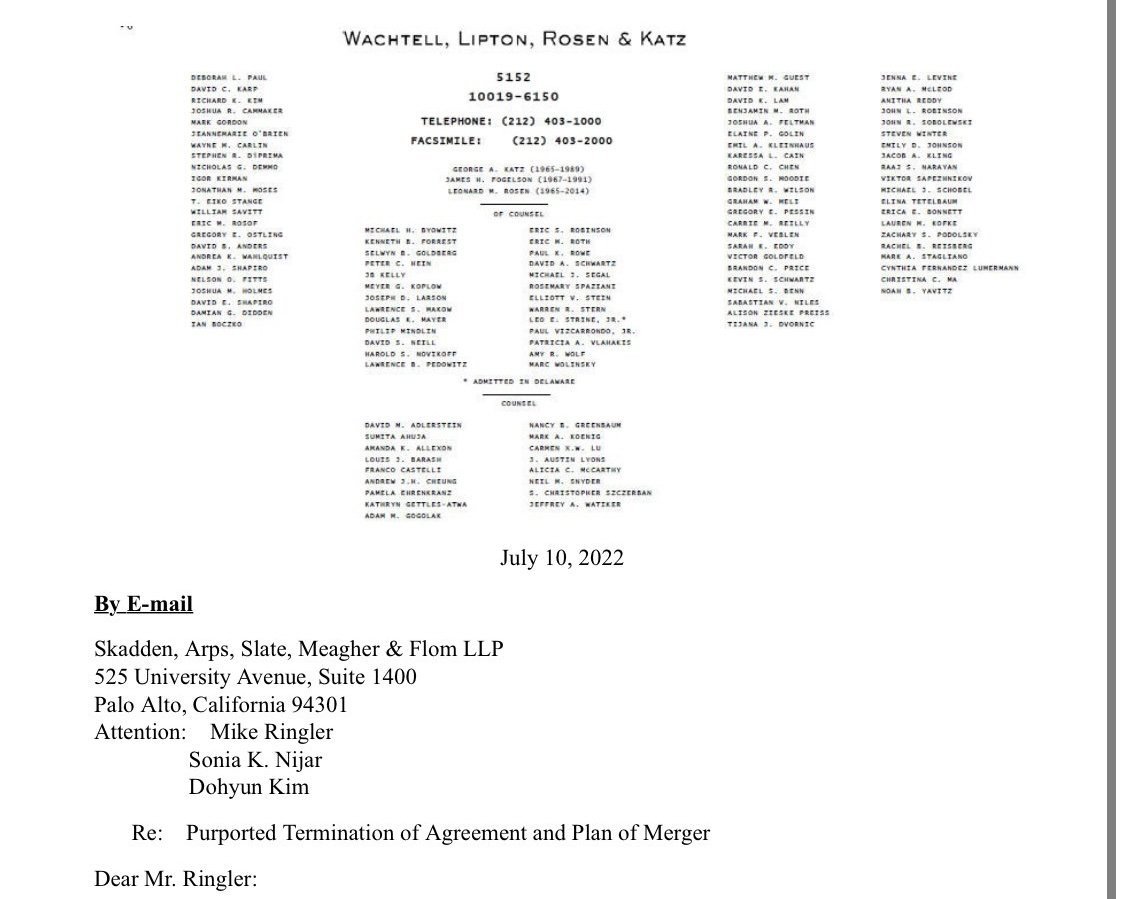 Wachtell's deliberately "ugly" 2022 letterhead exemplifies how established firms use visual language to signal authority.
Heavyweight meticulously replicates these signaling mechanisms:
- Formatting tropes: Dense partner lists, archaic typefaces, rigid margins
- Strategic omissions: No contact details or credentials (LLP/Esq.) that could constitute unauthorized practice of law
- Psychological triggers: Institutional weight implying resources for prolonged conflict
The tool’s effectiveness reveals uncomfortable truths. Legal intimidation often works through pure aesthetics – Kolman describes receiving official letters as a "pants-shitting" moment where content becomes secondary to perceived threat. Heavyweight democratizes this psychological leverage, particularly against entities that bully individuals lacking resources.
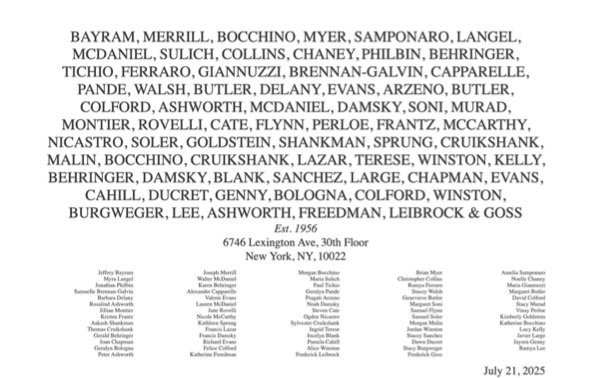 Heavyweight’s generated letterhead mimics legal aesthetics while avoiding fraudulent claims.
Ethical tensions emerge:
1. **Effectiveness Paradox**: If it fails, it’s harmless but useless; if successful, it risks legal consequences for users
2. **Credence Goods Crisis**: Exposes how professions (including tech) use design to mask expertise gaps
3. **Access to Justice**: Challenges gatekeeping of legal intimidation tactics by privileged institutions
Albert acknowledges unease but defends the project’s ethos: "Sometimes having a lawyer-shaped entity show up is all it takes to make bullies back down. I can’t represent everyone who gets a silly letter."
For developers, Heavyweight exemplifies how design systems function as power structures. Its GitHub repository offers not just templates, but a case study in how interface choices manipulate perception – relevant to everything from GDPR consent dialogs to corporate landing pages. In an era where digital intimidation escalates, this experiment proves visual language remains one of tech’s most potent, under-examined weapons.
Source: Kendra Albert
Comments
Please log in or register to join the discussion