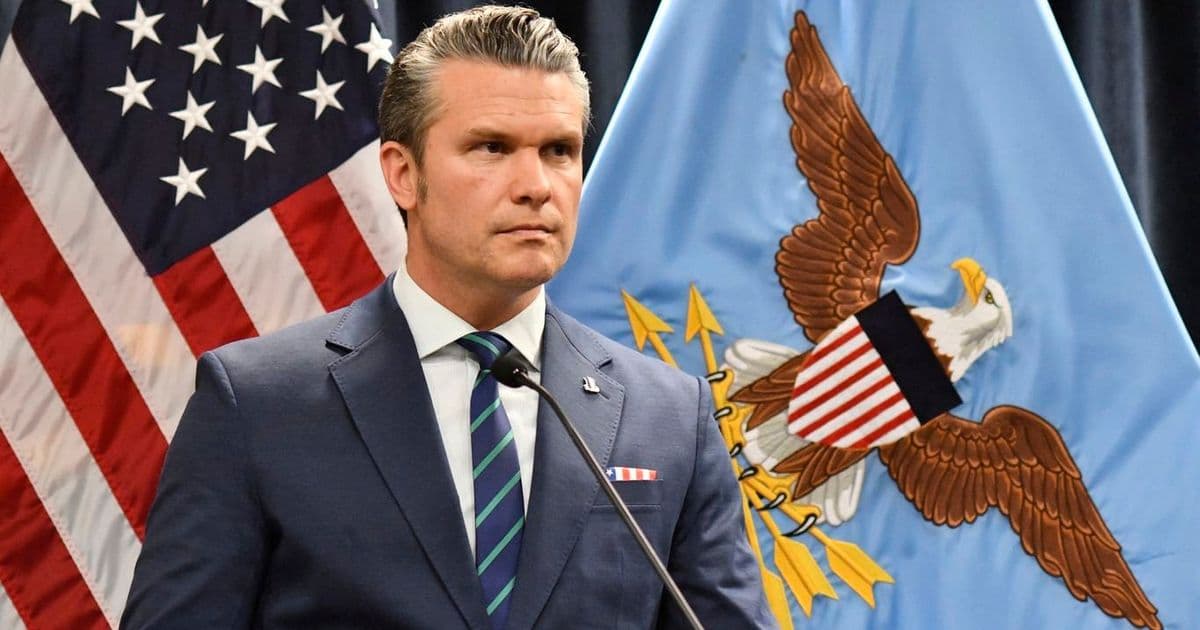
U.S. Secretary of Defense Pete Hegseth has made a controversial claim about Iran's new supreme leader, stating he is 'wounded and likely disfigured,' raising questions about the source and implications of this intelligence.
U.S. Secretary of Defense Pete Hegseth has made a startling claim about Iran's new supreme leader, stating that the religious and political figure is "wounded and likely disfigured." The assertion, which comes without official confirmation from U.S. intelligence agencies, has sparked immediate controversy and speculation about its origins and implications for Middle East stability.
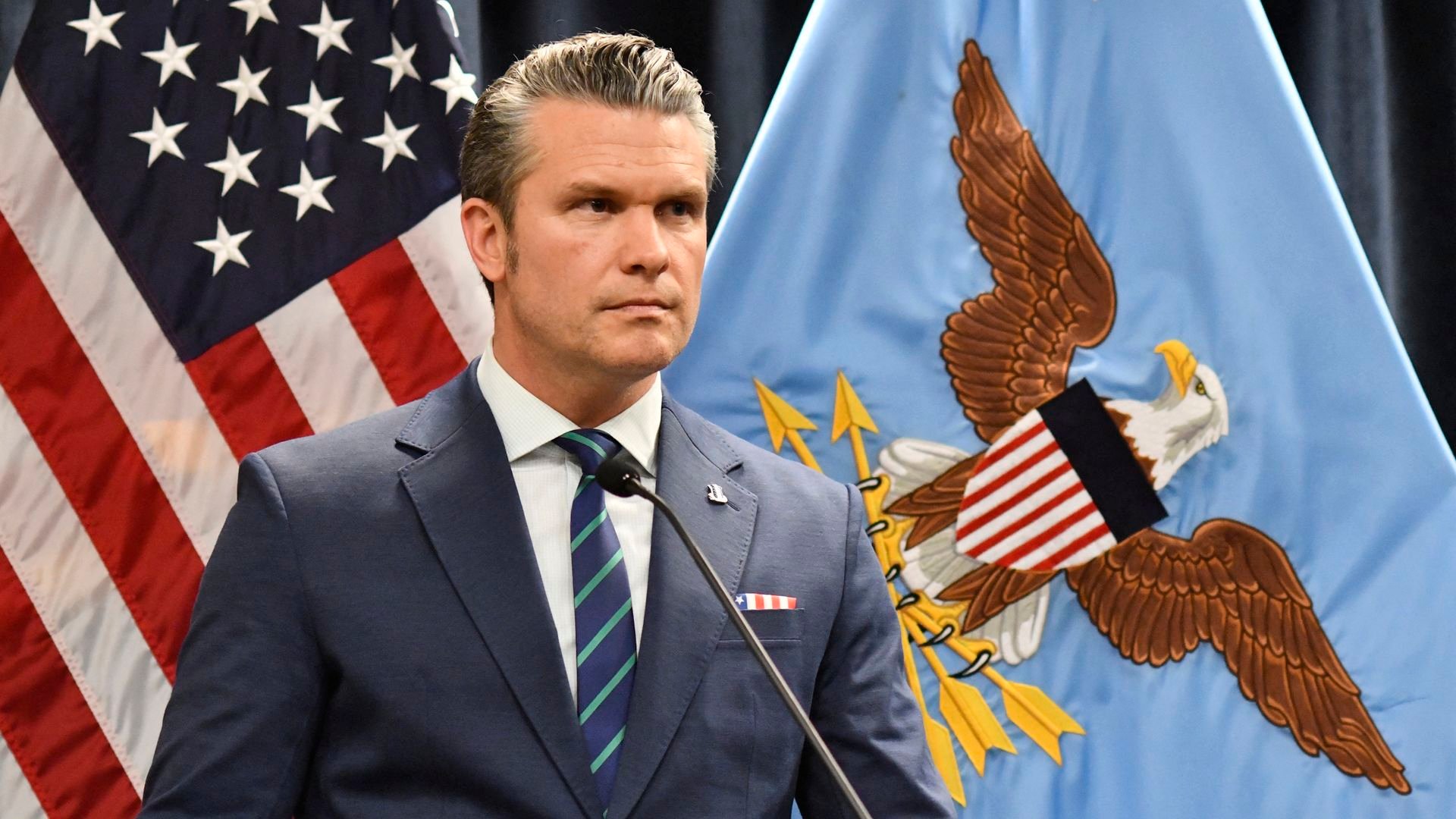
The claim was made public through diplomatic channels and has been circulating among international security analysts. Hegseth's office has not provided additional details about the source of this information or the nature of the alleged injuries. This lack of transparency has led to questions about whether the statement represents confirmed intelligence or is being used as a strategic messaging tool in ongoing tensions with Iran.
Iran has not responded publicly to the allegation, and the country's state media continues to portray the supreme leader as actively engaged in his duties. The timing of Hegseth's claim is particularly noteworthy given the current geopolitical climate, with negotiations over Iran's nuclear program remaining at a critical juncture.
Military analysts note that such claims about a nation's leadership can have significant psychological and strategic impacts. If true, questions remain about how the injuries occurred and what this means for Iran's internal power dynamics. The supreme leader holds ultimate authority over Iran's government and military decisions, making any disruption to this leadership role potentially destabilizing.
However, without verification, the claim also risks being dismissed as disinformation or psychological operations. The U.S. Department of Defense has not released any supporting evidence, and independent verification from international sources remains absent.
The controversy highlights the sensitive nature of information warfare in modern conflicts, where claims about leadership health can influence diplomatic negotiations, market reactions, and military planning. As tensions between the United States and Iran continue to fluctuate, the veracity and motivation behind such claims will likely face intense scrutiny from both allies and adversaries.
Comments
Please log in or register to join the discussion