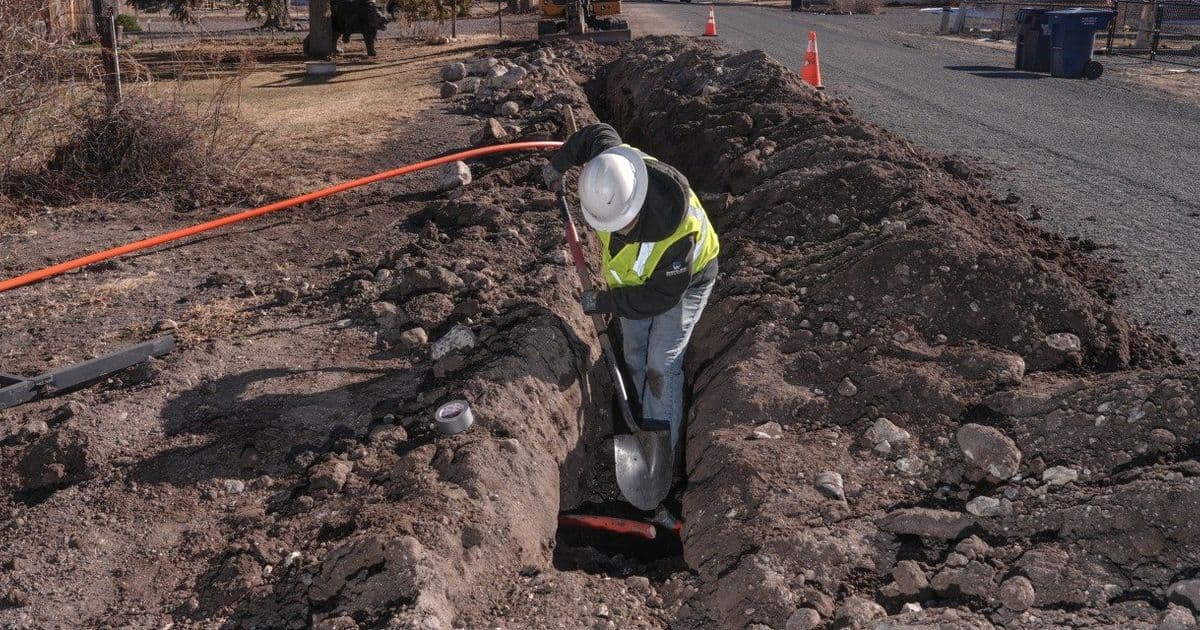
The US push for high-speed internet infrastructure is creating a labor crunch, with physically demanding jobs like drilling, line work, and fiber splicing seeing significant wage increases as demand surges.
The nationwide push to expand high-speed internet access is creating a labor shortage that's driving up wages for the skilled tradespeople who make it happen. Drillers, linemen, and splicers—the workers who physically install fiber-optic cables and build the infrastructure for broadband—are seeing their pay soar as demand for their services reaches record levels.
The labor crunch comes as federal and state governments pour billions into broadband infrastructure projects, aiming to connect underserved communities and upgrade existing networks. This massive infrastructure buildout requires thousands of workers to perform physically demanding tasks: drilling through rock and soil, climbing utility poles, and splicing delicate fiber-optic cables.
Industry sources report that wages for these positions have increased by double-digit percentages in many regions, with some experienced splicers commanding salaries that rival white-collar professionals. The shortage is particularly acute in rural areas where broadband deployment is most needed, creating a bottleneck that threatens to slow the rollout of high-speed internet to millions of Americans.
The situation reflects a broader challenge in the tech infrastructure sector: while much attention focuses on software developers and AI engineers, the physical infrastructure that enables digital connectivity depends on a workforce of skilled tradespeople whose numbers haven't kept pace with demand. As the US races to close the digital divide, the shortage of workers who can actually build the physical networks may become one of the biggest obstacles to achieving universal broadband access.
Comments
Please log in or register to join the discussion