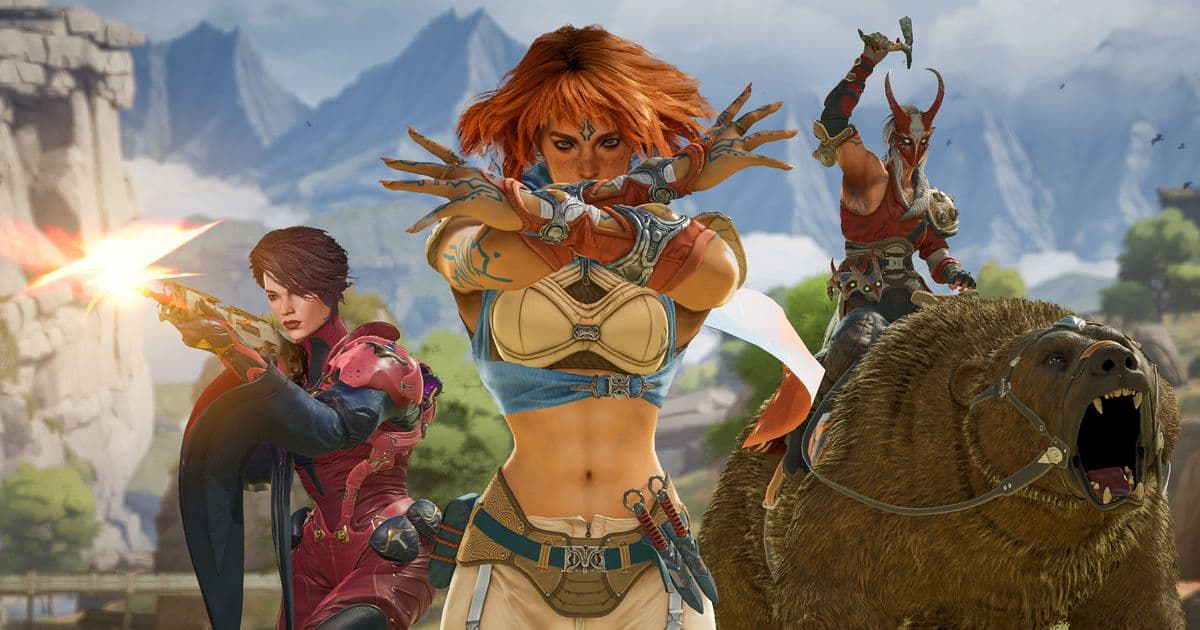
Highguard developer Josh Sobel's attempt to blame negative reviews on "toxic positivity" and "ragebait" content creators has backfired, drawing criticism from prominent streamers and players alike.
The launch of Highguard, a free-to-play hero shooter from Studio Wildlight, has been marred by controversy following a post-mortem from developer Josh Sobel that appeared to shift blame for the game's poor reception onto players and content creators.
Initial Reception and Studio Layoffs
Highguard entered the market with what many considered an uphill battle. Popular streamer Shroud, while giving the game a relatively measured review, noted it was "already starting off on the back foot" with pre-existing negative sentiment. The game's performance issues and first impressions became common talking points across gaming communities.
Two weeks after launch, the situation took a dramatic turn when a senior level designer at Wildlight revealed via LinkedIn that "most of the team" had been laid off, raising questions about the studio's future and the game's long-term support.
The Developer's Response
Josh Sobel, one of Highguard's developers, took to social media platform X (formerly Twitter) with a lengthy post titled "Reflecting on shipping my first game (Highguard)." In what appeared to be a direct response to criticism from popular YouTuber Asmongold—who had dubbed the game "Concord 2"—Sobel detailed the team's journey from optimistic pre-reveal expectations to post-launch disappointment.
"After 2.5 years of passionately working on Highguard, we were ready to reveal it to the world. The future seemed bright," Sobel wrote, describing the team's mindset before The Game Awards reveal. He expressed frustration that the positive feedback from friends, family, and internal sources didn't translate to public reception.
Content Creator Backlash
The gaming community, particularly content creators, were quick to push back against Sobel's narrative. Asmongold, known for his direct commentary, dedicated significant time to dismantling the developer's arguments in a video response.
"You really think that all of your friends and family are gonna tell you that your games bad? No. They're gonna look on the bright side, they're gonna try to see the good things, and they're gonna try and put a positive spin on it to make you happy," Asmongold countered, addressing the "toxic positivity" claim.
Asmongold also challenged Sobel's assertion that content creators primarily post negative "ragebait" for engagement. "Everybody loves Baldur's Gate 3, you wanna know how to get views, talk about Baldur's Gate 3 is good," he explained, demonstrating that positive coverage of well-received games drives significant engagement.
The "Blame the Gamers" Playbook
The controversy highlights a growing tension in the gaming industry between developers and players. This incident follows a pattern where studios, facing negative reception, attempt to shift responsibility onto their audience rather than addressing legitimate concerns about their product.
Sobel's post specifically mentioned "14k review bombs from users with less than an hour of playtime," suggesting that many negative reviews came from players who hadn't fully experienced the game. However, critics argue this misses the point that first impressions—often formed within the first hour—are crucial for a game's success.
Industry Implications
The Highguard situation serves as a cautionary tale about developer-community relations. When studios adopt what's being called the "blame it on the gamers" playbook, they risk alienating the very audience they need to succeed. The harsh backlash against Sobel's comments suggests that players are increasingly unwilling to accept deflection of responsibility from developers.
This incident also raises questions about the sustainability of the hero shooter genre, which has seen multiple high-profile failures in recent years. With Highguard following in the footsteps of games like Concord, developers may need to reconsider their approach to both game design and community engagement.
Looking Forward
As Highguard continues to receive updates and patches—the very improvements Shroud hoped would address initial issues—the damage to the game's reputation may already be done. The controversy surrounding Sobel's post has likely cemented negative perceptions that will be difficult to overcome, regardless of the game's actual quality improvements.
The situation underscores the importance of humility and accountability in game development. Rather than blaming players for not appreciating their vision, developers might find more success in acknowledging shortcomings, engaging constructively with feedback, and demonstrating a genuine commitment to improvement.
The gaming community will be watching closely to see how Studio Wildlight responds to this crisis and whether Highguard can recover from both its technical issues and the reputational damage caused by its developers' public response to criticism.
Comments
Please log in or register to join the discussion