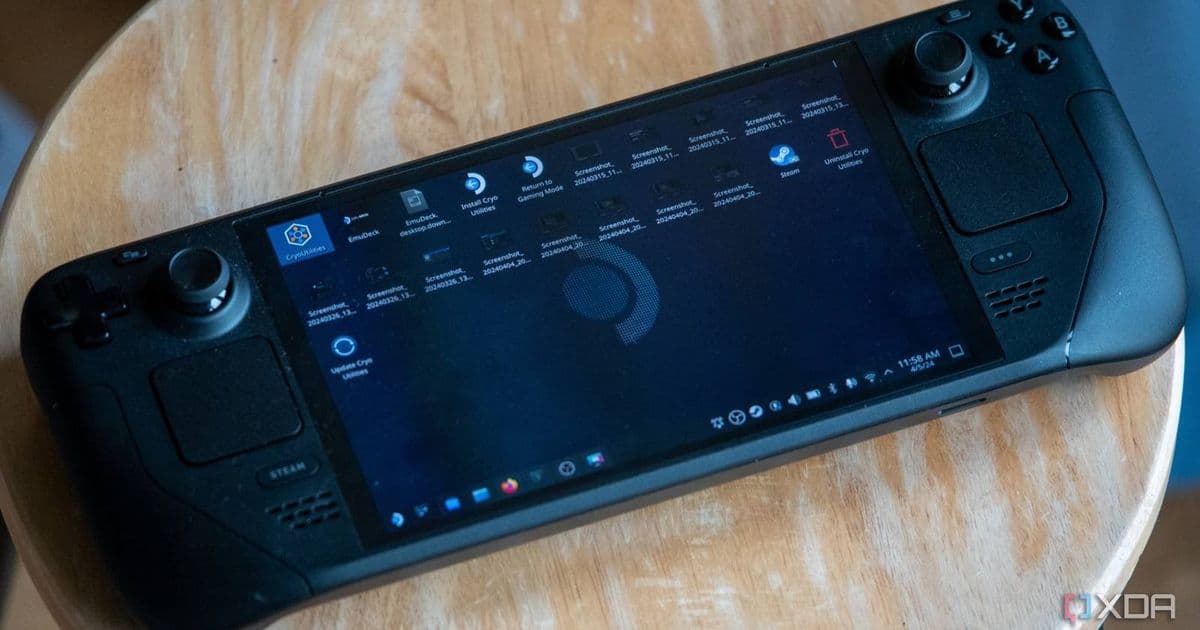
Valve acknowledges intermittent Steam Deck OLED shortages in key markets due to global memory and storage supply constraints, with potential pricing implications for upcoming hardware.
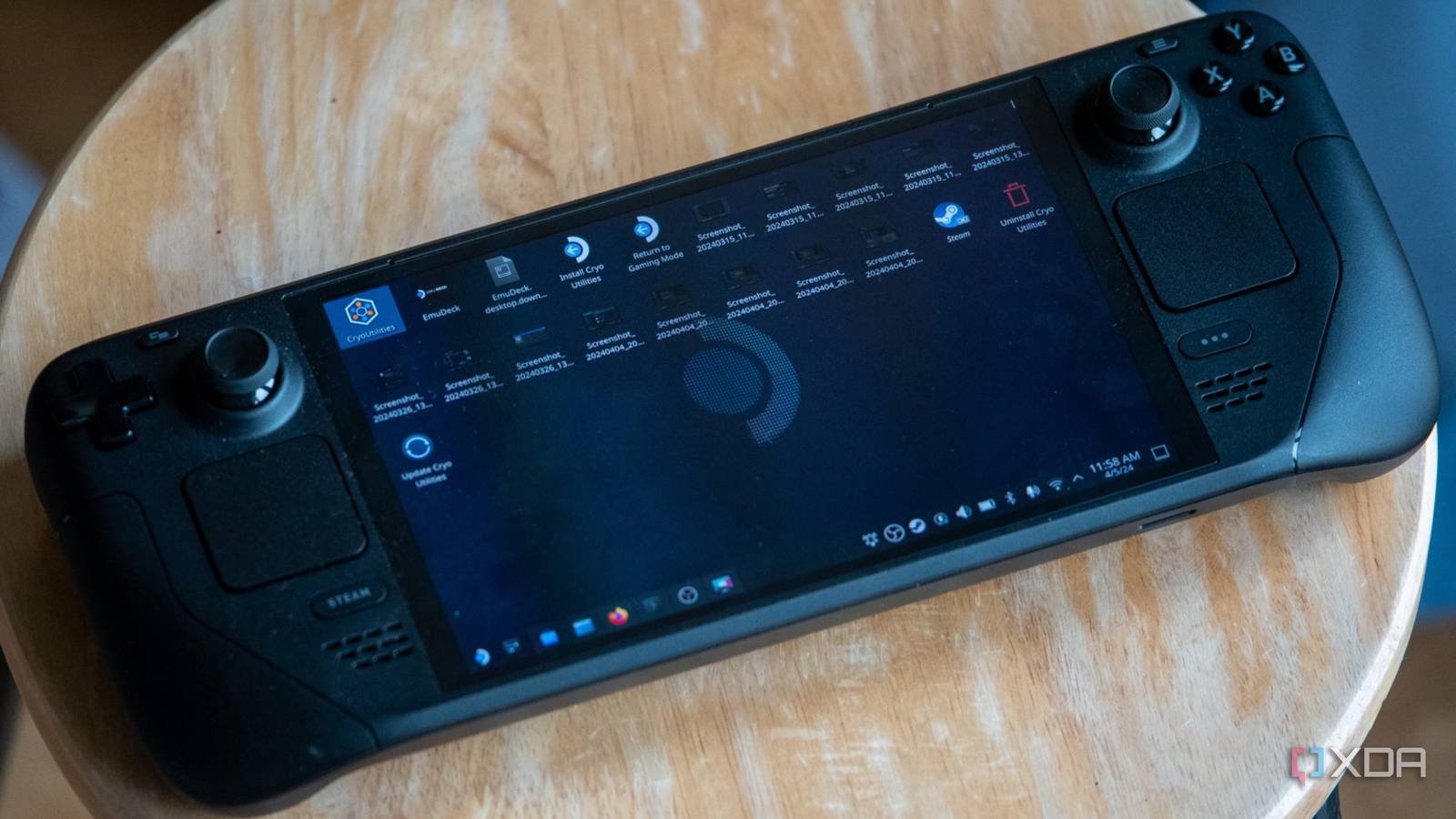
Valve has officially confirmed supply constraints affecting its Steam Deck OLED handheld gaming PC, citing global shortages of memory and storage components as the primary cause. This announcement comes after weeks of intermittent stock outages across Valve's regional storefronts.
According to Valve's updated Steam Deck product page, "Steam Deck OLED may be out-of-stock intermittently in some regions due to memory and storage shortages." Current availability shows the OLED models completely sold out in US and Asian markets, though European inventories remain available at time of publication. Consumers are advised to check regional availability for real-time updates.
The OLED model features significant hardware upgrades over its LCD predecessor, including a 90Hz HDR OLED display, 6nm AMD APU with improved efficiency, larger 50Wh battery, and upgraded Wi-Fi 6E capabilities. These enhancements rely on LPDDR5 memory modules and NVMe storage components that are currently constrained in the global supply chain.
Valve separately confirmed the permanent discontinuation of the 256GB LCD model, noting that remaining inventory represents the final production run. This move positions the OLED as Valve's flagship handheld, making its supply constraints particularly impactful.

The component shortage extends beyond Steam Deck availability. Valve acknowledged reassessing pricing for upcoming hardware projects including the Steam Machine console and Steam Frame display due to the same supply chain pressures. This may result in delayed launches and potential price increases, particularly for the Steam Machine which Valve previously confirmed wouldn't receive hardware subsidies.
These developments occur against a backdrop of industry-wide component shortages affecting mobile and portable devices. The Steam Deck ecosystem relies on Valve's SteamOS 3.0 – a Linux-based operating system optimized for handheld gaming that enables Windows game compatibility through Proton compatibility layers. Supply constraints could impact software development momentum as hardware accessibility influences developer support.
For consumers, this represents both immediate availability challenges and potential long-term pricing implications across Valve's hardware ecosystem. While existing Steam Deck owners remain unaffected, those seeking entry into the platform may face extended wait times until component supplies stabilize.
Comments
Please log in or register to join the discussion