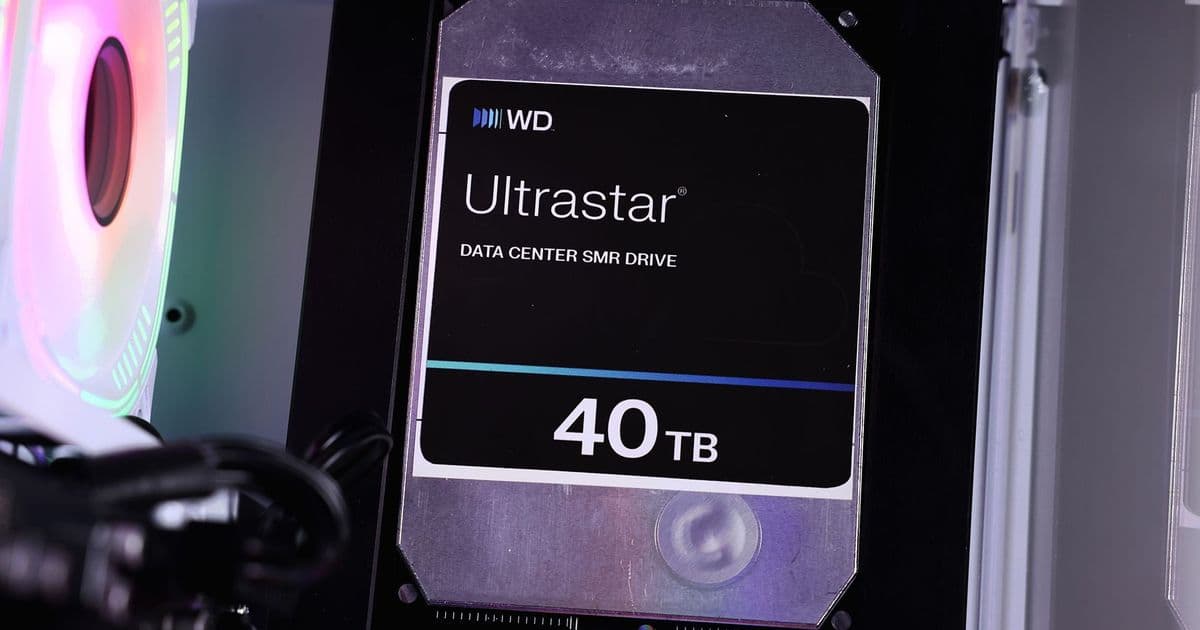
Western Digital has fully allocated its hard drive manufacturing capacity through 2026 with firm purchase orders from top customers, while securing long-term agreements extending to 2028, as AI infrastructure demands reshape storage supply chains.
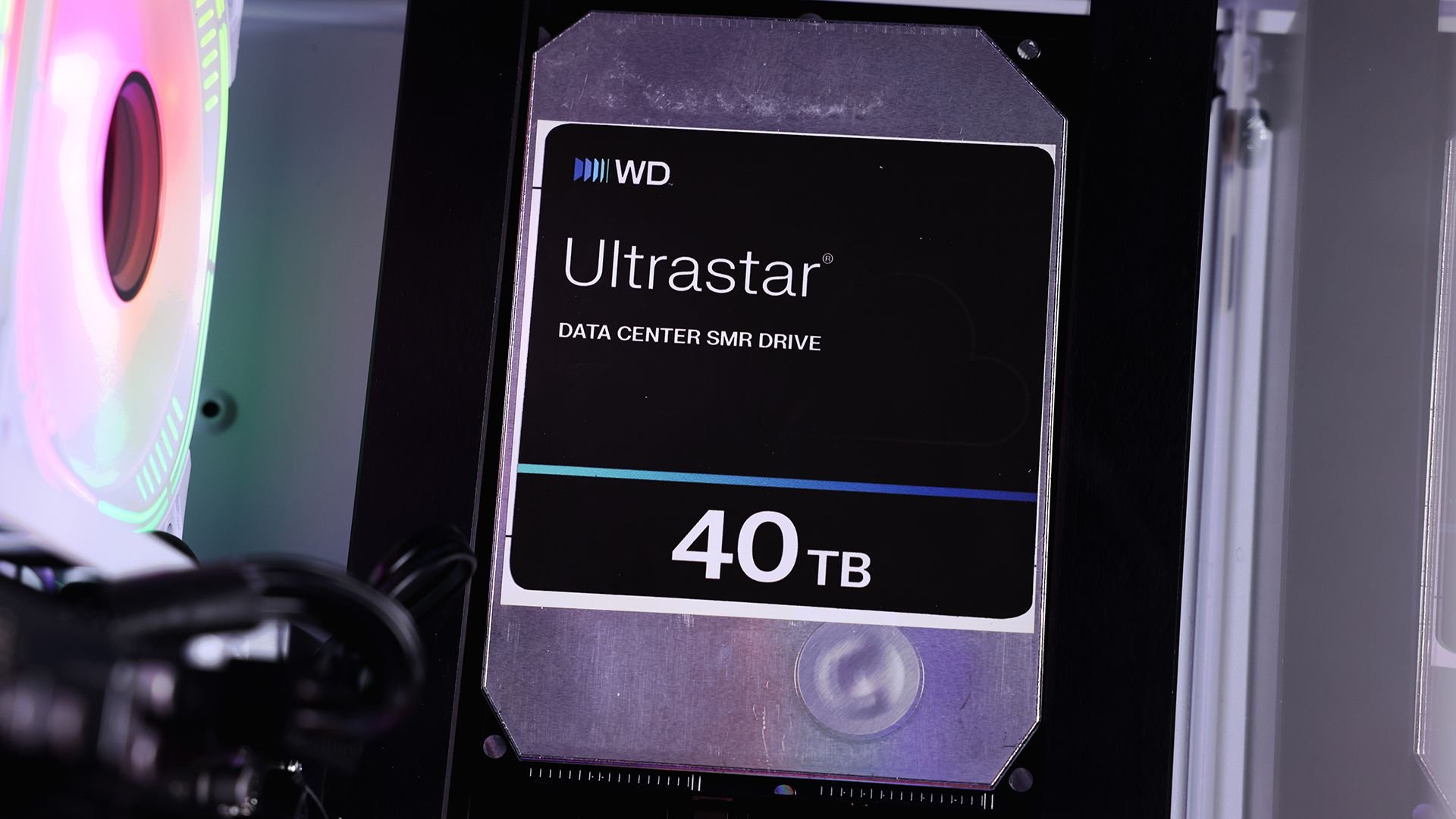
Western Digital has reached full allocation of its hard disk drive (HDD) manufacturing capacity for calendar year 2026, with CEO Irving Tan confirming the company has secured firm purchase orders covering its entire production pipeline. During the company's Q2 2026 earnings call, Tan revealed that long-term agreements (LTAs) are already in place extending through 2027 and 2028 with major customers, signaling unprecedented demand visibility in the storage sector.
"We're sold out for calendar 2026 with firm purchase orders from our top seven customers," Tan stated in the earnings transcript. "We've established LTAs with two customers for 2027 and one for 2028. These agreements include binding commitments for both exabyte volumes and pricing structures."
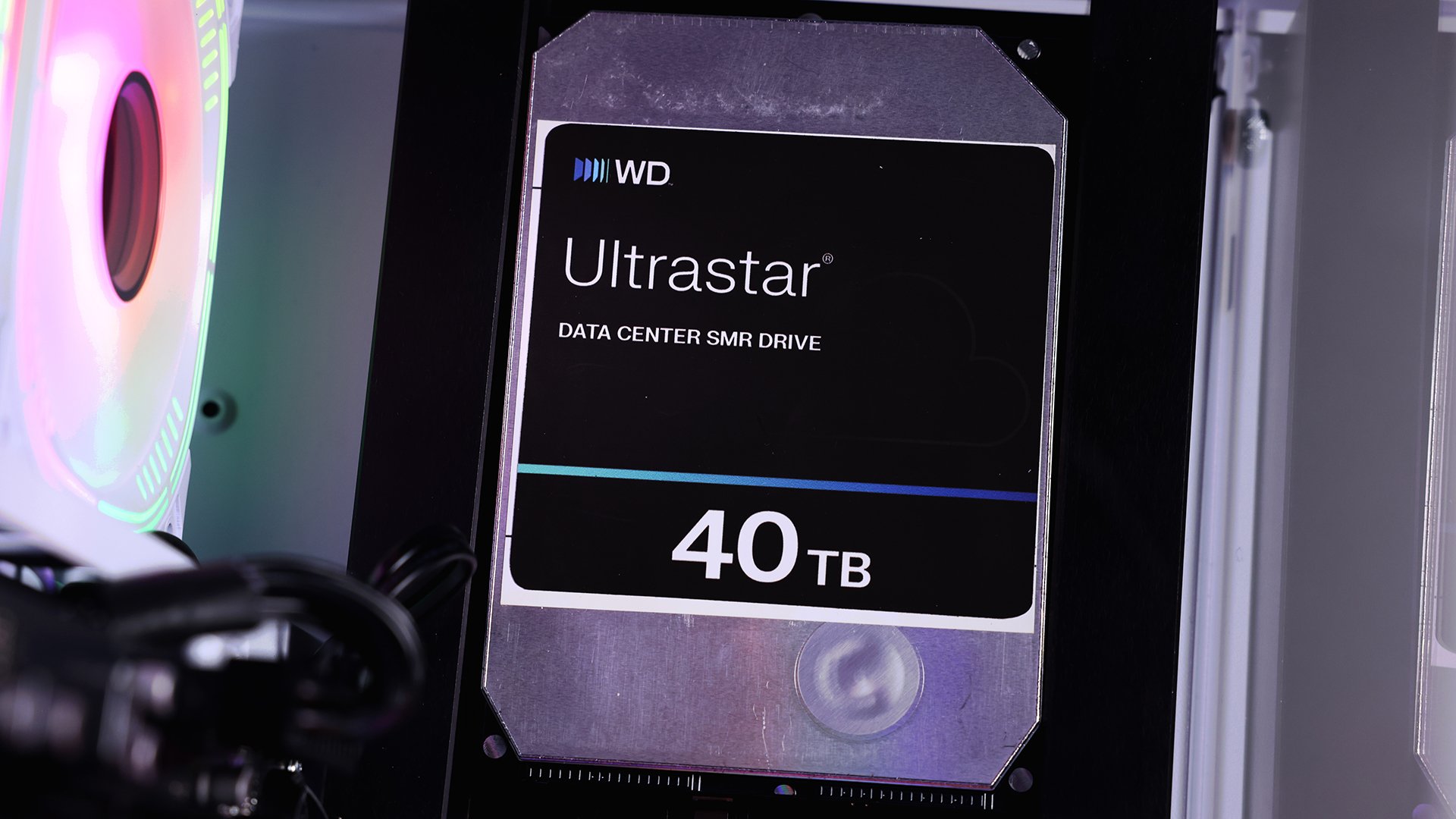 Image: Western Digital (Credit: Western Digital)
The announcement validates industry reports from late 2025 indicating HDD backorders stretching two years into the future. Supply chain analysis shows this demand surge originates primarily from hyperscale data centers building AI infrastructure, with Western Digital's financials confirming the trend: 89% of Q2 revenue derived from cloud customers versus just 5% from consumer sales.
Technical drivers for this shift include:
- Cost Efficiency: HDDs maintain approximately 1/16th the price per terabyte of equivalent SSDs, with Q2 2026 pricing showing $0.015/GB for enterprise HDDs versus $0.24/GB for SSDs
- Capacity Scaling: 22TB+ HDDs using energy-assisted magnetic recording (EAMR) technology deliver optimal storage density for cold data repositories
- Supply Constraints: HDD prices have increased 46% on average since September 2025 due to component shortages
Market implications show enterprise customers securing supply through LTAs while consumer markets face constraints. This mirrors the strategic shift among memory manufacturers prioritizing high-bandwidth memory (HBM) for AI accelerators over commodity DRAM. NAS systems and archival storage solutions—still reliant on high-capacity HDDs—face immediate availability challenges, with industry analysts projecting consumer HDD prices could increase another 20-30% by Q4 2026.
The storage shortage represents the latest ripple effect in the AI infrastructure buildout, following GPU allocation issues in 2024 and NAND flash constraints throughout 2025. Supply chain data indicates HDD manufacturing capacity remains constrained by actuator arm and media production bottlenecks, with no major fab expansions scheduled before 2027.
 Jowi Morales is a contributing writer with extensive experience covering semiconductor markets and storage technologies.
Comments
Please log in or register to join the discussion