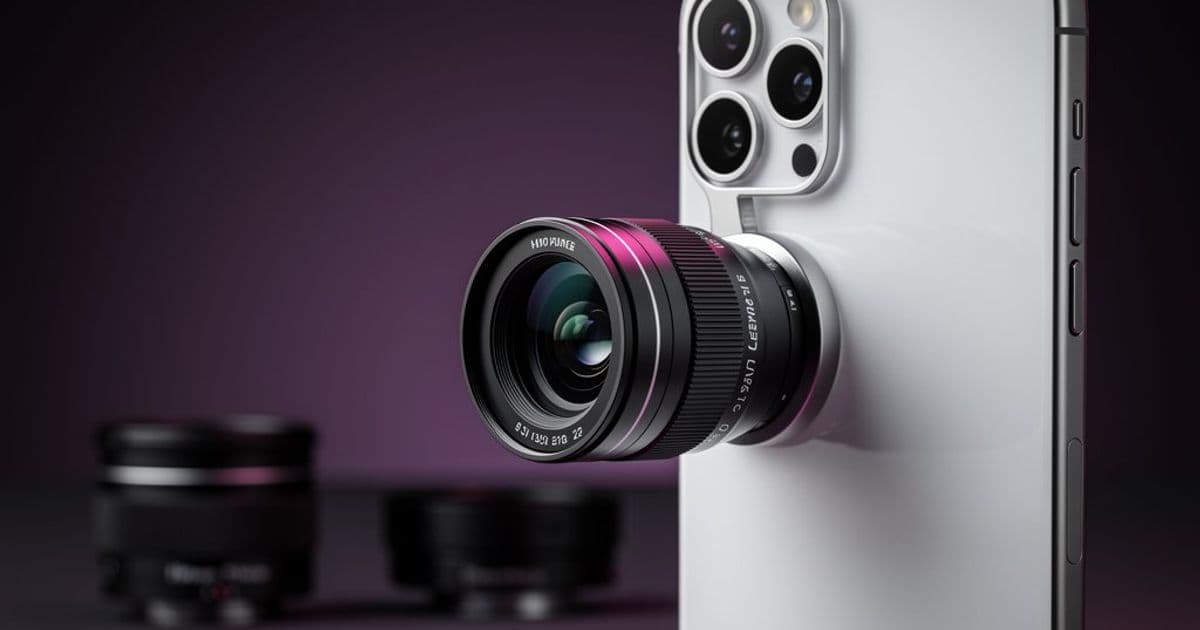
Honor is the latest smartphone brand to adopt a detachable telephoto extender lens, following Oppo and vivo into a niche but growing ecosystem of modular camera accessories for mobile photography.
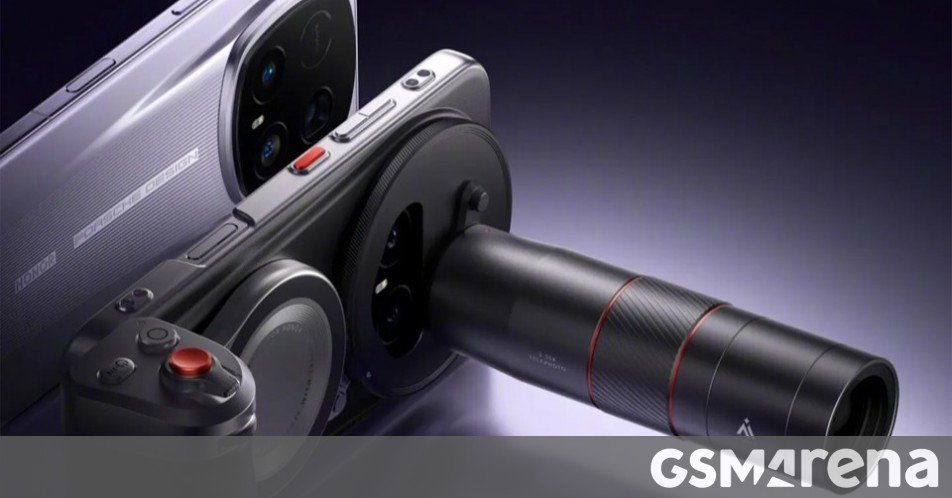
The telephoto extender lens, once a specialized tool for mirrorless cameras, is rapidly becoming a standard accessory in the high-end smartphone ecosystem. Honor has now confirmed it will join the trend, announcing via its official Weibo channel that the upcoming Magic8 RSR Porsche Design edition will support an add-on telephoto extender lens. This positions Honor alongside Oppo and vivo, both of which have already launched smartphones with similar modular camera accessories.
The announcement, made on January 17, 2026, reveals that the telephoto extender will be part of a dedicated camera kit for the Magic8 RSR Porsche Design. According to Honor's shared materials, the add-on lens provides a 2.35x optical zoom extension. This is a significant multiplier, effectively turning the phone's native telephoto capability into a much more powerful super-telephoto system. For context, if the phone's built-in telephoto lens offers a 5x optical zoom, the extender would push that to approximately 11.75x optical zoom, all without the digital degradation associated with purely software-based zoom.
The Rising Trend of Modular Camera Systems
Honor's move into telephoto extenders follows a pattern established by its Chinese competitors. Oppo led the charge with the Find X9 Pro, which launched with an official telephoto extender accessory. Vivo quickly followed with the X300 Pro, which also supports a similar lens attachment. These systems are not mere gimmicks; they address a fundamental limitation in smartphone photography: the physical space constraints that prevent manufacturers from equipping phones with truly long optical zoom lenses.
Traditional smartphone camera modules are constrained by thickness. A periscope telephoto lens, which bends light 90 degrees using a prism, is already a complex engineering feat. Extending the focal length further requires more glass elements and longer light paths, which would make phones unacceptably thick. The modular approach sidesteps this by allowing users to attach a dedicated optical element when they need extreme zoom, keeping the phone's profile slim for everyday use.
The trade-off is clear: convenience versus capability. The extender adds bulk and requires the user to carry an additional accessory. It also introduces a potential point of failure—alignment, dust ingress, and the physical connection between the lens and the phone. However, for mobile photographers and enthusiasts, the image quality gains can be substantial. Digital zoom, even on advanced phones, relies on cropping and AI upscaling, which can introduce noise and lose detail. A true optical extender preserves resolution and clarity.
What This Means for the Smartphone Ecosystem
The adoption of telephoto extenders by multiple brands signals a shift in how manufacturers approach camera innovation. Instead of trying to cram every possible focal length into a single, fixed camera array, they are creating ecosystems of accessories. This mirrors the approach of professional photography, where lenses are interchangeable based on the shooting scenario.
For consumers, this creates a new layer of ecosystem lock-in. A telephoto extender designed for the Honor Magic8 RSR Porsche Design will not work with an Oppo Find X9 Pro or a vivo X300 Pro. Each brand's optical design, mounting mechanism, and software calibration are proprietary. This means choosing a phone now involves considering not just the device itself, but the available accessories and the brand's commitment to supporting them in future models.
The software integration is also critical. When a telephoto extender is attached, the phone's camera app must recognize it and adjust its processing accordingly. This includes calibrating for any optical aberrations introduced by the extender and optimizing the zoom range in the interface. Honor will need to demonstrate that its software can handle this seamlessly, providing a user experience that feels integrated rather than tacked on.
The Road Ahead: January 19 Launch
The Honor Magic8 RSR Porsche Design is set to launch on January 19 in China, alongside the Magic8 Pro Air. This launch event will provide the first detailed look at the phone's specifications, the design of the telephoto extender, and its pricing. The inclusion of "RSR Porsche Design" in the name suggests a premium, co-branded edition, likely featuring unique materials and finishes, which could also extend to the camera kit.
As the market for high-end smartphones becomes increasingly saturated, manufacturers are looking for differentiators. The telephoto extender is one such differentiator, targeting a specific segment of users who prioritize camera flexibility over absolute thinness. It remains to be seen whether this trend will expand beyond the Chinese market and whether global brands like Samsung or Apple will adopt similar modular approaches.
For now, the competition in this niche is heating up. With Oppo, vivo, and now Honor all in the game, the telephoto extender is moving from a novelty to a recognized feature in the flagship smartphone landscape. The January 19 launch will be a key moment to see if Honor's implementation can stand out in a rapidly crowded field.
Source: Honor Weibo Announcement (Chinese) Related: Oppo Find X9 Pro Review, vivo X300 Pro Review, Honor Magic8 Pro Review
Comments
Please log in or register to join the discussion