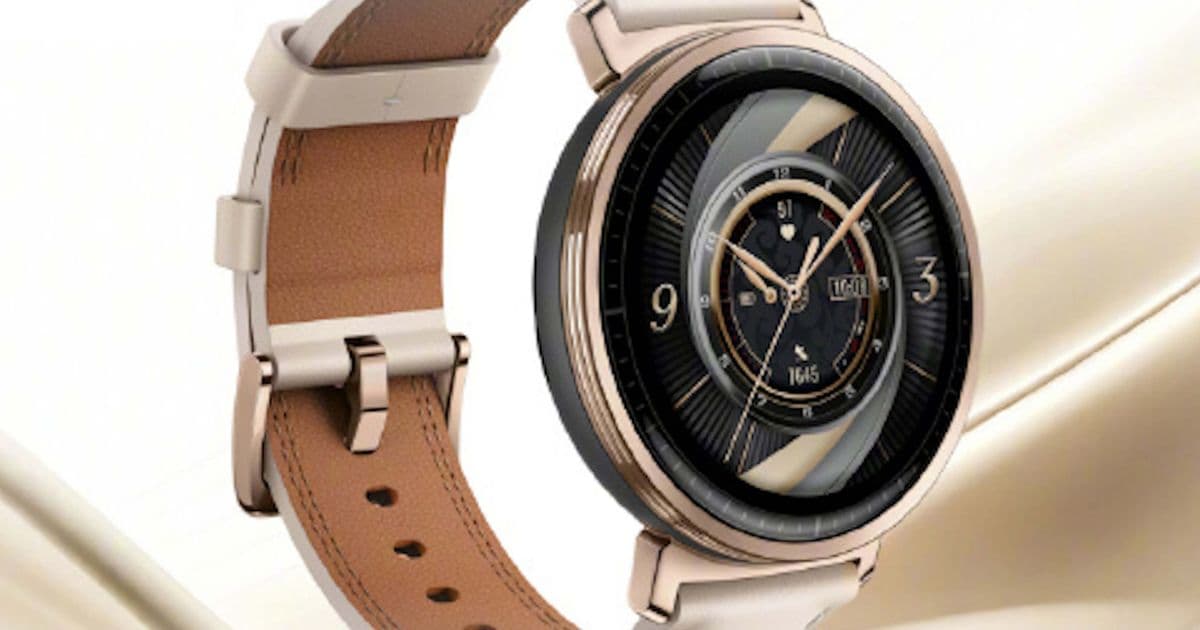
Honor's upcoming Watch GS 5 smartwatch promises to measure the heart's deceleration capacity—a parameter not tracked by Apple Watch or Garmin devices—though its medical certification status remains unclear.
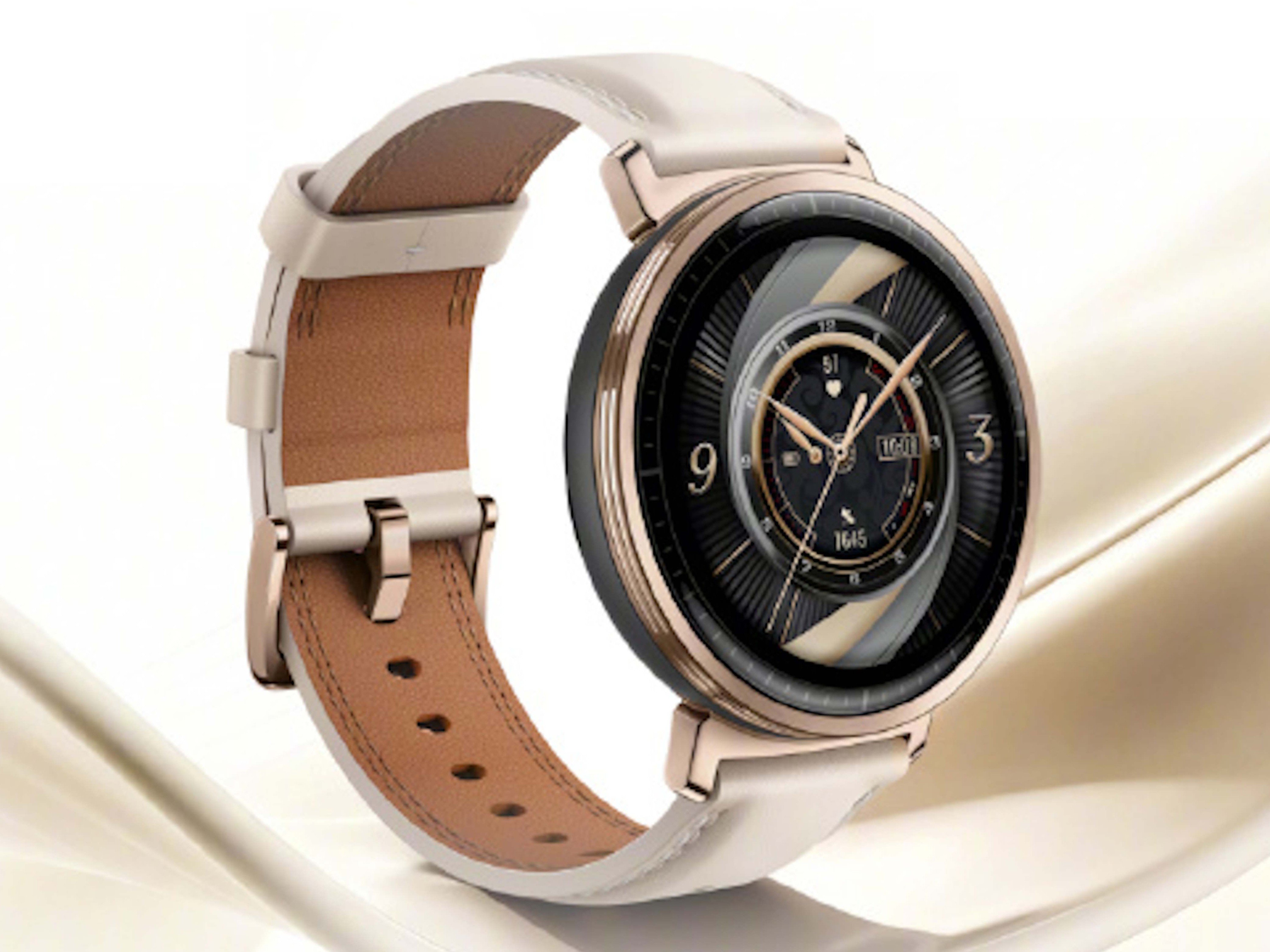
Honor has announced the Watch GS 5 smartwatch, set to begin preorders on January 19 in China, with a potential European launch to follow. While full specifications and pricing haven't been disclosed, the company is emphasizing a novel cardiovascular monitoring feature that sets it apart from established competitors like Apple and Garmin.
What's New: Deceleration Capacity Monitoring
The Watch GS 5 weighs 0.92 ounces (26 grams) and measures 0.39 inches (10mm) thick, with battery life advertised at up to 23 days. However, the most significant innovation is its focus on assessing cardiovascular risk through "deceleration capacity" measurement.
Deceleration capacity represents the heart's ability to slow down in response to specific physiological signals. In medical literature, this parameter has been studied as an indicator of autonomic nervous system function and cardiovascular health. Unlike standard heart rate monitoring or ECG analysis, deceleration capacity provides a different perspective on cardiac function—specifically, how effectively the heart can decelerate, which may relate to parasympathetic nervous system activity.
Honor claims this feature can "effectively warn of an impending cardiac arrest," though this assertion requires careful examination. The company hasn't provided details about the algorithm's accuracy, clinical validation, or regulatory approval status.
How It Compares to Existing Smartwatch Health Monitoring
Apple Watch focuses on several cardiovascular metrics:
- ECG (electrocardiogram) for atrial fibrillation detection
- Blood oxygen monitoring
- Irregular rhythm notifications
- Heart rate variability (HRV) tracking
- Fall detection and emergency SOS
Garmin devices emphasize fitness-oriented metrics:
- Stress tracking via HRV
- Body Battery energy monitoring
- Pulse Ox blood oxygen saturation
- Advanced sleep monitoring
- Training status and recovery metrics
Neither platform currently advertises deceleration capacity as a monitored parameter. This represents a potential differentiator for Honor, though the clinical significance and practical utility remain to be proven through independent testing.
Medical Certification and Regulatory Considerations
The article notes uncertainty about whether the Watch GS 5 will receive medical device certification in Europe and other regions. This is a critical distinction:
- Medical devices undergo rigorous testing for accuracy and safety, receive regulatory approval (FDA in the US, CE marking in Europe), and can make specific health claims.
- Consumer wellness devices provide general health information but cannot diagnose or predict medical conditions.
If Honor's deceleration capacity feature aims to warn of "impending cardiac arrest," it would likely require medical device certification. Without this, such claims could be misleading or potentially dangerous if users rely on them for critical health decisions.
Technical Implementation Questions
Several technical aspects remain unclear:
Measurement Method: How does the watch calculate deceleration capacity? Does it use photoplethysmography (PPG) sensors, or does it require additional hardware?
Algorithm Validation: Has Honor validated the algorithm against clinical gold standards? What's the sensitivity and specificity for detecting actual cardiovascular events?
User Interface: How will the feature present data to users? Will it provide numerical scores, trend analysis, or alert-based notifications?
Integration with Healthcare: Can the data be exported for physician review? Does it integrate with electronic health records?
Practical Buyer Considerations
For potential buyers, several factors warrant consideration:
Advantages:
- Potential for novel cardiovascular insights not available elsewhere
- Long battery life (23 days) exceeds most competitors
- Lightweight design suitable for continuous wear
Uncertainties:
- Lack of detailed specifications (processor, memory, sensor array)
- Unknown accuracy of the deceleration capacity measurement
- Unclear medical certification status
- Limited availability outside China initially
Competitive Landscape: If the feature proves clinically valid and receives proper certification, Honor could establish a unique position in the wearable health market. However, established players like Apple and Garmin have extensive R&D budgets and clinical partnerships that ensure their health features meet regulatory standards.
Broader Context in Wearable Health Technology
The push toward more sophisticated health monitoring reflects the broader trend of wearables moving from fitness tracking to medical-grade monitoring. Companies like Apple have invested heavily in clinical validation, partnering with research institutions and pursuing FDA clearances.
Honor's approach with deceleration capacity monitoring represents an alternative path—focusing on a less-explored parameter rather than competing directly on established metrics like ECG or SpO2. If successful, this could encourage other manufacturers to explore novel physiological measurements.
However, the wearable health market faces significant challenges:
- Clinical Validation: New metrics require extensive studies to prove their predictive value
- Regulatory Hurdles: Medical device approval is expensive and time-consuming
- User Education: Novel metrics require clear explanation to avoid misinterpretation
- Data Privacy: Health data requires robust protection and transparent handling
Availability and Future Prospects
The Watch GS 5's Chinese preorder begins January 19, with European availability "somewhat plausible" given Honor's existing presence there. The company has previously sold wearables in Europe, including the Honor Watch GS 3 and Honor Magic Watch 2.
Pricing details will be crucial for market positioning. If Honor can offer this advanced feature at a competitive price point, it could attract health-conscious consumers seeking more comprehensive monitoring than standard fitness trackers provide.
The Bottom Line
The Honor Watch GS 5 introduces a potentially innovative approach to cardiovascular monitoring through deceleration capacity measurement. While this parameter has medical literature support, its implementation in a consumer wearable requires careful validation and regulatory approval.
For now, interested buyers should approach Honor's claims with appropriate skepticism until independent reviews and clinical validation data become available. The wearable's true value will depend on the accuracy of its novel measurement, the clarity of its data presentation, and its ability to provide actionable insights rather than just additional data points.
As the January 19 preorder date approaches, expect Honor to release more detailed specifications and potentially clinical validation data. Until then, the Watch GS 5 represents an intriguing but unproven entry in the competitive smartwatch market.
Comments
Please log in or register to join the discussion