The House approved a temporary funding measure to keep the Department of Homeland Security operational as lawmakers face a Friday deadline to avoid a partial government shutdown.
The House of Representatives passed a short-term funding bill on Tuesday to keep the Department of Homeland Security (DHS) operational through the end of the fiscal year, averting a partial government shutdown that would have occurred at midnight Friday.
The legislation, which cleared the House with bipartisan support, provides temporary funding for DHS agencies including Customs and Border Protection, Immigration and Customs Enforcement, the Transportation Security Administration, and the Coast Guard. The measure now heads to the Senate for consideration.
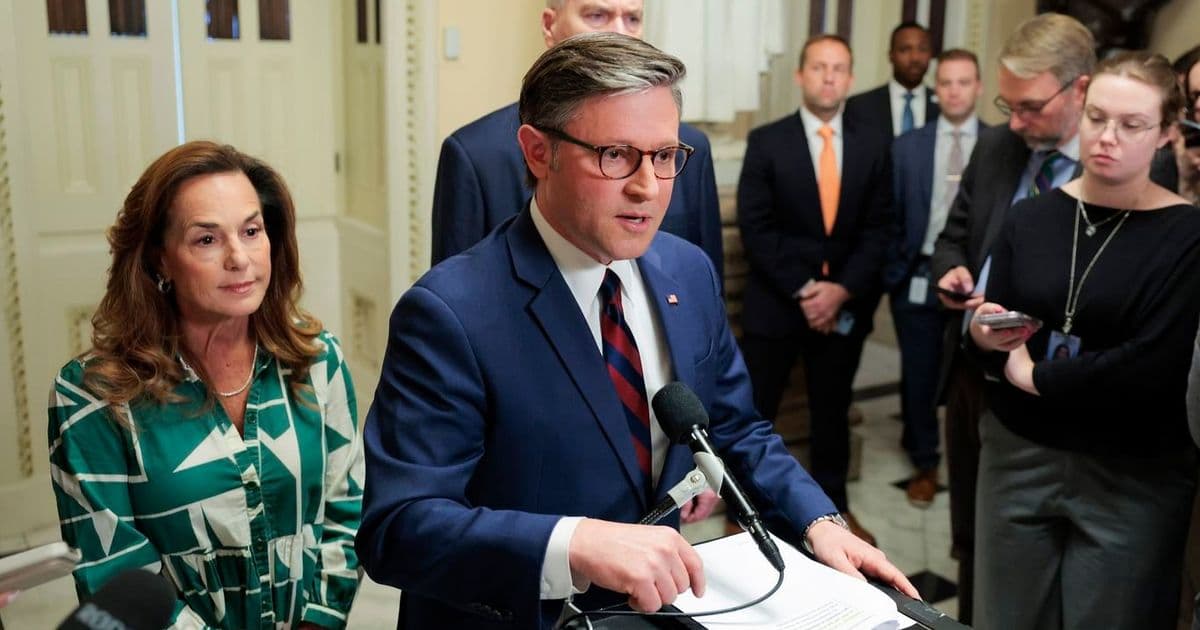
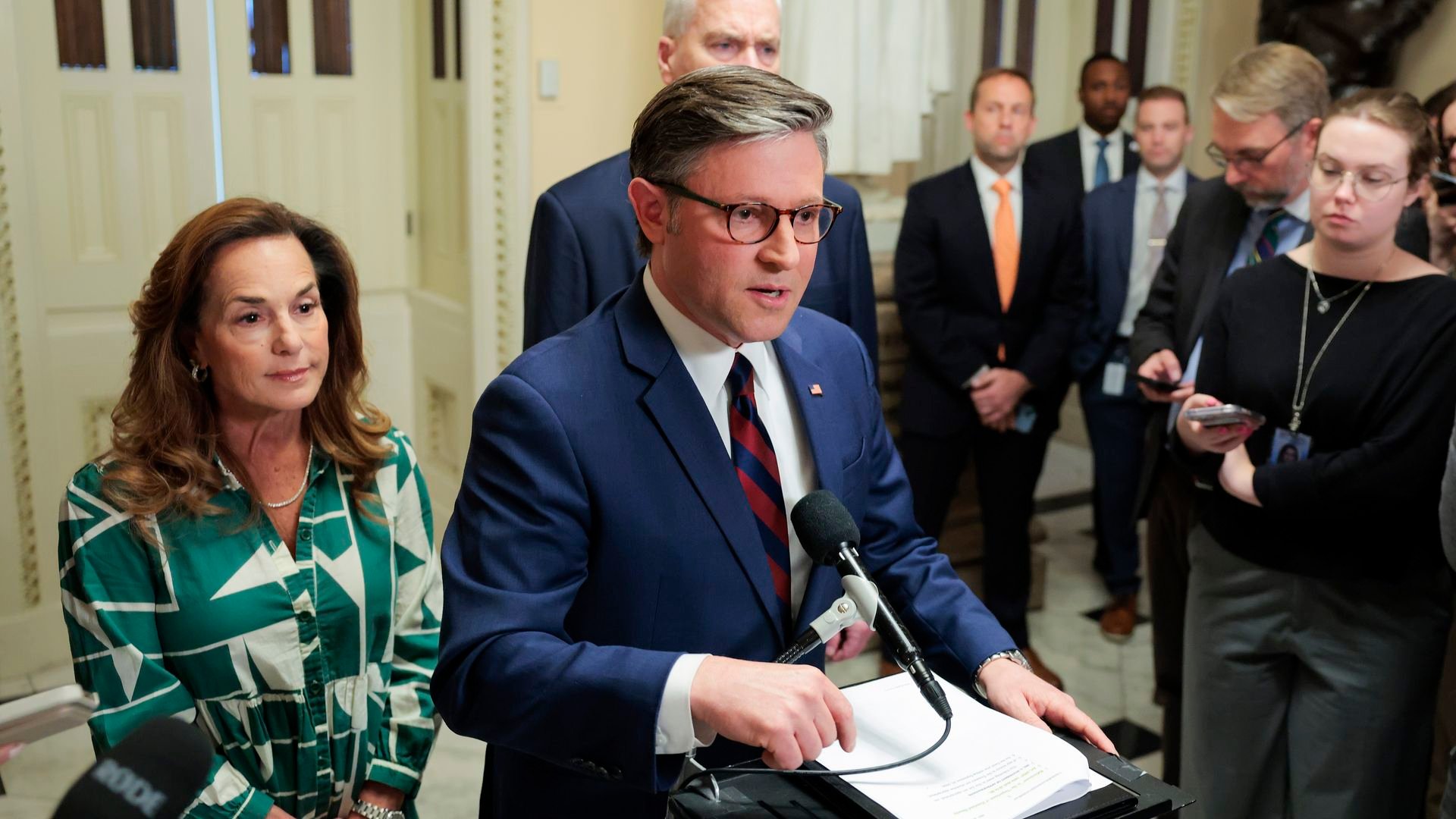
House Speaker Mike Johnson, flanked by Chairwoman Lisa McClain and Whip Tom Emmer, announced the passage at a press conference outside the Capitol. The bill represents a compromise between Republican demands for stricter border security measures and Democratic concerns about government operations.
Budget Battle Context
The short-term funding extension comes as Congress struggles to reach agreement on full-year appropriations. The DHS funding represents one of the final pieces of the budget puzzle, with other federal agencies already operating under temporary measures.
Fiscal year 2025 began on October 1, 2024, but Congress has yet to pass any of the 12 annual appropriations bills. The current stopgap funding expires Friday, creating pressure for lawmakers to act before agencies begin furloughing non-essential personnel.
What Happens Next
The Senate is expected to take up the House-passed measure this week. If approved, the bill would fund DHS at current levels through September 30, 2025, giving lawmakers additional time to negotiate a longer-term solution.
However, the temporary nature of the funding creates uncertainty for agency planning and operations. Many DHS contractors and grant programs operate on fiscal year cycles, making short-term extensions particularly disruptive to long-term projects.
Political Implications
The passage highlights the ongoing tension between fiscal conservatives who want to reduce federal spending and defense hawks who prioritize national security funding. The DHS budget includes significant resources for border security, cybersecurity, and emergency response capabilities.
With the 2026 midterm elections approaching, both parties are positioning themselves on government funding issues. Republicans emphasize fiscal restraint while Democrats warn against cuts to essential services.
The bill's passage also reflects the narrow Republican majority in the House, requiring Speaker Johnson to work across party lines to secure enough votes for passage. Several conservative members voted against the measure, arguing it didn't go far enough in restricting DHS activities.
Economic Impact
While a DHS shutdown would be less disruptive than a full government closure, it would still affect hundreds of thousands of federal employees and numerous contractors. The agency employs approximately 240,000 people across various missions including border security, cybersecurity, and emergency management.
Temporary funding extensions typically result in delayed procurement decisions, hiring freezes, and reduced training programs. These operational constraints can accumulate over multiple short-term funding cycles, hampering agency effectiveness.
Looking Ahead
As the Senate considers the House bill, lawmakers face pressure to resolve the broader budget impasse. The current funding pattern of short-term extensions has become increasingly common in recent years, reflecting deep partisan divisions over spending priorities.
Budget experts warn that this approach to government funding creates inefficiencies and undermines long-term planning for critical national security functions. The DHS, which handles everything from counterterrorism to disaster response, requires stable funding to maintain operational readiness.
The coming days will determine whether Congress can break the cycle of temporary funding measures or if agencies will continue operating under uncertainty through the end of the fiscal year.
Comments
Please log in or register to join the discussion