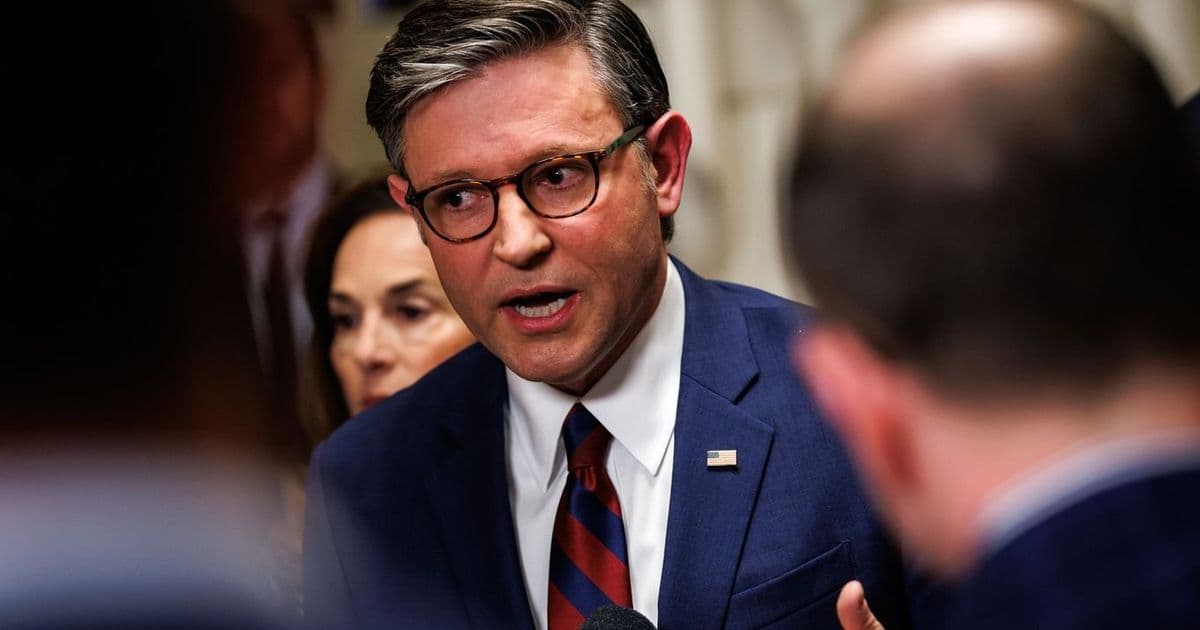
House Speaker Mike Johnson confronts mounting Republican opposition after a bipartisan DHS funding agreement collapses, threatening government operations and exposing deep party divisions.
House Speaker Mike Johnson is confronting a significant rebellion within his own party after a bipartisan Department of Homeland Security (DHS) funding agreement collapsed under Republican resistance, leaving the government's security apparatus in potential jeopardy.
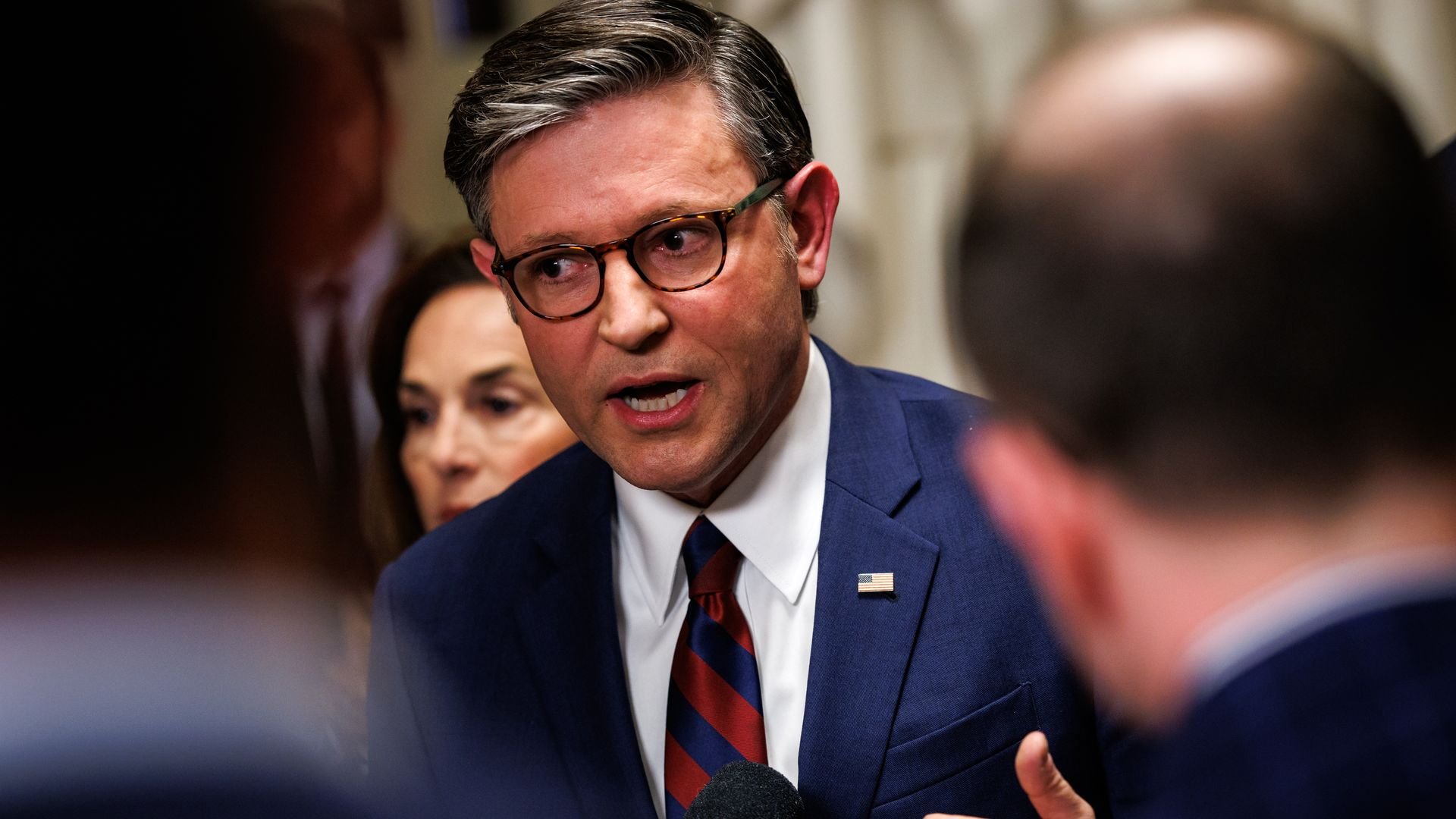
The breakdown of the DHS funding deal represents more than just a routine legislative setback. It exposes the deepening fractures within the Republican Party and raises questions about Johnson's ability to maintain party unity on critical spending measures.
The Funding Deal That Wasn't
The bipartisan agreement, which had been months in the making, would have provided critical funding for border security, immigration enforcement, and domestic counterterrorism efforts. However, hardline conservative members of the House Freedom Caucus and other right-wing factions rejected the compromise, arguing it didn't go far enough in addressing immigration concerns.
Johnson, who had initially supported the deal as a pragmatic solution to avoid a partial government shutdown, now finds himself in an increasingly untenable position. His attempt to balance competing demands from moderate Republicans who wanted to keep the government funded and conservative hardliners who demanded stricter immigration provisions has backfired spectacularly.
Political Calculations and Consequences
The timing couldn't be worse for Johnson. With the 2026 midterm elections approaching, the optics of a Republican-led House failing to fund its own party's signature issue—border security—are damaging. Conservative media outlets have already begun criticizing the Speaker's leadership, and some members are reportedly considering whether to challenge his speakership.
Sources within the House Republican Conference suggest that Johnson is now weighing several options:
- Pursuing a short-term continuing resolution to keep DHS funded while negotiations continue
- Attempting to pass a more conservative funding bill that would likely fail in the Senate
- Working with Democrats to craft a compromise that could pass with bipartisan support
The Broader Context
This isn't the first time Johnson has faced resistance from his right flank. Since assuming the speakership in October 2023, he has struggled to unite a deeply divided Republican conference. The DHS funding debacle follows a pattern of legislative failures on issues ranging from government spending to Ukraine aid.
What makes this situation particularly precarious is that DHS funding has a hard deadline. Unlike other government agencies that can operate on continuing resolutions, certain DHS functions—including border operations and cybersecurity initiatives—require explicit annual appropriations.
What Happens Next
Political analysts are watching closely to see whether Johnson can salvage the situation or whether this marks the beginning of a more serious leadership challenge. The Speaker has scheduled emergency meetings with key committee chairs and caucus leaders to chart a path forward.
One thing is clear: Johnson's speakership, already on shaky ground, faces its most serious test yet. How he navigates this crisis will likely determine not just the fate of DHS funding, but his own political future.
The collapse of the DHS funding deal serves as a stark reminder of the challenges facing Republican leadership in an era of increasing party polarization and the growing influence of hardline conservative factions.
Comments
Please log in or register to join the discussion