HPE has modified its terms and conditions to permit price adjustments after quotes are issued, citing DRAM and NAND costs now representing over half of server component costs.
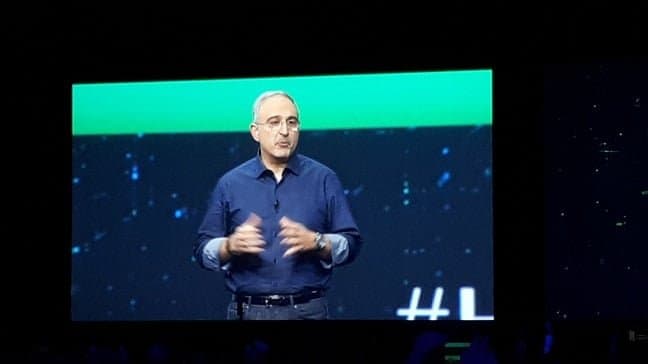
HPE has updated its terms and conditions to allow the company to change hardware prices after issuing quotes, citing dramatic increases in memory and storage component costs. The change comes as DRAM and NAND flash now account for over half the bill of materials cost of traditional servers, according to CEO Antonio Neri.
The company announced the policy change during its Q1 2026 earnings call, where Neri explained that HPE has "expanded our long-term multi-year agreements with our key silicon and memory partners to secure the capacity needed to meet customer demand." However, these agreements haven't shielded HPE from the need to adjust pricing dynamically.
Under the new terms, HPE reserves the right to "reprice existing orders for commodity cost increases between quoting and shipment." This means customers who receive quotes may face different prices when their orders are ready to ship, depending on how memory and storage component costs have changed during that period.
Neri acknowledged the budgeting challenges this creates for customers, stating that HPE is "proactively communicating with customers and channel partners, providing lead time and cost visibility, along with alternative configuration recommendations to shape demand." The CEO noted that while customers understand the price increases, many are willing to accept higher costs to maintain delivery timelines.
"All of them said, okay, I understand the price increases. What we can do to shape the demand, maybe a different configuration, some may take a lower-end configuration to get the product. But it was all about speed to get the product, not the price," Neri reported after meeting with European customers.
The pricing changes reflect broader market pressures affecting the server industry. With memory and storage components now representing the majority of component costs in traditional servers, manufacturers face significant margin pressure when these commodity prices fluctuate. HPE's approach allows the company to maintain profitability while continuing to fulfill customer orders.
Despite these challenges in its core server business, HPE reported strong performance in other segments. The company's networking business, which now includes the former Juniper Networks, delivered 150 percent year-over-year revenue growth, generating $2.7 billion in revenue and $640 million in earnings before taxes. Networking now represents nearly 30 percent of HPE's total revenues and more than half of its total operating profits.
The Cloud & AI segment saw revenue of $6.3 billion, down three percent year-over-year, but HPE executives remain optimistic about future growth. The company has a $5 billion backlog of orders and expects most AI hardware orders to ship in the second half of 2026.
HPE's virtualization portfolio also showed strength, with revenue for VM Essentials "growing sequentially for the third consecutive quarter, with high double-digit new logos growth year-over-year, driven by the escalating cost of legacy virtualization software."
For the second quarter, CFO Marie Myers predicted revenue between $9.6 billion and $10 billion. Investors responded positively to the earnings report, sending HPE's share price up by three percent in after-hours trading.
The policy change highlights the increasing volatility in technology component pricing and the challenges manufacturers face in maintaining stable pricing for customers. As memory and storage costs continue to represent larger portions of server component costs, more companies may need to adopt similar pricing flexibility to remain viable in the market.
For customers planning server purchases, this development means that quotes may no longer represent final prices, and budgeting for hardware acquisitions will require additional flexibility to accommodate potential price changes between the quoting and shipping phases.
Comments
Please log in or register to join the discussion