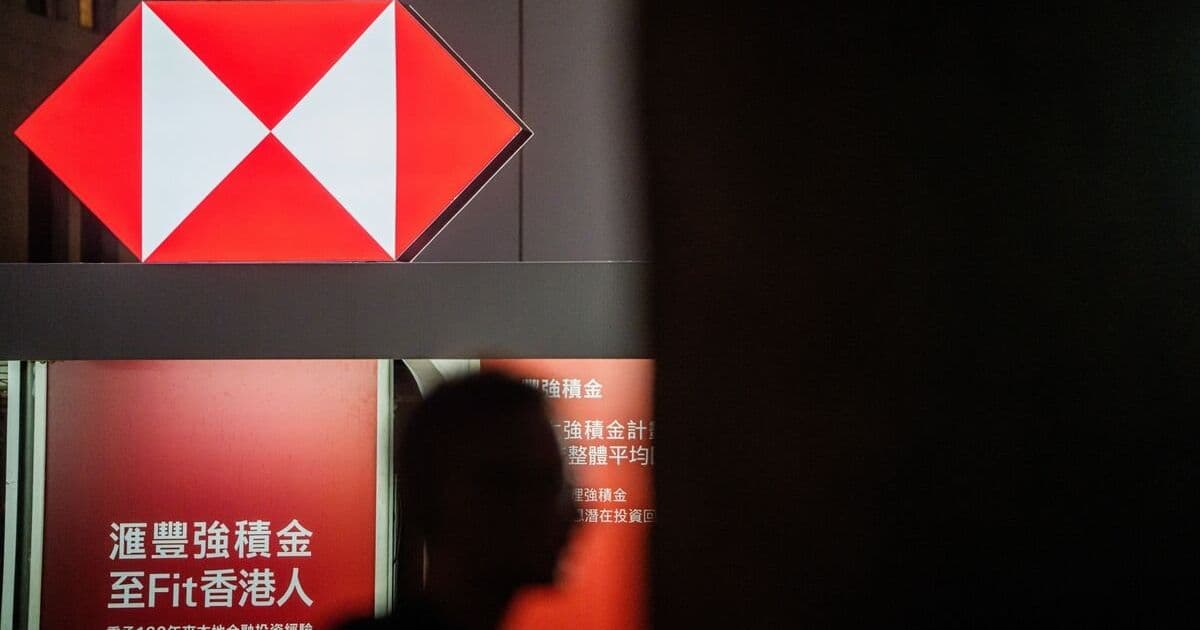
Major banks HSBC and Standard Chartered are poised to become Hong Kong's first licensed stablecoin issuers as the city positions itself as a cryptocurrency hub.
Hong Kong is making a bold move to establish itself as a cryptocurrency hub by licensing major banks to issue stablecoins, with HSBC Holdings Plc and Standard Chartered Plc set to become the first licensed stablecoin issuers in the city, according to sources familiar with the matter cited by Bloomberg.
The decision represents a significant shift in Hong Kong's approach to digital assets, as the financial hub seeks to attract crypto businesses and innovation while maintaining regulatory oversight. Stablecoins, which are cryptocurrencies pegged to traditional assets like the US dollar, have become increasingly popular for trading and payments in the crypto ecosystem.
Hong Kong's Crypto Strategy
The move comes as Hong Kong pushes to differentiate itself from mainland China, which has maintained a strict ban on cryptocurrency trading and mining. By creating a regulated framework for stablecoin issuance, Hong Kong aims to position itself as a gateway between Eastern and Western crypto markets.
Sources indicate that the licensing process is already underway, with both HSBC and Standard Chartered expected to receive approval in the coming months. The banks would issue stablecoins backed by their substantial reserves, potentially offering greater stability and trust compared to existing crypto-native stablecoin providers.
Implications for the Banking Sector
This development marks a significant evolution in how traditional banks view cryptocurrencies. Rather than treating digital assets as a threat, major financial institutions are increasingly looking to integrate blockchain technology and crypto services into their offerings.
For HSBC and Standard Chartered, stablecoin issuance represents a new revenue stream and a way to serve the growing demand for digital payments and cross-border transactions. The banks' involvement could also lend credibility to the broader cryptocurrency market, potentially attracting more institutional investors and mainstream users.
Regulatory Considerations
Hong Kong's approach appears to balance innovation with consumer protection. By licensing established banks rather than crypto startups, regulators can leverage existing compliance frameworks and risk management practices. The move also ensures that stablecoin issuers maintain adequate reserves and undergo regular audits.
However, questions remain about how these bank-issued stablecoins will interact with existing cryptocurrencies and whether they will be subject to the same trading restrictions as other digital assets in Hong Kong.
Regional Competition
The initiative positions Hong Kong in competition with other Asian financial centers like Singapore and Japan, which have also been developing crypto-friendly regulations. Success in this space could help Hong Kong maintain its status as a leading international financial center in an increasingly digital economy.
As the crypto industry continues to evolve, Hong Kong's willingness to embrace regulated stablecoin issuance may prove to be a pivotal moment in the mainstream adoption of digital currencies. The involvement of major banks suggests that stablecoins are moving from the periphery of finance toward the mainstream, potentially paving the way for broader cryptocurrency integration in traditional financial services.
The next few months will be crucial as the licensing process unfolds and the first bank-issued stablecoins potentially enter the market, marking a new chapter in Hong Kong's financial innovation story.
Comments
Please log in or register to join the discussion