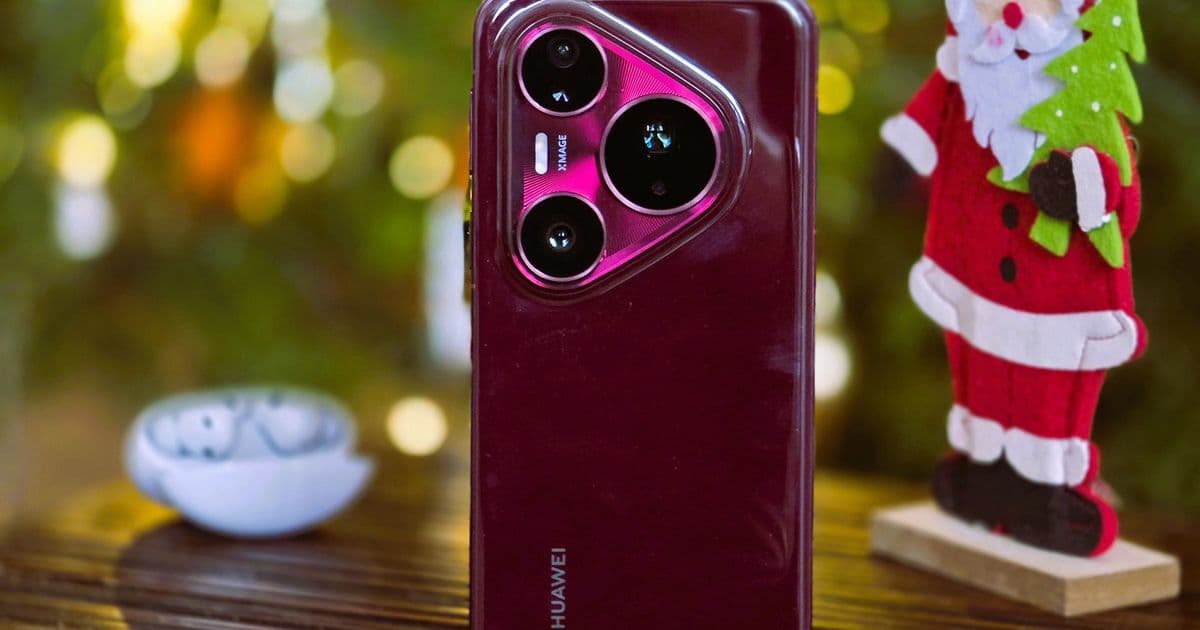
The Huawei Pura 80 Pro delivers one of the best smartphone camera systems available, featuring a 1-inch sensor with variable aperture, but its $1,000+ price tag and lack of Google services make it a difficult recommendation against more complete packages from Xiaomi, OnePlus, and Samsung.
The Huawei Pura 80 Pro arrives in the European market with a singular focus: camera excellence. While Huawei continues to navigate the absence of Google Mobile Services, the company has doubled down on hardware differentiation, particularly in imaging. The result is a smartphone that captures stunning photos but requires significant compromises elsewhere, especially for the price.
What's New: Camera Innovation Takes Center Stage
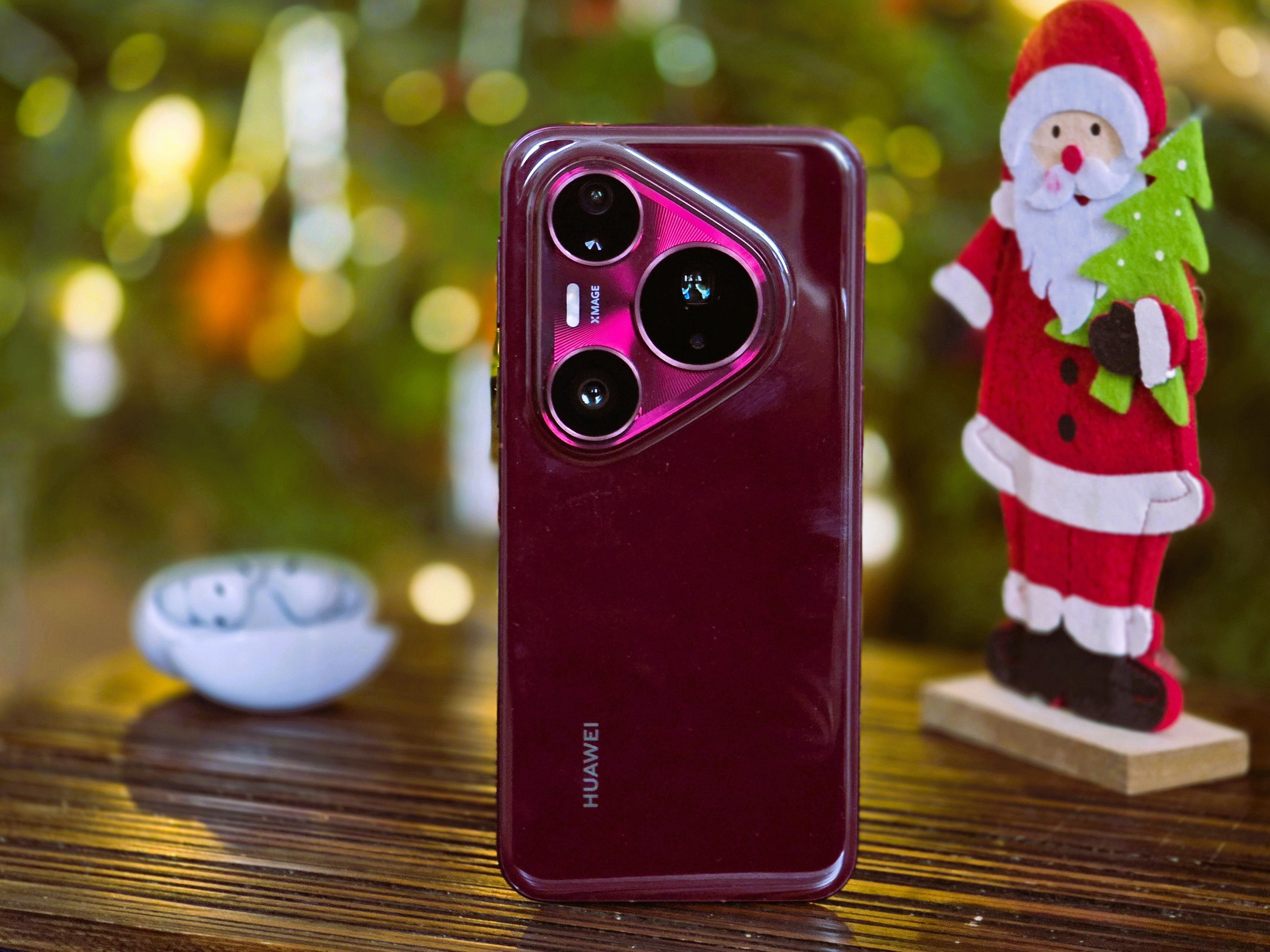
The Pura 80 Pro's standout feature is its main camera system. The 50 MP sensor uses a 1-inch format—a rarity in smartphones that typically use smaller sensors. This larger physical size allows for better light gathering, which directly translates to improved image quality, especially in challenging lighting conditions.
The camera pairs this large sensor with optical image stabilization and a variable aperture ranging from f/1.6 to f/4.0. Variable aperture isn't common in smartphones; most devices use fixed apertures. The f/1.6 setting allows maximum light intake for low-light scenes, while f/4.0 provides greater depth of field for sharper landscapes or group photos where you want more of the scene in focus.
In our testing, this combination produced excellent sharpness and high dynamic range across daylight and low-light conditions. The 1-inch sensor captures detail that most smartphone cameras simply cannot match, with cleaner shadows and more natural highlights.
However, the camera system shows its limitations when moving beyond the main sensor. The ultra-wide-angle camera and telephoto lens lag significantly behind in quality compared to the primary shooter. This imbalance means the Pura 80 Pro excels at specific shots but lacks consistency across its entire camera array.
Video capabilities also fall short. While photo quality is impressive, the video functions don't match the same standard—a common compromise in phones that prioritize still photography.
How It Compares: Performance and Connectivity Gaps
The Pura 80 Pro runs on Huawei's Kirin 9020 SoC, which delivers rock-solid performance for everyday tasks. Apps open quickly, multitasking is smooth, and the Android 12-based interface feels responsive. However, this isn't enough to challenge competing devices in the same price segment.
The HiSilicon Maleoon 920 GPU particularly disappoints in graphics benchmarks. While most users won't notice this in daily use, it matters for mobile gamers and those who push their devices with demanding applications. The GPU's weak scores suggest Huawei's chip development still lags behind Qualcomm's Adreno and Apple's GPU solutions in raw graphics performance.
Battery life presents another significant compromise. Despite the Pura 80 Pro's substantial size and weight, its battery endurance falls short of expectations. This is particularly frustrating because Huawei has historically excelled in battery optimization. The relatively short battery life means frequent charging, which undermines the device's portability despite its physical heft.
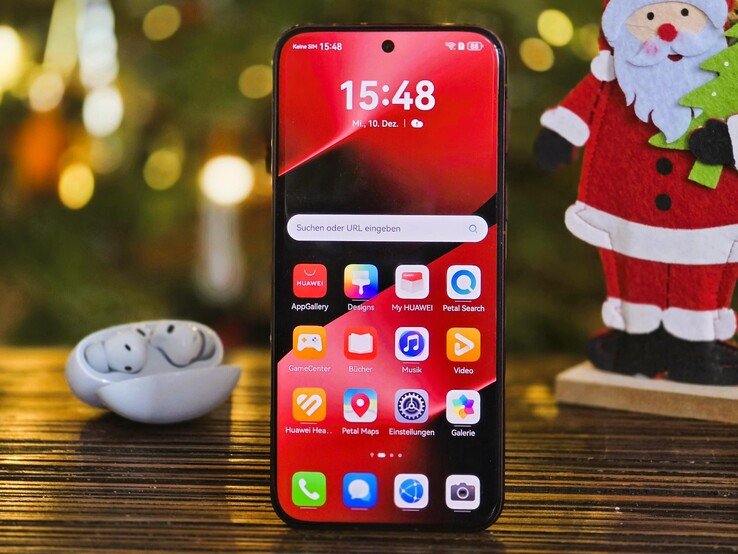
Connectivity remains Huawei's most visible limitation. The lack of 5G support is increasingly problematic in 2026, as networks expand and data speeds improve. More critically, the absence of Google Mobile Services means no Google Play Store, Gmail, Google Maps, or other Google apps by default. While Huawei offers its own AppGallery and alternatives like Petal Search, the ecosystem gap is substantial for users accustomed to Google's services.
Who It's For: Niche Appeal at a Premium Price
With a recommended retail price exceeding $1,000, the Pura 80 Pro competes in the premium smartphone tier where expectations are high across all categories. At this price point, alternatives like the Xiaomi 17 Pro Max, OnePlus 15, and Samsung Galaxy S25+ offer more complete packages.
The Xiaomi 17 Pro Max, for instance, provides comparable camera performance with a more modern processor, full Google services, and better battery life. The OnePlus 15 offers faster charging and a cleaner software experience. The Galaxy S25+ delivers superior software support, ecosystem integration, and 5G connectivity.
The Pura 80 Pro's appeal is therefore highly specific. It's best suited for:
- Huawei ecosystem users who already use Huawei services and have adapted to the AppGallery
- Photography enthusiasts who prioritize camera quality above all else and are willing to accept compromises in other areas
- Users in regions where Google services are less critical or where Huawei's alternatives are more established
For everyone else, the trade-offs are too significant. The $1,000+ price buys exceptional camera hardware but sacrifices Google services, 5G connectivity, and balanced performance. The variable aperture and 1-inch sensor are genuinely impressive, but they don't justify the complete package when competitors offer 90% of the camera quality with 100% of the software ecosystem.
The Bottom Line
The Huawei Pura 80 Pro is a fascinating study in focused engineering. Huawei has clearly prioritized camera innovation, and the results speak for themselves in still photography. The 1-inch sensor with variable aperture represents genuine smartphone camera advancement.
However, a smartphone is more than its camera. The lack of Google services creates daily friction, the GPU performance lags behind competitors, and the battery life disappoints given the device's size. At over $1,000, these compromises become harder to justify.
The Pura 80 Pro isn't a bad phone—it's an incomplete one. It excels in one area while trailing in several others. For Huawei loyalists and camera-first buyers, it delivers. For everyone else, the market offers better-rounded alternatives at similar prices.
Review of the Huawei Pura 80 Pro provides the complete test data and additional sample photos.
Editor: Marcus Herbrich - Senior Tech Writer Translator: Jacob Fisher
Comments
Please log in or register to join the discussion