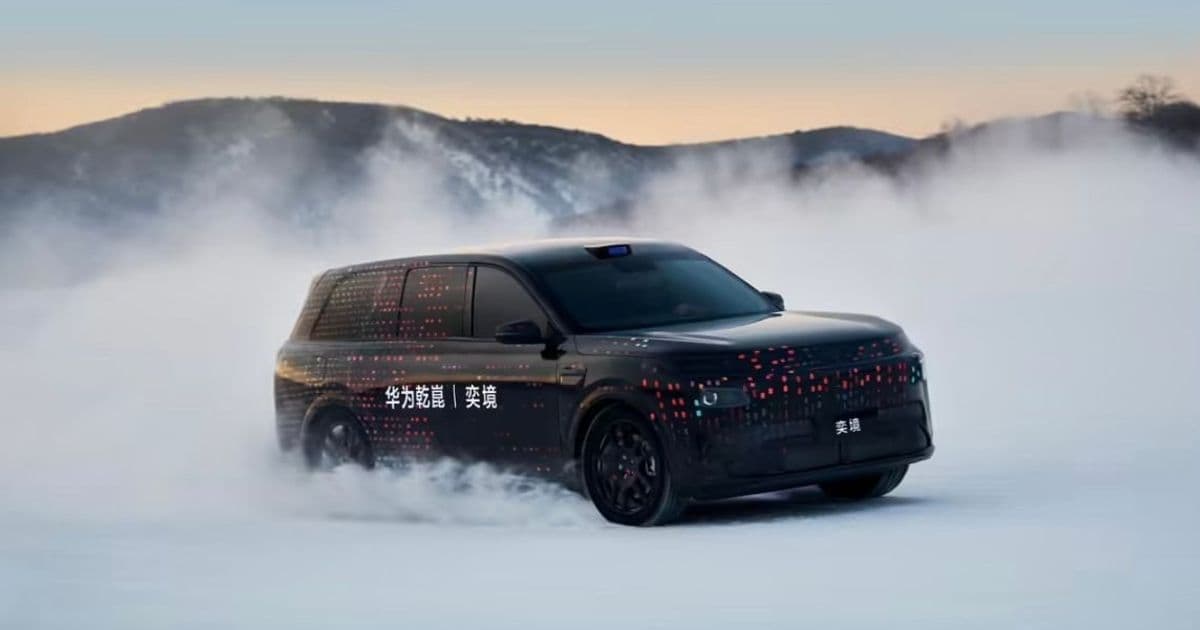
Huawei and Dongfeng's Epicland brand has teased its first model, a six-seat flagship SUV built on Huawei's full-stack Kunlun intelligent automotive technology, with cold-weather testing already underway and a planned debut at the 2026 Beijing Auto Show.
The partnership between Huawei and Dongfeng Motor has moved from concept to concrete hardware with the first teaser images of the Epicland brand's debut vehicle. Positioned as a flagship six-seat family SUV, this model represents the tangible output of Huawei's Kunlun intelligent automotive platform, a full-stack solution that spans digital chassis, intelligent driving, cockpit systems, and cloud connectivity.
What's Actually New: The Kunlun Digital Chassis
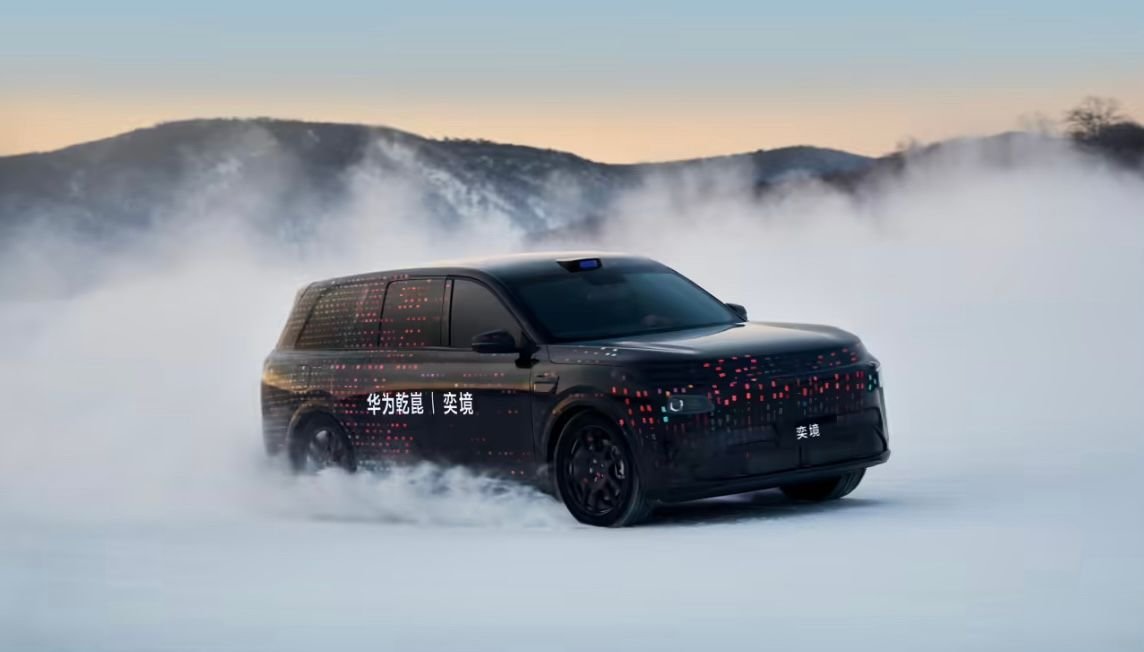
The core technical claim centers on Huawei's XMC Kunlun Digital Chassis, which the company describes as an "ultra-stable platform" capable of handling extreme ice and snow conditions. While the term "digital chassis" has become increasingly common in automotive marketing, Huawei's implementation appears to focus on integrated vehicle control that coordinates multiple subsystems—steering, braking, powertrain, and suspension—through centralized software rather than isolated mechanical components.
The company's emphasis on extreme cold-weather testing in Mohe and Hulunbuir (regions in northeastern China known for harsh winters) suggests a practical validation approach. Starting cold-weather testing just one month after the first engineering prototype rolled off the line indicates either accelerated development timelines or that the platform has been in development for longer than the Epicland brand itself.
The Full-Stack Claim: What It Actually Means
Huawei's "full-stack" automotive solution includes several distinct components:
Kunlun Intelligent Driving System: This appears to be Huawei's advanced driver-assistance system (ADAS), though specific details about sensor configurations, compute platforms, or algorithmic approaches haven't been disclosed in the teaser. The "next-generation" designation suggests improvements over existing Huawei ADAS implementations in other vehicles.
HarmonyOS Cockpit: Huawei's operating system for in-vehicle infotainment, which has been deployed in other Chinese EV brands. The integration here would likely involve seamless connectivity between the vehicle's systems and Huawei's broader ecosystem of devices and services.
Kunlun Vehicle Control: This likely refers to the centralized vehicle control unit (VCU) that manages power distribution, thermal management, and other vehicle functions. The integration with the digital chassis suggests a unified software architecture.
In-Vehicle Lighting and Cloud-Connected Systems: These components point to both aesthetic customization (potentially dynamic lighting tied to driving modes or notifications) and over-the-air (OTA) update capabilities, which are increasingly standard in modern connected vehicles.
The Business Model: Brand Architecture and Timeline
The Epicland brand is one of two new brands emerging from the Huawei-Dongfeng partnership. Jin Yuzhi, CEO of Huawei's Intelligent Automotive Solution BU, previously revealed that Epicland will focus on SUVs and larger vehicles, while the sibling Qijing brand will target the shooting-brake coupe segment. This bifurcation suggests a strategy to cover different market segments without brand dilution.
The planned debut at the 2026 Beijing Auto Show on April 24 gives a specific timeline, though the teaser images released months in advance follow a common automotive marketing pattern. More notably, Epicland's stated plan to launch at least one new model annually indicates an aggressive product cadence that will test both Huawei's technology scalability and Dongfeng's manufacturing capacity.
Limitations and Open Questions
Several critical details remain unclear:
Pricing and Market Positioning: While described as a "flagship" SUV, the actual price bracket and target demographic aren't specified. This will determine whether it competes with premium Chinese EVs like the NIO ES8 or more mainstream offerings.
Powertrain Details: The teaser doesn't mention whether this will be a pure electric vehicle, plug-in hybrid, or conventional powertrain. Given Huawei's focus on intelligent systems rather than battery technology, the powertrain may be sourced from Dongfeng or another partner.
Real-World Performance Claims: The "ultra-stable" digital chassis claim requires validation beyond marketing language. How does it compare to established platforms from Tesla, BYD, or traditional automakers? What specific metrics define stability in extreme conditions?
Regulatory and Safety Certification: Chinese automotive regulations are stringent, particularly for new brands. The timeline from prototype to production-ready vehicle involves extensive homologation processes that could affect the April 2026 debut schedule.
Context: Huawei's Automotive Strategy
This announcement fits into Huawei's broader automotive strategy, which has evolved from providing components to developing full-stack solutions. The company has previously partnered with Seres (AITO brand) and Chery, with varying degrees of success. The Epicland partnership with Dongfeng, a major state-owned automaker, represents a different scale of collaboration.
The Kunlun platform name itself is significant. In Chinese mythology, Kunlun is a sacred mountain, and in Huawei's corporate context, it represents their high-end computing platforms. Applying this to automotive suggests ambitions for premium positioning and technological leadership.
What to Watch
As the 2026 Beijing Auto Show approaches, expect more detailed technical specifications, pricing information, and pre-order details. The cold-weather testing results, if made public, could provide early indicators of the platform's capabilities. Additionally, the performance of Huawei's ADAS in real-world conditions will be closely watched, as intelligent driving systems face increasing scrutiny from both regulators and consumers.
The Epicland SUV will serve as a litmus test for whether Huawei's full-stack automotive approach can deliver competitive vehicles at scale, or whether it remains a technology showcase with limited commercial impact.
Sources: IThome
Comments
Please log in or register to join the discussion