
Human Rights Watch reports that drone strikes in Haiti over 10 months killed 1,243 people including 17 children, with no clear links to criminal groups. The attacks, carried out by Haitian forces and Erik Prince's Vectus Global, raise serious concerns about extrajudicial killings and civilian casualties.
Human Rights Watch has condemned a series of drone strikes in Haiti that killed at least 1,243 people, including 17 children, over a 10-month period ending in January 2026. The attacks, carried out by Haitian security forces and private contractors from Erik Prince's military firm Vectus Global, have raised serious concerns about extrajudicial killings and civilian casualties in the Caribbean nation's ongoing security crisis.
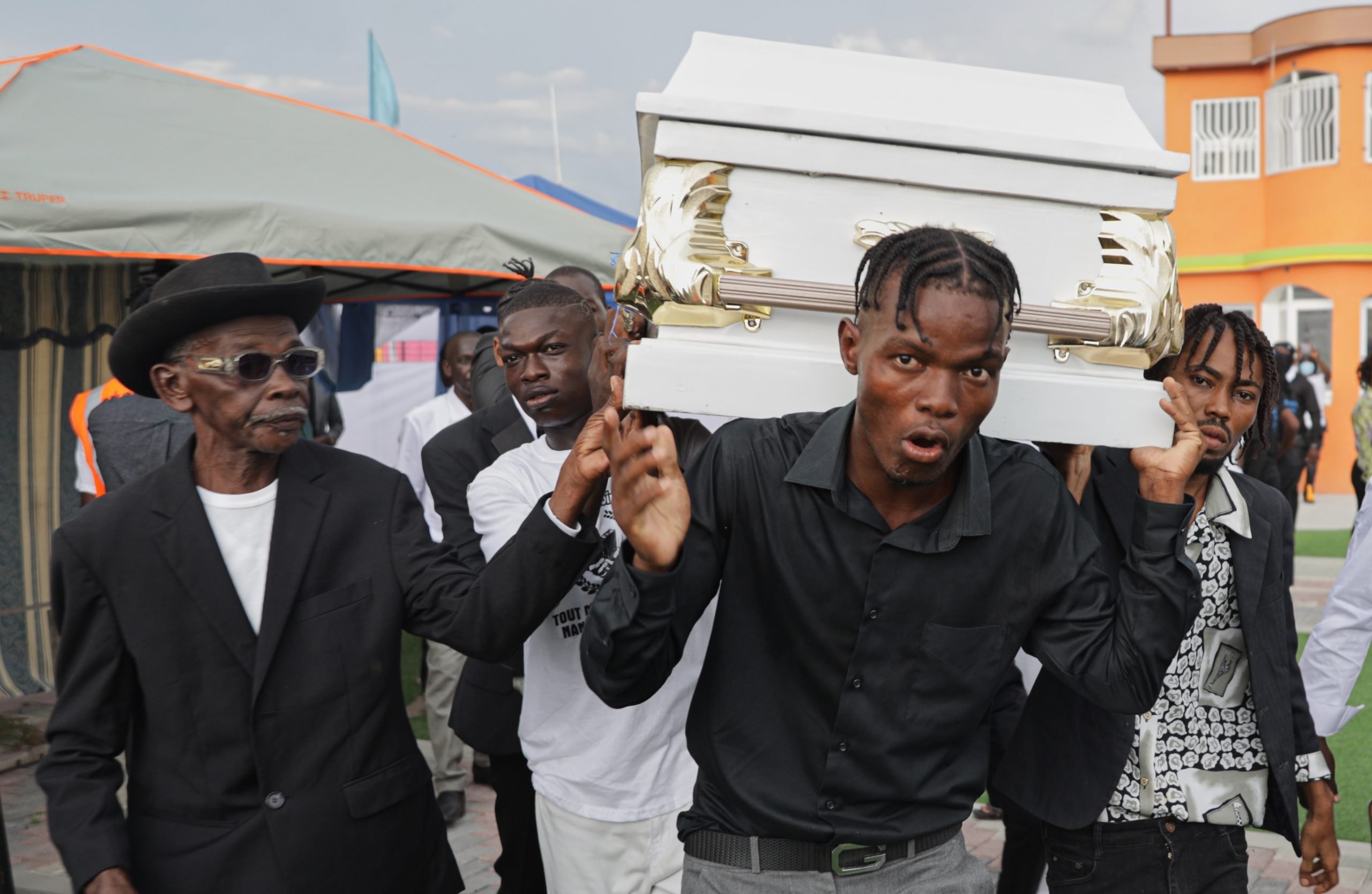
The strikes, which injured at least 738 additional people, occurred between March 1, 2025, and January 21, 2026, in densely populated urban areas of Port-au-Prince and surrounding municipalities. According to the HRW report released Tuesday, at least 49 of the injured appeared to have no ties to gangs or other criminal groups.
Vectus Global, founded by American businessman and former Navy SEAL Erik Prince, deployed explosive-equipped quadcopter drones capable of navigating between buildings and tracking moving targets in crowded neighborhoods. The company has faced criticism for civilian abuses in previous operations, particularly in Iraq.
Human Rights Watch documented at least 141 drone operations across nine municipalities in Haiti's West Department, including Cabaret, Cité Soleil, Croix-des-Bouquets, Delmas, Kenscoff, Léogâne, Pétion-Ville, Port-au-Prince, and Tabarre. The United Nations Integrated Office in Haiti (BINUH) reported that 57 attacks occurred in the capital city alone between November 2025 and January 2026.
One particularly devastating strike on September 20, 2025, in Simon Pelé, a neighborhood within Cité Soleil, killed ten people, nine of whom were children aged 3 to 12 with no apparent connection to criminal groups. The HRW data shows an average of about nine deaths per strike, with the deadliest operation killing 57 people.
Human Rights Watch emphasized that international standards permit the deliberate use of lethal force only when strictly necessary to protect life. "The deliberate and lethal use of firearms and other weapons is only permitted when absolutely necessary to protect a person's life," the organization stated. "Any use of force must be both necessary and proportionate."
Residents living in affected areas reported increased fear and anxiety rather than improved security. "I live in constant fear and anxiety," a merchant in the Martissant neighborhood told HRW. "I pray that the drones no longer fly over our neighborhood."
The drone campaign appears to have failed in its stated objective of targeting gang leadership. None of Haiti's most powerful gang leaders have been identified among those killed in the strikes, raising questions about the effectiveness and targeting of the operations.
Local human rights organization Fondasyon Je Klere criticized the financial cost of the operations, noting that $52 million was spent on drone strikes that caused more collateral damage than actual neutralization of gang members. The criticism comes amid broader concerns about a $52 million security contract between the Haitian government and Prince's company.
Neither Prime Minister Alix Didier Fils-Aimé, the Haitian National Police, nor Vectus Global responded to requests for comment about the HRW report's findings. The government has not released any public report detailing how the drones are deployed, who authorizes the strikes, or what oversight mechanisms govern the operations.
Human Rights Watch noted that Haiti is a signatory to the International Covenant on Civil and Political Rights, which protects the right to life and requires authorities to minimize harm to civilians. The organization urged the government to launch transparent investigations into alleged unlawful killings and clarify the chain of command behind the drone strikes.
"Haitian authorities must urgently take control of the security forces and the private companies working on their behalf before more children die," said Juanita Goebertus, director of the Americas Program at Human Rights Watch.
The strikes continue to occur despite mounting criticism, with local reports emerging of several drone detonations in downtown Port-au-Prince earlier this week. The situation highlights the complex challenges facing Haiti as it struggles with gang violence, political instability, and questions about the role of foreign military contractors in domestic security operations.
The HRW report adds to growing concerns about sovereignty and accountability in Haiti's security arrangements, particularly as the government faces criticism for signing multiple foreign contracts worth hundreds of millions of dollars that critics say shift too much governmental power to private firms abroad.
Comments
Please log in or register to join the discussion