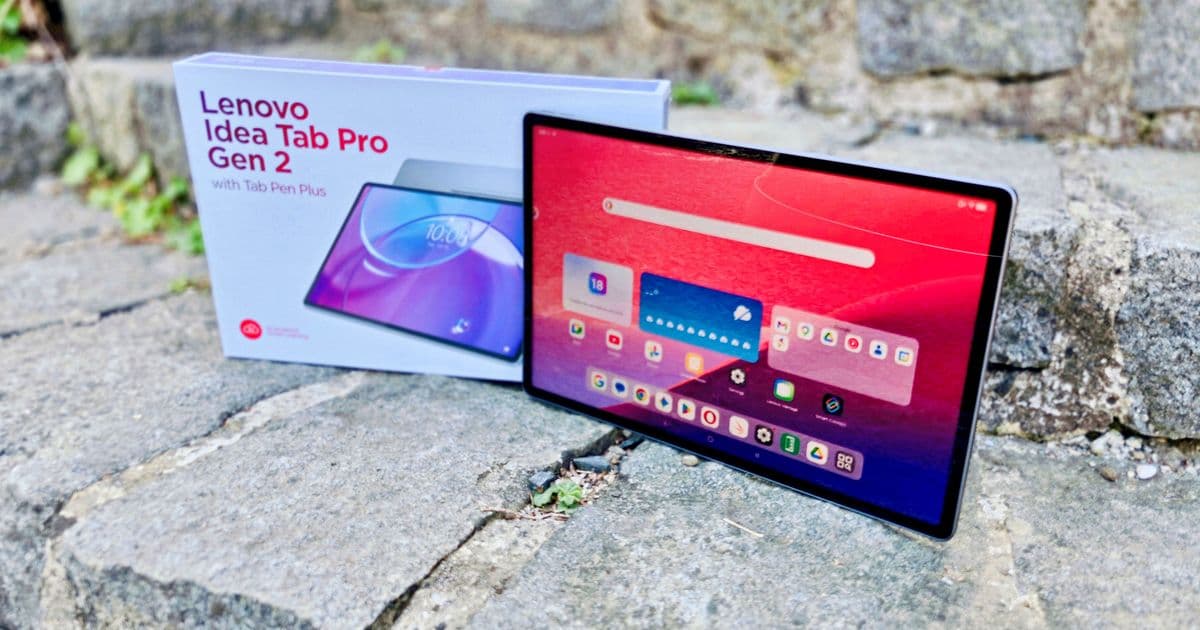
Lenovo’s new 13‑inch Idea Tab Pro Gen 2 combines a bright, color‑accurate 120 Hz display with a Snapdragon 8 Gen 4 SoC, Android 16 AI tools and a magnetic pen, delivering a compelling Android tablet for artists, designers and multitaskers at around $600.
 )
)
What’s new
Lenovo’s Idea Tab Pro Gen 2 arrives as a 13‑inch Android tablet aimed squarely at creators. The most visible upgrade is the 120 Hz LCD panel that pushes brightness to 500 cd/m², covers 100 % sRGB and, crucially, is free of PWM flicker – a boon for long drawing sessions. Under the hood sits the Qualcomm Snapdragon 8 Gen 4 with an Adreno 825 GPU, paired with 8 GB LPDDR5 RAM. Storage comes in two flavours: 128 GB UFS 3.1 or 256 GB UFS 4.0, both expandable via micro‑SD. The tablet runs Android 16 with AI‑enhanced note‑taking features, and it supports a magnetic Lenovo Tab Pen Plus that offers 4096 pressure levels.
How it compares
Display and input
Compared with the first‑generation Idea Tab Pro, the Gen 2’s screen is not only brighter but also more color‑accurate and free of PWM, meaning less eye strain for artists. The 120 Hz refresh rate makes handwriting feel natural, and the touchscreen retains consistent sensitivity even at the corners – a common weak spot on many Android tablets. The pen, sold separately, magnetically attaches to the rear and locks in place, eliminating the need for a separate holder.
Performance
The Snapdragon 8 Gen 4 delivers a noticeable lift over the Snapdragon 865‑based predecessor. In our synthetic benchmarks, single‑core scores jumped by roughly 30 %, and multi‑core performance improved by 45 %, translating to smoother multitasking and faster rendering in apps like Autodesk SketchBook and Krita. The Adreno 825 GPU holds its own in moderate 3D work and can drive the 4‑speaker array without stutter, something the older model struggled with.
Storage speed
The 128 GB model uses UFS 3.1, which is already quick for app launches, but the 256 GB variant’s UFS 4.0 storage cuts file‑transfer times in half. For creators moving large Photoshop or video files between the tablet and external drives, the speed difference is tangible.
Connectivity and build
Lenovo upgraded the wireless stack to Wi‑Fi 7, achieving real‑world transfer rates north of 2 Gbps on a 160 MHz channel. This makes streaming 4K video and syncing cloud‑based assets feel instantaneous. The chassis is a 6.2 mm thin metal slab with an IP52 rating – enough to shrug off a coffee spill or dusty studio environment. Four front‑firing speakers provide balanced audio, a step up from many mid‑range tablets that rely on a single driver.
Battery and cameras
A 10 200 mAh battery gives roughly 8‑9 hours of mixed use, which is an improvement over the previous model but still trails rivals like the Samsung Galaxy Tab S9+ that push 12 hours on a similar charge. The rear 13 MP and front 8 MP cameras are adequate for quick snapshots or video calls but lack the larger sensors needed for serious photography.
Software support
Lenovo promises Android 18 updates and security patches through 2030, a respectable roadmap but shorter than the five‑year support windows offered by some competitors. The built‑in AI note‑taking tools can automatically summarize, rephrase, or even extract action items from handwritten notes, which can streamline a designer’s workflow.
Who it’s for
- Digital artists and illustrators who need a flicker‑free, high‑refresh‑rate screen and a pressure‑sensitive pen that feels stable in the hand.
- Design students and freelancers who value a thin, portable chassis with Wi‑Fi 7 for rapid cloud sync and a decent amount of RAM for multitasking between Adobe apps.
- Media consumers who want a tablet that can double as a high‑quality streaming device thanks to its four speakers and bright display.
It is less suited for users whose primary need is long battery life or professional photography, as the battery endurance and camera hardware fall short of premium competitors.
Bottom line
Lenovo’s Idea Tab Pro Gen 2 packs a surprisingly powerful CPU/GPU combo, a refined 13‑inch 120 Hz display, and a magnetic pen into a sleek, metal body for roughly US$ 600. While the battery and camera aren’t class‑leading, the tablet offers a well‑balanced mix of performance, display quality and connectivity that makes it one of the most compelling Android options for creative work in the mid‑range segment.
For a full dive into benchmark numbers, pen latency tests and long‑form usage impressions, check out our detailed review.
Comments
Please log in or register to join the discussion