Two states file lawsuits arguing the Trump administration's deployment of federal agents constitutes an unconstitutional overreach of executive power.
Illinois and Minnesota have filed separate federal lawsuits against the Trump administration, seeking to block what they describe as an unconstitutional "occupation" of their jurisdictions by federal immigration authorities. The legal actions, filed this week, represent a direct challenge to the administration's strategy of deploying Customs and Border Protection agents and other federal personnel to conduct immigration enforcement operations in Democratic-led states.
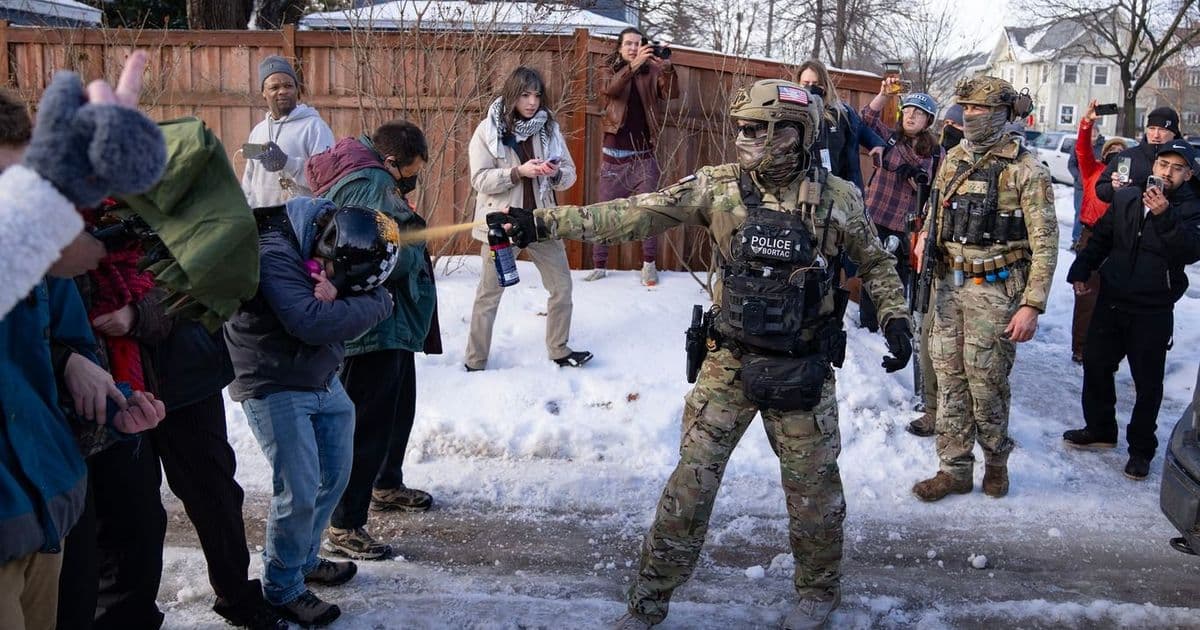
The lawsuits center on deployments that began in late 2024, when the administration started sending Border Patrol Tactical Unit agents to Chicago, Minneapolis, and other cities to conduct high-profile arrests. These operations have sparked confrontations with local law enforcement and community members, creating constitutional questions about federal versus state authority. In Minneapolis, tensions peaked earlier this month when a federal agent fatally shot a woman during an arrest attempt, leading to protests where Border Patrol agents used pepper spray against demonstrators blocking federal vehicles.
Illinois Attorney General Kwame Raoul argues the deployments violate the 10th Amendment by commandeering state and local resources without consent. The complaint specifically challenges a Department of Homeland Security directive that requires local police to provide "operational support" during federal immigration actions. Minnesota's lawsuit, filed by Attorney General Keith Ellison, focuses on the deployment of CBP agents who lack traditional law enforcement training and operate under military-style command structures that bypass civilian oversight.
The constitutional question at the heart of both cases involves the anti-commandeering doctrine established in Printz v. United States, which prohibits the federal government from compelling state officials to enforce federal law. The Trump administration contends that immigration enforcement is exclusively federal authority and that states cannot obstruct legitimate federal operations. However, the states argue that the specific tactics used—militarized raids in residential neighborhoods, use of military equipment, and deployment of agents trained for border operations into urban environments—exceed statutory authority and violate due process rights.
Financial implications extend beyond the immediate legal costs. Chicago and Minneapolis have allocated millions in emergency funds for legal aid to affected families and to bolster municipal liability insurance. Local businesses report revenue declines during federal operations, with immigrant-owned establishments particularly affected. The lawsuits also seek to block the administration's plans to expand these operations to additional cities, which could trigger similar legal challenges and increase federal court costs.
The outcomes could reshape the balance of power between federal immigration enforcement and state police powers. A ruling favoring the states would limit the administration's ability to use CBP and ICE agents in interior enforcement beyond border zones. Conversely, a Trump administration victory could embolden similar deployments nationwide and potentially require states to provide logistical support for federal immigration actions. Both cases have been assigned to federal judges appointed by Democratic presidents, though appeals will likely reach the conservative-leaning Supreme Court.
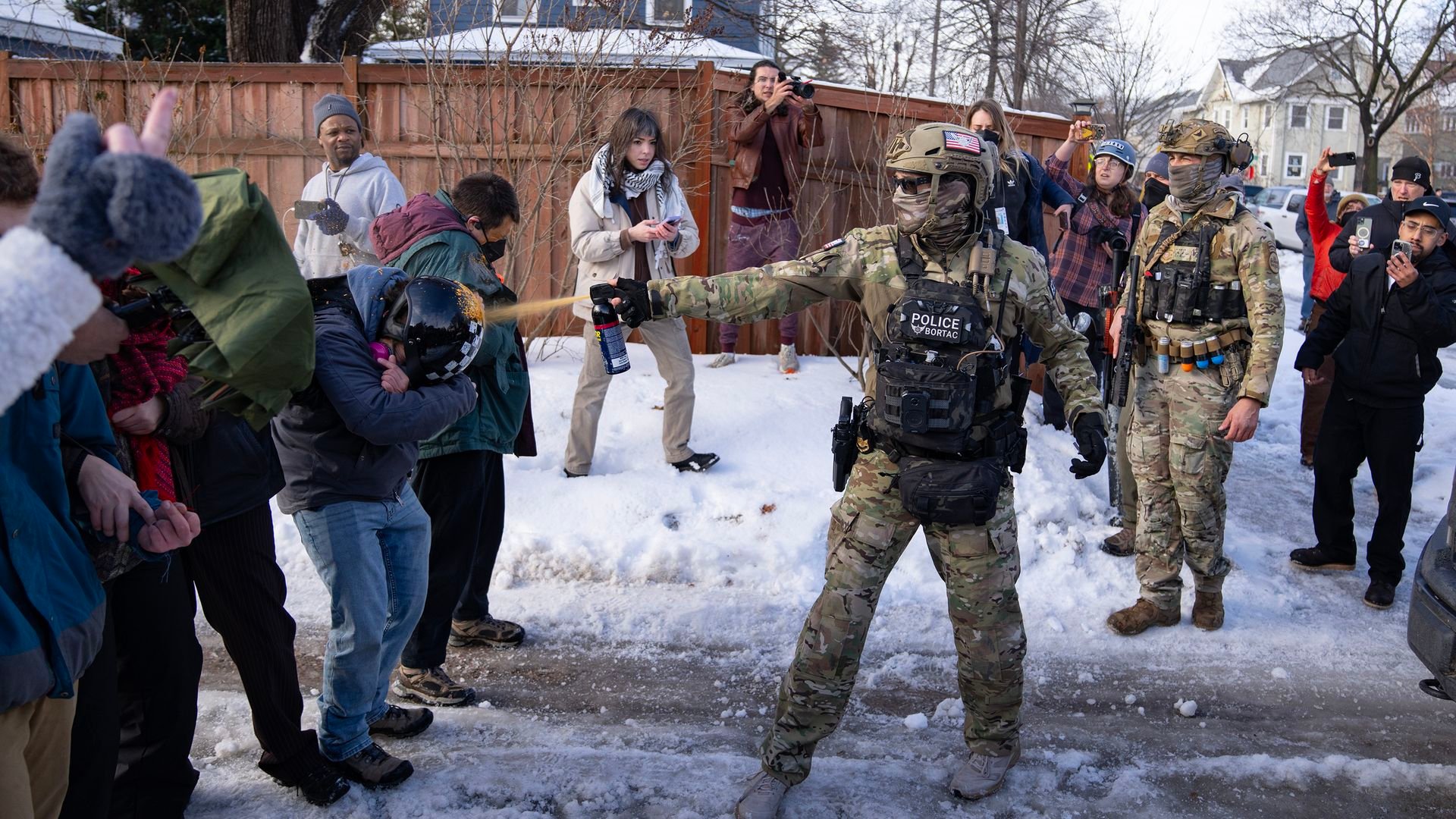
The Minneapolis incident, captured on video, shows a Border Patrol Tactical Unit agent pepper-spraying a protester attempting to block a federal vehicle from leaving the scene where federal agents shot and killed Renee Nicole Good. The footage has become central evidence in Minnesota's case, demonstrating what the state calls "excessive and unnecessary force" by agents untrained in urban crowd control. The Trump administration maintains the shooting was justified and that agents acted in self-defense during a dangerous arrest operation.
Illinois and Minnesota are seeking immediate temporary restraining orders to halt current federal operations within their borders. The lawsuits also request permanent injunctions preventing future deployments under similar parameters. Legal experts note these cases could serve as template challenges for other states facing similar federal actions, potentially creating a patchwork of conflicting court rulings across the country.
The administration has responded by threatening to withhold federal law enforcement grants from jurisdictions that refuse cooperation, though such action would trigger separate legal challenges under federalism principles. The Justice Department has filed motions to dismiss both cases, arguing the courts lack jurisdiction to review core immigration enforcement decisions and that the states lack standing to sue over federal law enforcement operations.
As these legal battles unfold, the immediate impact includes canceled immigration raids in both states pending court decisions, though federal officials have indicated they will continue operations they deem "essential to public safety." The cases represent the most significant federalism conflict over immigration enforcement since the 2010 Arizona SB 1070 controversy and could establish precedents governing federal-state relations for years to come.
Comments
Please log in or register to join the discussion