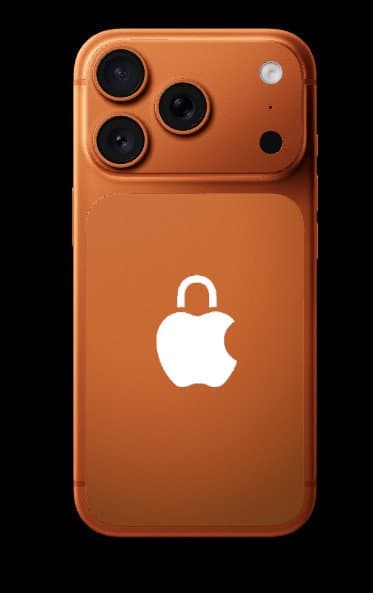
Apple's iOS devices become first consumer products approved for NATO classified data without modifications
Apple's mobile devices may soon help secure world peace. Apple announced this week that the iPhone and iPad were approved to handle secure and classified information for NATO, requiring no additional software or settings. In other words, the iPhone and iPad are secure enough out-of-the-box to handle NATO's classified data. This marks the first time a consumer device has received this designation.
In the past, devices required heavy modification, either on the software or hardware level, to meet NATO's strict security requirements. Apple's devices are currently the only consumer devices approved for use by NATO. To be specific, only devices running iOS 26 and iPadOS 26 with the "Indigo Configuration" are approved by NATO. The Indigo Configuration is a specific configuration setup devised by the German Bundesamt für Sicherheit in der Informationstechnik, or BSI. This is Germany's government office that oversees data and information security.
While this does not require any additional software to be installed on the device, it does require mobile software management (MSM) and other settings to be tweaked. NATO highlighted Apple's Secure Enclave, encrypted Face ID, and Memory Integrity Management as key facets in the iPhone's and iPad's security stacks.
It is interesting that currently only the iPhone and iPad are approved by NATO; none of Apple's computers have made the cut thus far.
Source(s)
- NATO
- Apple
What Makes Apple's Security Stack NATO-Approved?
The approval represents a significant milestone in mobile device security. NATO's certification process is notoriously rigorous, typically requiring specialized hardware modifications or custom software implementations for government use. The fact that Apple's consumer devices can meet these standards without modification speaks volumes about the company's security architecture.
Apple's Secure Enclave is a hardware-based key manager that's isolated from the main processor to provide an extra layer of security. This dedicated coprocessor handles cryptographic operations and stores sensitive data like fingerprints and Face ID information. The enclave's design ensures that even if the main operating system is compromised, the most sensitive data remains protected.
The Memory Integrity Management feature, part of Apple's broader security framework, helps prevent memory-based attacks that have become increasingly common in mobile environments. This technology works alongside other security features like runtime protection and code signing to create multiple layers of defense.
The Indigo Configuration: What It Means for Users
The Indigo Configuration, developed by Germany's BSI, represents a standardized approach to securing mobile devices for government use. While Apple emphasizes that no additional software is required, the configuration does involve specific settings and management protocols:
- Mobile device management (MDM) policies must be implemented
- Specific security settings need to be enabled
- Network configurations must meet NATO standards
- Regular security updates and patch management are required
The configuration essentially creates a secure baseline that NATO can trust across all approved devices, ensuring consistency in security posture regardless of which specific iPhone or iPad model is being used.
Why No Macs? The Security Gap
The absence of Mac computers from NATO's approved device list raises interesting questions about the security differences between Apple's mobile and desktop platforms. While Macs benefit from many of the same security features as iOS devices, including the T2 and M-series security chips, they may lack some of the more stringent security controls that NATO requires.
Mobile devices face different threat models than desktop computers. The closed nature of iOS, with its app sandboxing and strict review process, provides security benefits that macOS doesn't necessarily match. Additionally, the more controlled hardware ecosystem of iPhones and iPads makes it easier to ensure consistent security implementation across all devices.
Implications for Enterprise and Government Security
NATO's approval could have ripple effects throughout the enterprise and government sectors. If Apple's devices can meet NATO's standards, they're likely capable of satisfying the security requirements of other government agencies and large enterprises with sensitive data.
This certification might accelerate the trend of "bring your own device" (BYOD) policies in government and enterprise environments, as organizations can now trust consumer devices to handle classified information. It could also influence other mobile platform providers to enhance their security features to compete for government contracts.
The Future of Mobile Security
Apple's achievement with NATO approval represents a shift in how we think about mobile device security. Rather than requiring specialized, modified devices for sensitive work, organizations can now rely on consumer-grade hardware that's been properly configured and managed.
This approach offers several advantages:
- Cost savings from using standard consumer devices
- Easier procurement and support processes
- Better user experience since employees can use familiar devices
- Faster adoption of new security features as they're released
The approval also validates Apple's security-first approach to product design. By building security features like the Secure Enclave and encrypted biometrics into the core hardware and software architecture, Apple has created a platform that can meet the most demanding security requirements without sacrificing usability.
As mobile devices continue to handle increasingly sensitive data, we can expect to see more organizations following NATO's lead in certifying consumer devices for classified work. This trend could fundamentally change how government and enterprise organizations approach mobile security, moving away from specialized hardware toward properly configured and managed consumer devices.
Comments
Please log in or register to join the discussion