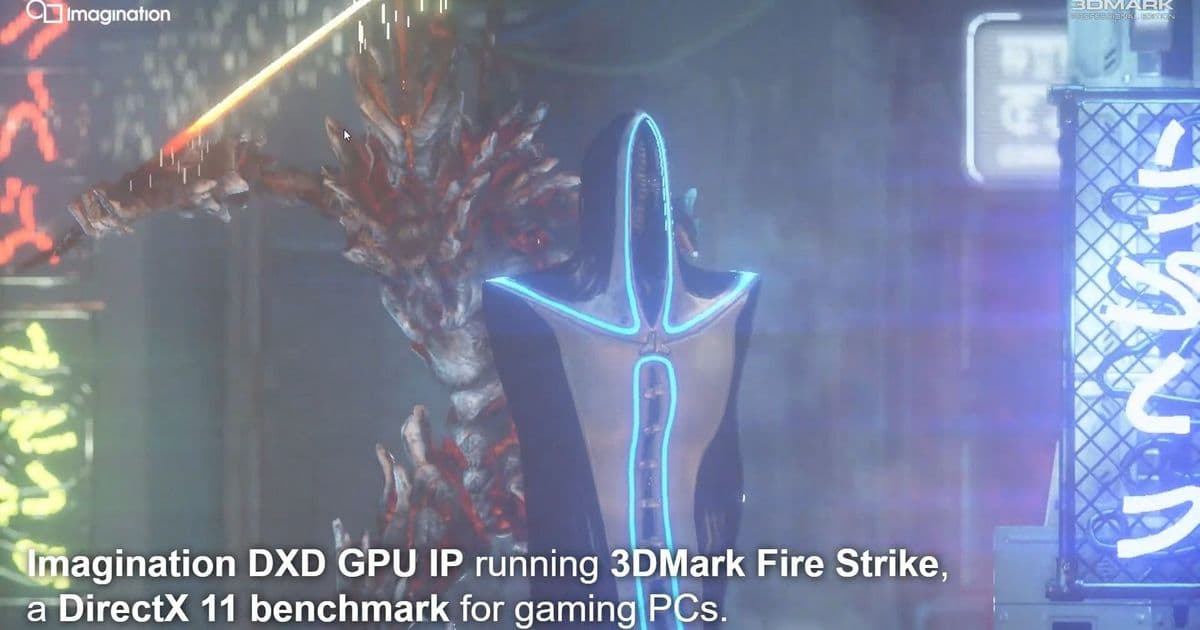
Imagination Technologies showcases DirectX 11 capabilities in PowerVR GPUs, signaling renewed focus on desktop and workstation graphics after years of mobile dominance.
Imagination Technologies, the UK-based semiconductor IP company, has unveiled a significant milestone in its roadmap to bring high-performance PowerVR graphics to desktop, workstation, and cloud environments. The company released a video demonstration showing its GPU IP handling complex DirectX 11 workloads, marking a crucial step toward mainstream PC gaming support.
From Mobile to Desktop: A Strategic Pivot
For decades, Imagination Technologies has been synonymous with mobile graphics, particularly through its long-standing partnership with Apple that lasted from 2007 to 2017. The company's PowerVR architecture powered some of the earliest 3D graphics cards in the PC market and was the graphical engine behind the Sega Dreamcast console launched in 1999.
However, the mobile market has been Imagination's primary focus for years, especially after Apple's sudden shift away from PowerVR technology in 2017. This transition proved disastrous for the company, forcing a complete strategic reassessment. In 2020, Imagination launched its B-Series GPU IP, representing a significant change in direction that would eventually become the foundation for Chinese desktop GPU manufacturers like Moore Threads and Innosilicon.
The Chinese Connection
By 2022, as Imagination celebrated its 30th anniversary, it confirmed that its technology was behind several Chinese desktop graphics cards. These included models like the "double power" Fantasy 1 Type B card, which claimed to offer domestic graphics technology despite being built on Imagination's IP. This development highlighted the growing demand for alternative GPU architectures outside the dominant NVIDIA and AMD duopoly.
DXD: Imagination's PC Gaming Ambition
In 2023, Imagination announced its DXD GPU IP line, explicitly aimed at desktop, laptop, and cloud gaming markets. This marked the company's first real PC-ready architecture effort since Kryo in 2002, according to analysts at Jon Peddie Research (JPR), who viewed this as Imagination's full-hearted re-entry into the high-end PC market.
The DXD architecture represents a fundamental shift in Imagination's approach, moving from the power-efficient designs optimized for mobile devices to architectures capable of handling the demanding workloads of modern PC gaming. This transition requires not just raw performance improvements but also comprehensive support for industry-standard APIs and gaming frameworks.
DirectX 11 Demonstration: A Critical Milestone
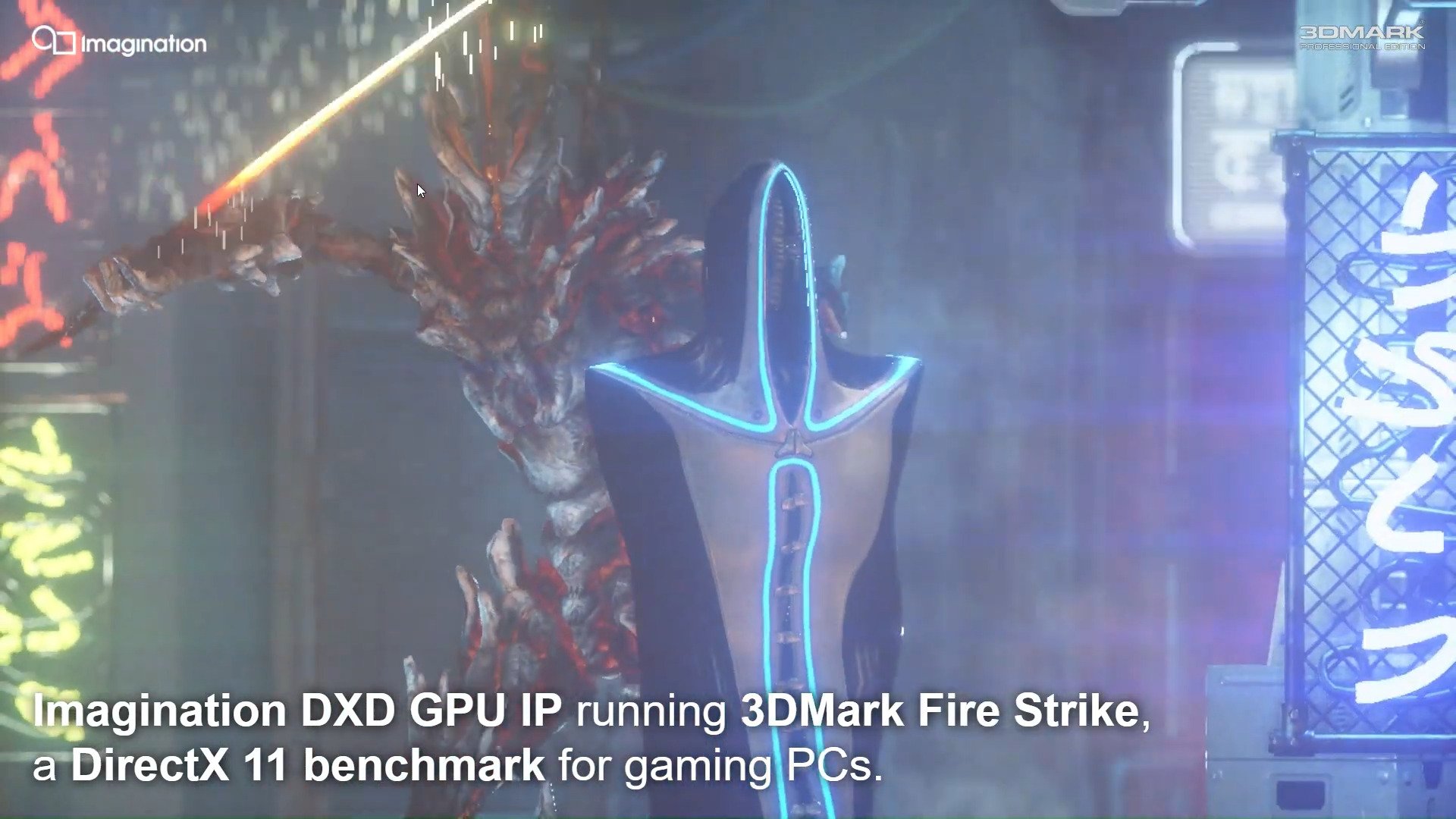
Today's demonstration showcases Imagination's progress in supporting DirectX workloads, a critical requirement for mainstream PC gaming. The company released a video running 3DMark Fire Strike, a DirectX 11 benchmark for gaming PCs, demonstrating real silicon handling complex graphics workloads with confidence.
"We started adding hardware-based support for DirectX to our GPUs with our last generation, D-Series," Imagination explained in its announcement. "Below you can see it in action, in real silicon, handling complex DirectX 11 workloads with confidence."
This demonstration addresses a significant pain point that has plagued previous PowerVR-based desktop cards. Reviews and hands-on tests of Chinese PowerVR architecture cards have often highlighted poor support for PC gaming titles, particularly newer games. The ability to run DirectX 11 workloads smoothly represents a foundational requirement for any GPU hoping to compete in the PC gaming market.
The Road Ahead
The DirectX 11 demonstration is just the beginning of Imagination's roadmap for higher-power devices. The company has indicated that this is the start of its commitment to a long-term strategy embracing PC-class devices, suggesting that future demonstrations will likely showcase DirectX 12 support and other modern graphics features.
However, the path forward won't be easy. Even if Imagination's demos continue to improve and add modern features, the company faces an uphill battle against established players. The PC gaming market is dominated by NVIDIA and AMD, with both companies investing billions in R&D and enjoying extensive software ecosystem support.
Market Implications
Imagination's renewed focus on PC gaming comes at a time when the GPU market is experiencing significant shifts. The rise of AI workloads, increasing demand for cloud gaming services, and geopolitical tensions affecting semiconductor supply chains have created opportunities for alternative architectures.
Chinese GPU manufacturers, in particular, are seeking domestic solutions to reduce reliance on Western technology. Imagination's partnership with companies like Moore Threads and Innosilicon positions it well to capitalize on this demand, though success will depend on delivering competitive performance and comprehensive software support.
Technical Challenges
Moving from mobile to desktop graphics involves overcoming numerous technical hurdles. Desktop GPUs operate at higher power envelopes, generate more heat, and require different architectural optimizations compared to mobile parts. They also need to support a wider range of display resolutions, refresh rates, and output standards.
Additionally, PC gaming demands extensive driver support, compatibility with various operating systems, and integration with gaming platforms and services. Imagination will need to build out these capabilities significantly to compete effectively.
The Verdict
While today's DirectX 11 demonstration is an important milestone, it's just one step in what will likely be a multi-year journey for Imagination Technologies. The company has shown it can handle DirectX 11 workloads, but the real test will come when these GPUs face off against contemporary offerings in real-world gaming scenarios.
As Imagination continues to develop its PC-focused GPU architectures, the industry will be watching closely to see if this venerable British company can successfully pivot from mobile graphics pioneer to legitimate PC gaming contender. The road ahead is challenging, but the potential rewards – including a foothold in the lucrative PC gaming market and reduced dependence on mobile revenue – make this strategic pivot worth pursuing.
For now, PC enthusiasts and industry watchers alike will be staying tuned to see what Imagination reveals next in its ambitious push into desktop and workstation graphics.
Comments
Please log in or register to join the discussion