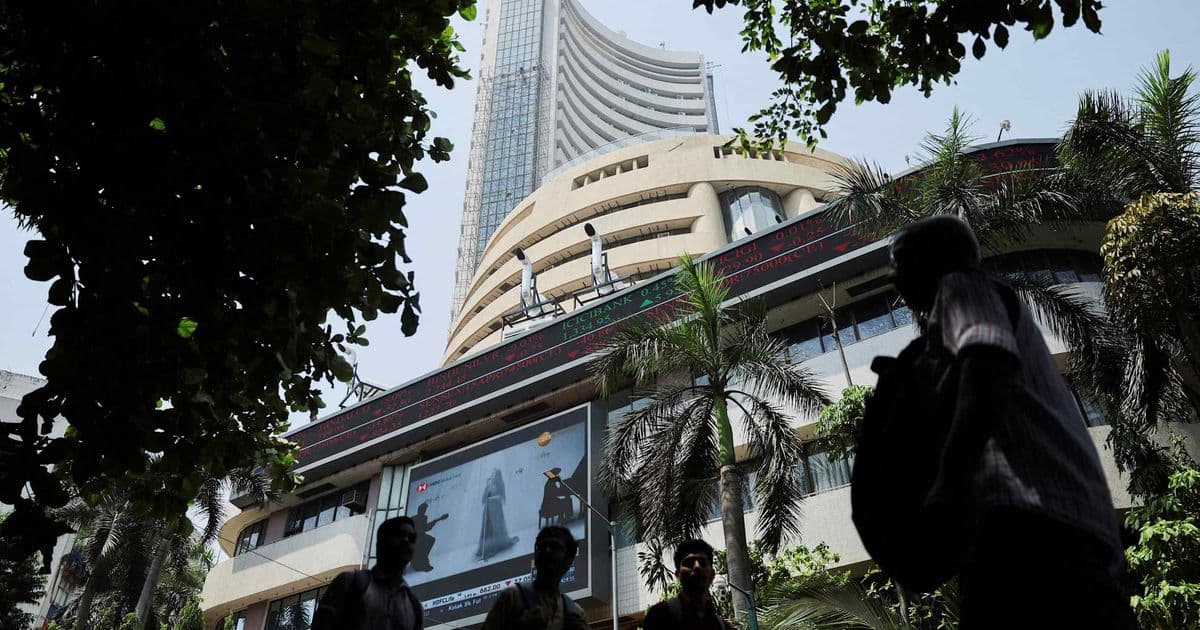
India's central bank introduces stricter lending rules for brokers, requiring 50% collateral for bank guarantees and banning proprietary trading loans, causing major brokerage shares to drop 3-7%.
India's capital market intermediaries face a significant shakeup as the Reserve Bank of India (RBI) introduced tighter lending rules that have already sent brokerage shares tumbling. The new regulations, effective April 1, require 50% collateral for bank guarantees with 25% in cash and prohibit loans for proprietary trading by brokerages using their own funds.
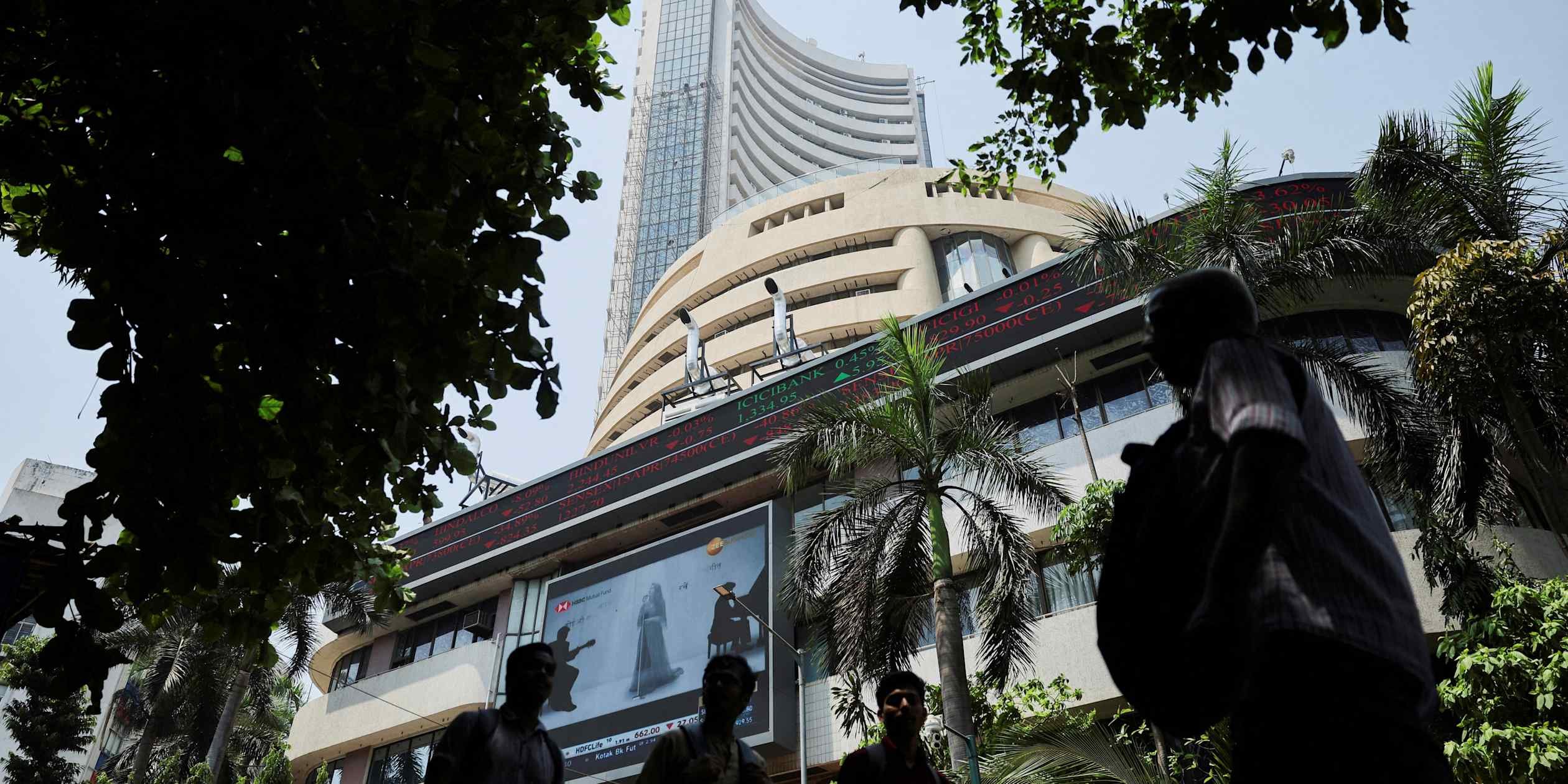
The immediate market reaction was swift and severe. Shares of the Bombay Stock Exchange (BSE) dropped approximately 7% in midday trading, while major brokerage firms like Groww and Angel One saw declines between 3% and 7%. These sharp movements reflect investor concerns about the increased costs and operational challenges these rules will impose on brokerage businesses.
According to analysts at JM Financial Institutional Securities, the new rules will make borrowing from the "bank channel unsuitable for brokers, and they will only use it for short-term mismatches." Angel One, which saw its shares fall over 5%, will need to diversify its funding sources. As of March 2025, the company had owed about half of its 34 billion rupee ($375.4 million) aggregate borrowings to commercial banks.
The impact extends beyond just borrowing costs. Jefferies analysts note that the higher collateral requirements will increase costs for proprietary trading, where companies trade using their own earnings rather than client funds. Proprietary traders currently account for about half of the total value of premiums and roughly a third of cash turnover on equity option trading in India.
These regulatory changes come at a particularly challenging time for the Indian brokerage industry. Just weeks earlier, the government proposed increasing the securities transaction tax, raising futures trading rates from 0.02% to 0.05% and options trading rates from 0.1% to 0.15%. Jefferies estimates that the combined impact of these rules on proprietary trading could affect 10-12% of options trading turnover, translating to approximately a 10% earnings impact for the BSE.
India's derivatives market, the world's largest by trading volume, has been under increasing regulatory scrutiny. Over the first nine months of 2025, half of all derivatives contracts traded globally were executed on the BSE and its local peer, the National Stock Exchange (NSE). The high-risk nature of these markets has raised concerns, with 91% of individual retail traders losing money in the fiscal year ending March 2025.
In July 2025, the market regulator banned market-making company Jane Street for alleged manipulation of stock indices underlying popular options, highlighting the risks to retail investors. The company has since appealed the verdict.
The timing of these rules is particularly noteworthy as they follow the NSE's approval for a long-awaited initial public offering earlier this month, after receiving permission from the market regulator. This suggests a coordinated effort to strengthen market infrastructure and investor protection ahead of the exchange's public listing.
For brokerage firms, the new rules necessitate a strategic pivot. Companies will need to explore alternative funding sources such as commercial paper and non-convertible debentures to replace traditional bank lending. The increased collateral requirements will likely force many proprietary trading desks to scale back operations or exit the market entirely, potentially reducing market liquidity but also lowering systemic risk.
These regulatory changes reflect India's broader efforts to balance market growth with investor protection, particularly for retail participants who have been disproportionately affected by the high-risk derivatives trading environment. While the immediate market reaction has been negative, the long-term impact could lead to a more stable and sustainable capital market ecosystem.
Comments
Please log in or register to join the discussion