
Amazon's 'Project Dawn' layoff code name sparked curiosity about corporate naming conventions. From telegraph systems to modern tech giants, code names have evolved from practical tools to strategic corporate language, sometimes masking difficult decisions behind friendly-sounding project names.
When Amazon accidentally revealed its layoff plan with the code name "Project Dawn," it raised eyebrows across the corporate world. Why would a company give its layoffs a nickname? The answer reveals a fascinating history of how businesses use code names to manage sensitive initiatives, from telegraph systems to modern tech giants.

The Origins of Corporate Code Names
The practice of using code names in business dates back further than you might think. In 1888, The English Illustrated Magazine described how the British Post Office used abbreviated two or three-letter code names like "LV" for Liverpool and "EH" for Edinburgh to streamline telegraph communications. This practical solution to avoid confusion on busy telegraph lines eventually evolved into a broader business practice.
By 1919, New York City had established a central bureau for registered addresses specifically to prevent telegraph mix-ups. These early code names functioned much like domain names do today—simple identifiers that made complex systems manageable.
Why Tech Companies Love Code Names
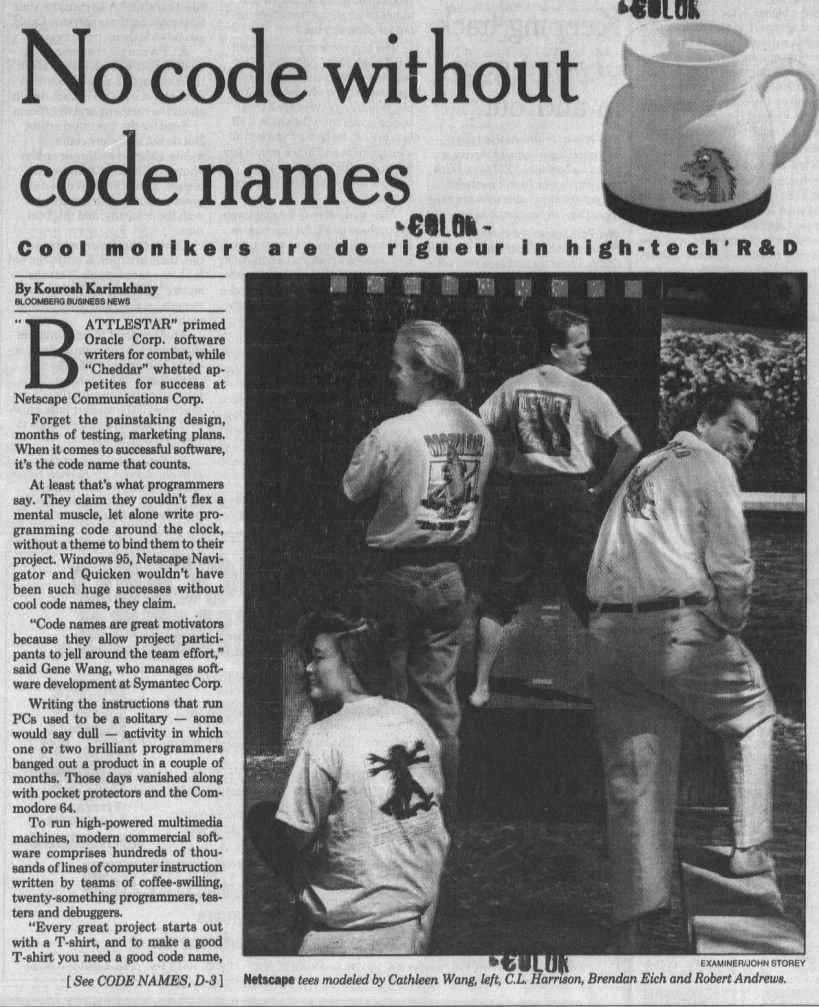
In the technology industry, code names have become particularly prevalent and often take on a life of their own. The word "Mozilla" began as the code name for Netscape Navigator, the web browser that eventually evolved into Firefox. Netscape employees even wore Mozilla-branded gear in photos for the San Francisco Chronicle back in the 1990s.
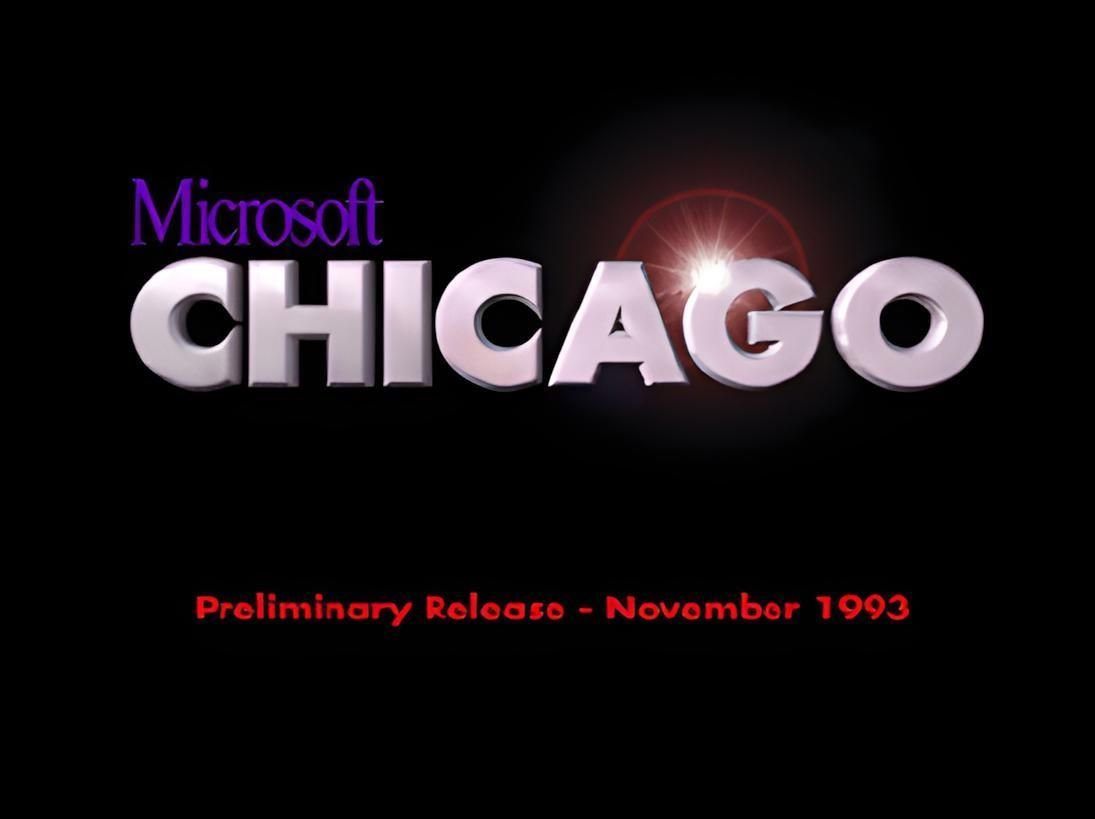
Apple is notorious for its code names, with operating systems like "Chicago" (Windows 95) and various animal-themed names for MacOS versions. These code names often start as internal identifiers but sometimes become the actual product names that consumers recognize.
Microsoft maintains an extensive list of code names throughout its history, so extensive that Wikipedia has a dedicated page for them. The company's Chicago project for Windows 95 is a prime example of how these internal designations can leak into public consciousness.
The Strategic Purpose Behind Code Names
Code names serve multiple strategic purposes in corporate environments:
Marketing and Timing Control: Companies use code names to maintain secrecy until they're ready for a public reveal. As explained by a game development professional on Tumblr, revealing a project too early can trigger a cascade of unintended announcements that affect merchandise, marketing campaigns, and business partnerships.
Organizational Efficiency: Large projects need identifiers before marketing teams finalize official names. Code names provide a working title that teams can rally around during development.
Security and Confidentiality: For sensitive initiatives like CEO recruitment or major restructuring, code names create a layer of protection against leaks and premature disclosure.
When Code Names Mask Difficult Decisions
Perhaps most controversially, companies sometimes use code names for initiatives that involve significant workforce reductions. Amazon's "Project Dawn" is just one example of this practice. Other companies have used similarly upbeat or abstract names for their restructuring efforts:
- Red Robin's "North Star" initiative
- General Mills' multiple projects (Compass, Century, Catalyst)
- Kellogg's "K-LEAN" and "Project K"
- Starbucks' "Back to Starbucks"

These names often employ positive or abstract language that can soften the impact of difficult decisions. "Project Dawn" suggests new beginnings rather than endings. "North Star" implies guidance and direction rather than job losses.
The Psychology of Corporate Renaming
Corporate turnaround expert Daniel Schmeltz explains that companies often use grandiose code names during periods of significant distress. "There are different degrees of distress," he notes. "Generally, the more grandiose the name, the more severe the distress."
This naming strategy serves several psychological purposes:
Emotional Distance: Code names create separation between the decision-makers and the human impact of their choices
Positive Framing: Upbeat names can make difficult news more palatable for both internal and external audiences
Organizational Cohesion: A shared code name can help teams feel they're working toward a common goal, even during challenging times
Common Corporate Naming Patterns
Companies tend to follow certain patterns when naming their initiatives:
Pun-Based Names: Jack in the Box's "Jack on Track" and Panera's "Panera RISE" play on company names or products
Upgrade Terminology: Dell's "Dell 2.0" and Intel's "IDM 2.0" suggest improvement and evolution
Deadline-Driven Names: German automaker Opel's "DRIVE!2022" campaign set clear timelines
Abstract Concepts: Names like "Project Catalyst" or "Project Phoenix" evoke transformation without specifics
Directional Names: "North Star" or "Back to Starbucks" suggest clear strategic direction
The Evolution of Code Name Culture
The need for code names has evolved with changing business practices. In the era of lengthy software development cycles, code names were essential placeholders. However, as release schedules have accelerated—with some companies releasing updates every 3-6 months—the necessity for code names has diminished in some areas.
Yet internal projects and sensitive initiatives still benefit from the anonymity that code names provide. The practice has become so ingrained in corporate culture that some companies have developed systematic approaches to generating them.
The Double-Edged Sword of Corporate Code Names
While code names can serve legitimate organizational purposes, they can also create discomfort and suspicion. When used to mask layoffs or restructuring, they may appear to be attempts to obscure harsh realities behind friendly language.
The use of code names like "Project Dawn" for layoffs can feel particularly tone-deaf, especially when revealed accidentally to affected employees. It raises questions about corporate transparency and the balance between strategic communication and honest disclosure.
Conclusion: The Future of Corporate Code Names
As business practices continue to evolve, the role of code names may shift. While they remain valuable for managing sensitive information and creating organizational cohesion, their use for masking difficult decisions may face increasing scrutiny.
The next time you hear about a company's "Project Sunrise" or "Operation North Star," you might wonder: what's really behind that friendly name? In the corporate world, sometimes a code name is just a code name—but other times, it's a window into how companies manage change, both strategically and emotionally.
Comments
Please log in or register to join the discussion