Japanese trading house Sojitz plans to diversify Japan's rare earth supply chain by expanding imports from Australia, adding samarium and scaling up to six medium-to-heavy rare earth elements by mid-2027.
Japanese trading house Sojitz is set to significantly expand its imports of Australian rare earths, marking a strategic move to reduce Japan's dependence on Chinese sources for critical materials used in high-tech manufacturing.
Starting in April 2026, Sojitz will begin importing samarium, a key permanent magnet material essential for electric vehicles, wind turbines, and advanced electronics. The company plans to scale up its portfolio from the current two medium-to-heavy rare earth elements to as many as six by mid-2027.
This expansion comes as part of Japan's broader strategy to diversify its rare earth supply chains away from China, which currently dominates global production and has previously used export restrictions as a geopolitical tool. The move follows years of diplomatic tensions and supply chain vulnerabilities that have pushed Japanese companies to seek alternative sources.
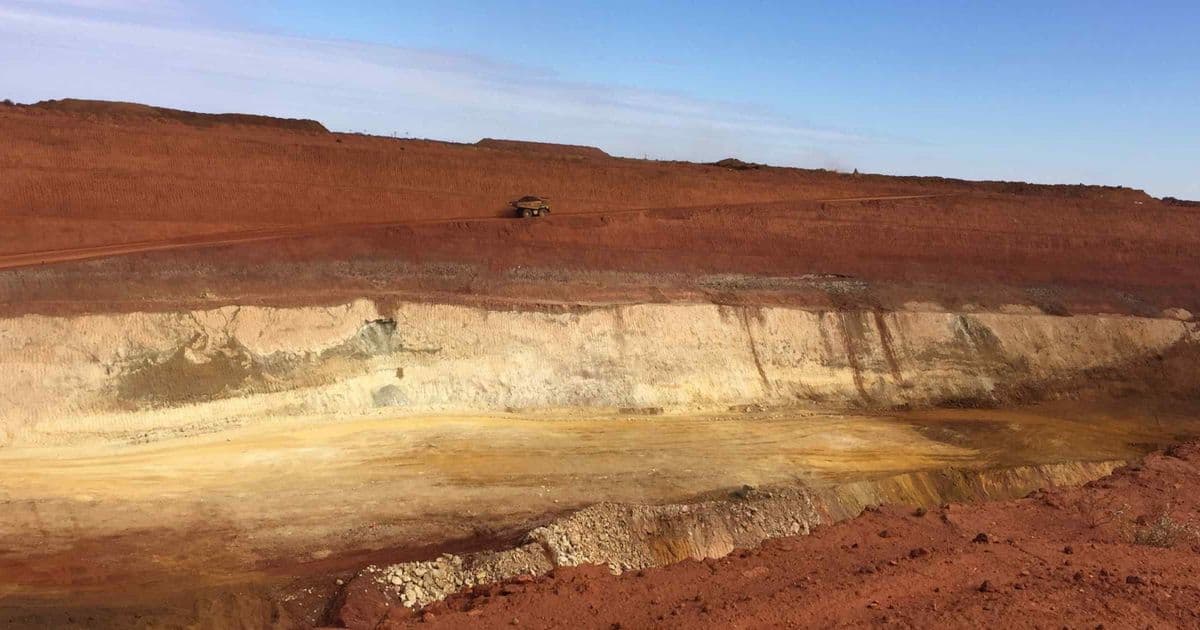
The Australian connection is particularly significant. Sojitz has partnered with Lynas Rare Earths, which operates the Mount Weld mine in Western Australia - one of the world's highest-grade rare earth deposits. The site, located northeast of Perth, has been a cornerstone of Australia's rare earth industry since its development.
Market Context and Strategic Implications
China's dominance in rare earth production has long been a concern for Japan, which relies heavily on these materials for its automotive and electronics industries. The country imports approximately 60% of its rare earth needs from China, making it vulnerable to supply disruptions.
Recent price surges in rare earth elements have underscored the urgency of diversification. Record-high prices have been driven by China's export curbs and increasing global demand for electric vehicles and renewable energy technologies. This market volatility has accelerated efforts by Japanese companies to secure alternative supply sources.
The timing of Sojitz's expansion is particularly noteworthy given current geopolitical tensions. With the United States also seeking to establish critical minerals trading blocs to counter China's influence, Japan's move aligns with broader Western efforts to reduce dependence on Chinese rare earth supplies.
Technical and Economic Considerations
Medium-to-heavy rare earth elements like samarium, dysprosium, and terbium are particularly valuable due to their use in high-performance permanent magnets. These materials are difficult to substitute and command premium prices in the global market.
The expansion to six different rare earth elements represents a significant diversification of Japan's supply base. This approach not only reduces supply risk but also provides Japanese manufacturers with more stable pricing and guaranteed access to critical materials.
From an economic perspective, the move could help stabilize rare earth prices in the Japanese market. By securing direct supply agreements with Australian producers, Sojitz can potentially offer more competitive pricing to Japanese manufacturers while ensuring supply chain security.
Broader Industry Impact
The expansion of Australian rare earth imports to Japan could have ripple effects throughout the global supply chain. It may encourage other Japanese trading houses and manufacturers to follow suit, potentially creating a more balanced global rare earth market.
This development also highlights the growing importance of Australia as a reliable alternative source for critical minerals. The country's stable political environment and established mining infrastructure make it an attractive partner for countries seeking to diversify away from Chinese supplies.
Looking ahead, the success of Sojitz's expansion could serve as a model for other countries looking to reduce their dependence on Chinese rare earths. The combination of strategic partnerships, long-term supply agreements, and investment in processing infrastructure appears to be the key to building resilient supply chains.
The move also reflects a broader trend in global trade, where countries are increasingly prioritizing supply chain security over pure cost considerations. As tensions with China continue and demand for rare earth elements grows, such diversification strategies are likely to become increasingly common.
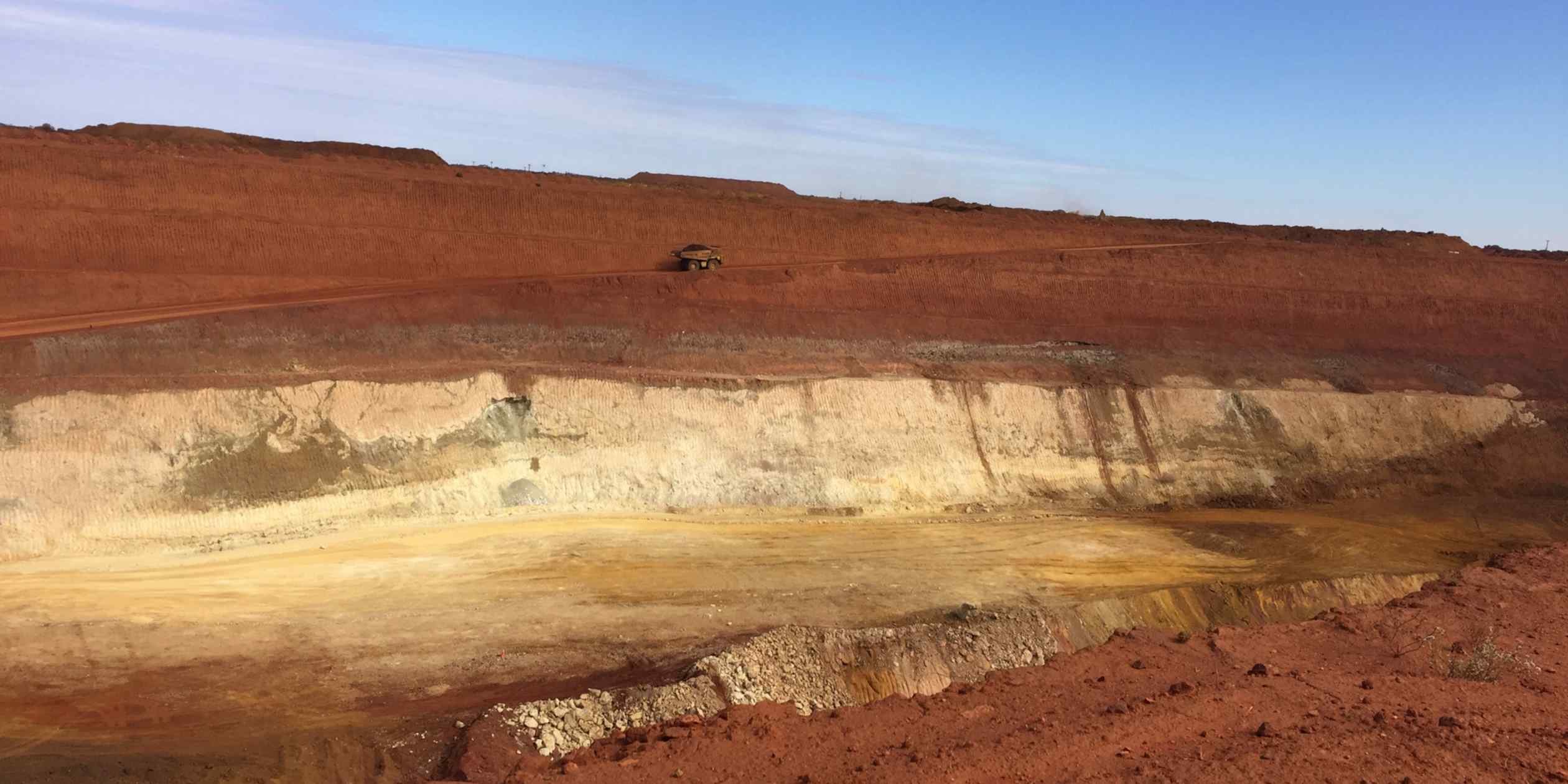
Image: A truck travels toward Lynas' Mount Weld processing plant in Western Australia, highlighting the source of Japan's expanding rare earth imports.
Comments
Please log in or register to join the discussion