Seagate's earnings reveal enduring storage needs in the AI era, while Moonshot and OpenAI push multimodal AI capabilities—even as Anthropic's rumored funding suggests inflated valuations.
The Unseen Engine of AI: Storage Demand Hits New Highs
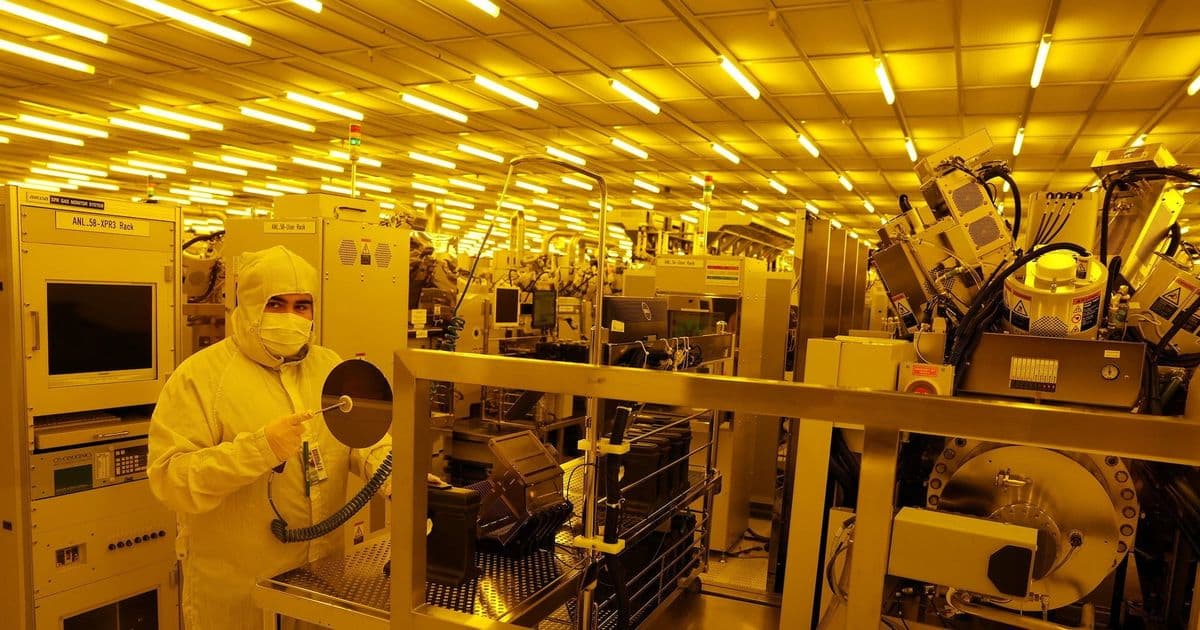
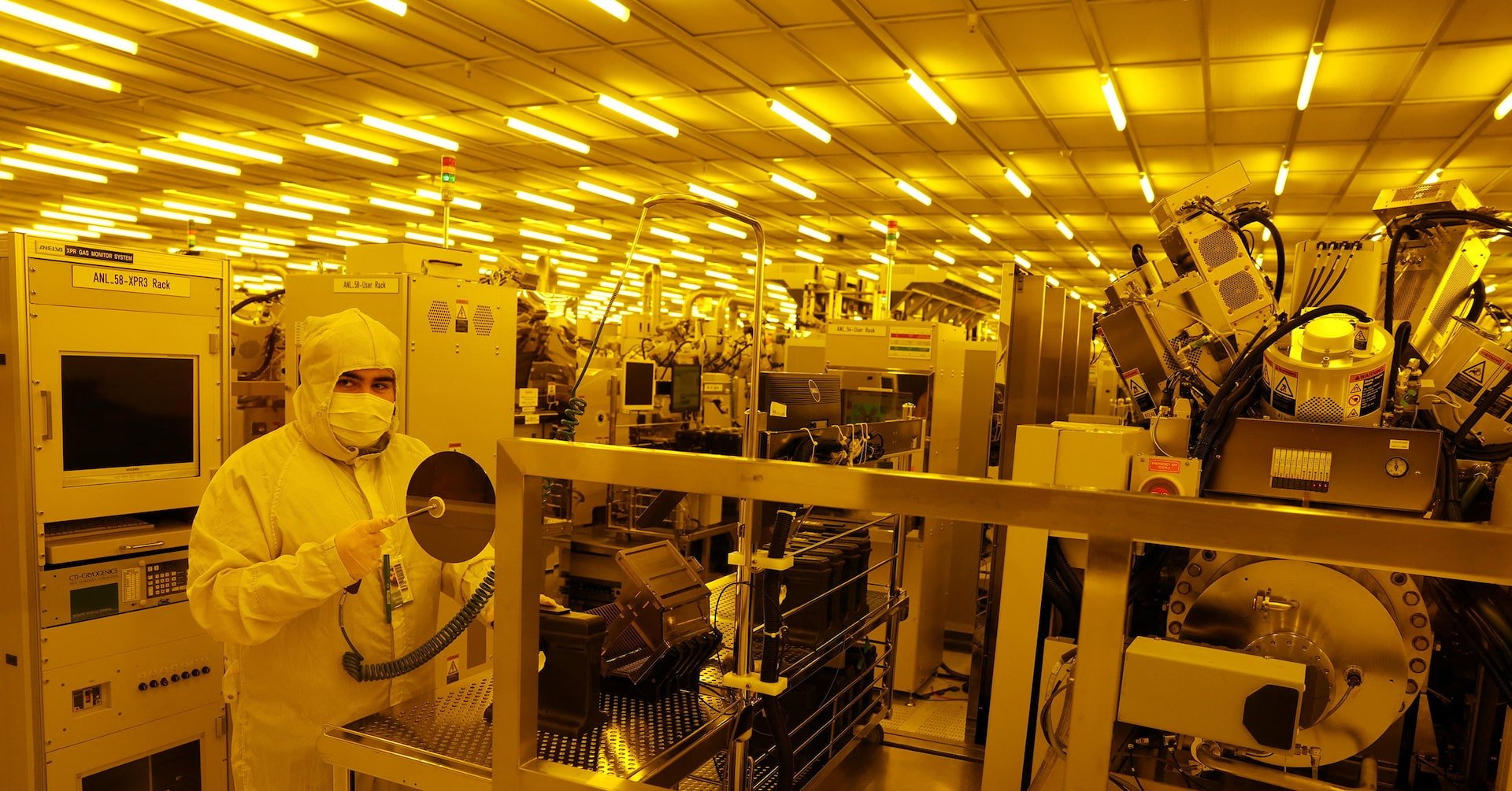
Seagate's Q2 earnings report reveals a 22% year-over-year revenue increase to $2.83 billion, beating analyst estimates. The company attributes this growth to insatiable demand for high-capacity drives from cloud providers and AI firms training increasingly large models. While flash storage dominates latency-sensitive workloads, Seagate's heat-assisted magnetic recording (HAMR) drives now ship at 32TB capacities, with 50TB models slated for 2027. This resurgence contradicts predictions of HDD's obsolescence, underscoring how AI's data appetite necessitates cost-effective bulk storage.
Counterpoint: Analysts note HDD revenue per unit continues declining (-7% YoY), forcing Seagate to rely on volume growth. Competitors like Western Digital are pivoting toward enterprise SSDs, betting on falling NAND prices.
Moonshot's Kimi K2.5: Open-Source Multimodal Ambition
Chinese AI startup Moonshot unveiled Kimi K2.5, a purportedly open-source model trained on 15 trillion multimodal tokens. Technical documents claim it can coordinate "100 sub-agents" for complex tasks and process video natively—a rarity among open models. Early benchmarks on Hugging Face show competitive performance against Llama 3 70B in Chinese and English reasoning tasks.
Community skepticism centers on training data transparency. Unlike Meta's openly documented datasets, Kimi's "mixed visual and text tokens" lack provenance details. Researchers also question the practicality of running 32B-parameter models with 100-agent swarms, given prohibitive GPU memory requirements.
OpenAI Targets Academia with LaTeX-Integrated Prism
OpenAI's new Prism tool embeds GPT-5.2 into a free cloud-based LaTeX editor, assisting with paper drafting and citation management. The move signals strategic expansion beyond consumer chatbots into academic workflows—a market dominated by Overleaf. Unique features include automated BibTeX generation and claim verification against connected research papers.
Critics argue LaTeX's steep learning curve limits Prism's appeal to senior researchers. Early users report hallucinations in niche domains, suggesting the tool currently serves best as a collaborative assistant rather than autonomous author.
Anthropic's Funding Frenzy Collides With Scrutiny
Reports of Anthropic seeking $20 billion at a $350 billion valuation—double its 2025 target—highlight investor frenzy around AI safety narratives. Documents leaked in a DOJ lawsuit reveal Project Panama, an alleged scheme to scan copyrighted books via destructive physical digitization. This follows FTC allegations that Anthropic's constitutional AI methods may illegally collude with competitors on safety standards.
Regulatory Reverb: France's Sovereignty Push
France announced plans to replace Microsoft Teams and Zoom with sovereign alternative Visio by 2027. Hosted on Outscale's government-certified cloud, the move extends Europe's campaign to reduce U.S. SaaS dependence. However, Visio's current feature gap—lacking breakout rooms and webinar support—raises migration concerns.
The Bottom Line
While AI headlines focus on model capabilities, Seagate's results remind us that data infrastructure remains the unglamorous backbone. As open-source models like Kimi advance, their real-world utility will depend on accessible deployment options—not just benchmark scores. Meanwhile, Anthropic's valuation surge suggests investors are betting on regulatory moats as much as technical prowess.
Comments
Please log in or register to join the discussion