Google's Android team has begun using AutoFDO (Automatic Feedback Directed Optimization) to optimize the Linux kernel builds used in Android, resulting in measurable performance improvements across boot times, app launches, and system operations.
Google's Android LLVM toolchain team has publicly announced their adoption of AutoFDO (Automatic Feedback Directed Optimization) for compiling the Linux kernel used in Android devices. This optimization technique, which leverages real-world execution patterns through profiling, has yielded significant performance improvements for Android users, particularly on Pixel devices.
AutoFDO works by collecting runtime profiling data from actual device usage and feeding this information back into the compiler during the build process. This allows the compiler to make more intelligent optimization decisions based on how the code actually runs in practice, rather than relying solely on static analysis. The technique has been previously employed by Intel for their Clear Linux distribution packages, demonstrating its effectiveness in production environments.
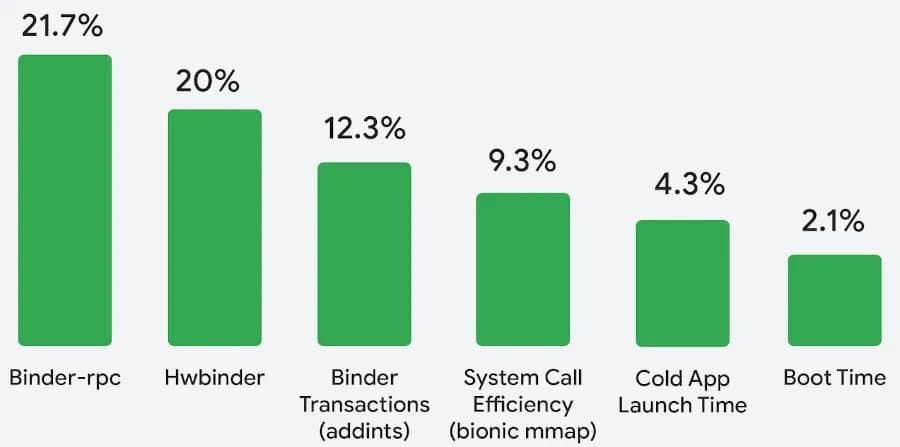
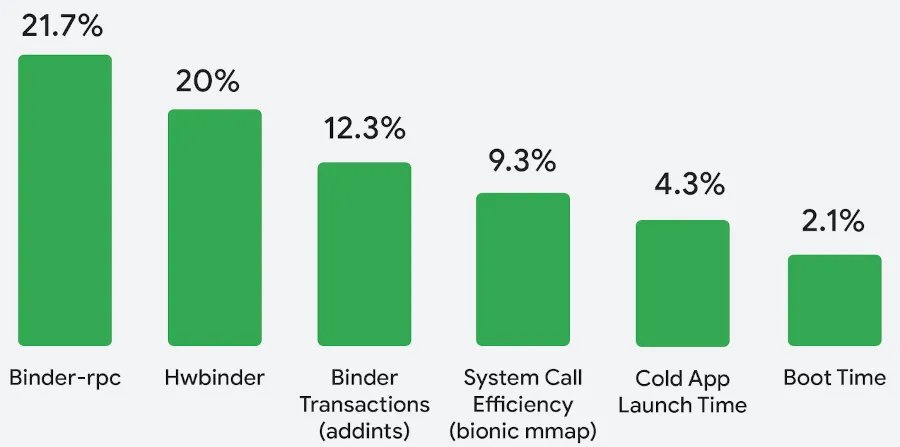
Google engineers observed several concrete performance gains after implementing AutoFDO optimizations on Android's Linux kernel builds. Cold app launch times improved by over 4%, boot times became 2% faster, and Binder IPC tests showed improvements of up to 21%. These improvements translate to tangible user experience benefits, with apps starting more quickly and the system responding more responsively to user interactions.
The AutoFDO optimization is currently being used on Android 16 with kernel version 6.12 and Android 15 with kernel version 6.6. Google is actively working to extend this optimization to newer Generic Kernel Image (GKI) kernel versions and plans to support architectures beyond just AArch64, which would broaden the benefits to a wider range of Android devices.
This optimization strategy represents Google's continued investment in improving Android's core performance through advanced compiler techniques. By applying AutoFDO to the Linux kernel itself, Google is addressing performance at a fundamental level, potentially benefiting all applications and system operations running on the platform.
For developers and enthusiasts interested in the technical details of Google's implementation, the Android team has published a comprehensive blog post explaining their approach to AutoFDO optimization for the Linux kernel build on Android. This transparency allows the broader open-source community to understand and potentially apply similar optimization techniques to their own projects.
The adoption of AutoFDO for Android's Linux kernel builds demonstrates how sophisticated compiler optimizations can deliver meaningful performance improvements without requiring hardware changes. As Google continues to refine and expand this optimization across more kernel versions and architectures, Android users can expect further performance gains in future releases.

Comments
Please log in or register to join the discussion