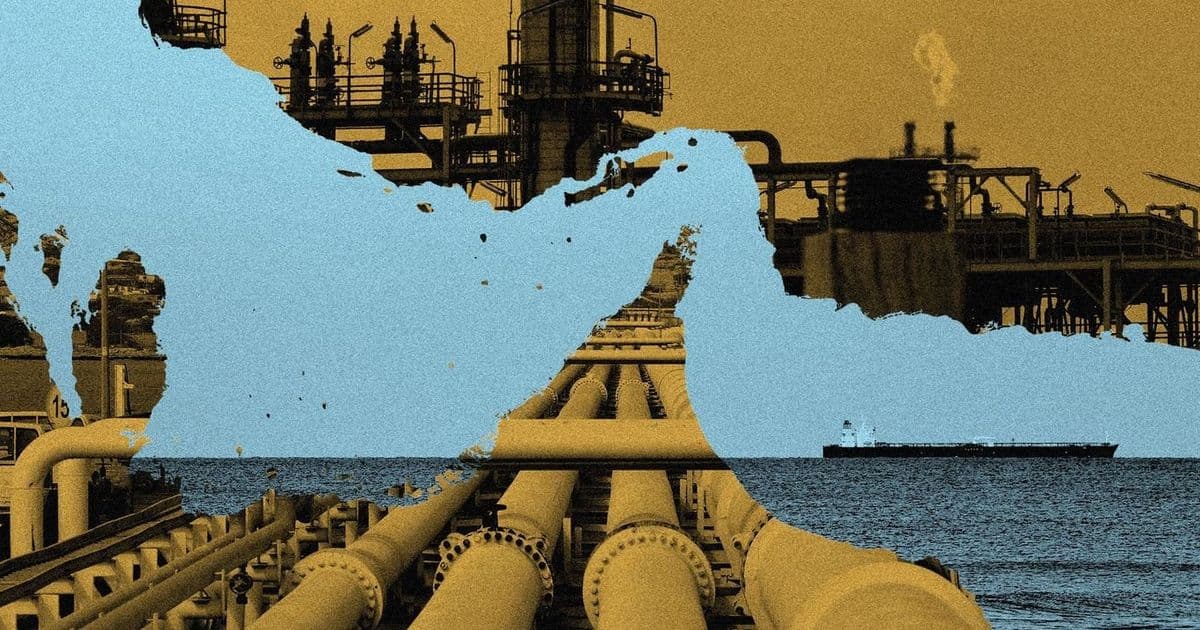
Geopolitical tensions and AI-driven energy demand create volatility at CERAWeek, forcing energy executives to confront an increasingly uncertain future.
The annual CERAWeek energy conference in Houston has been rocked by a perfect storm of geopolitical instability and technological disruption, with executives grappling with the dual threats of a potential Iran war and surging AI-driven energy demand.
Geopolitical tensions dominate discussions
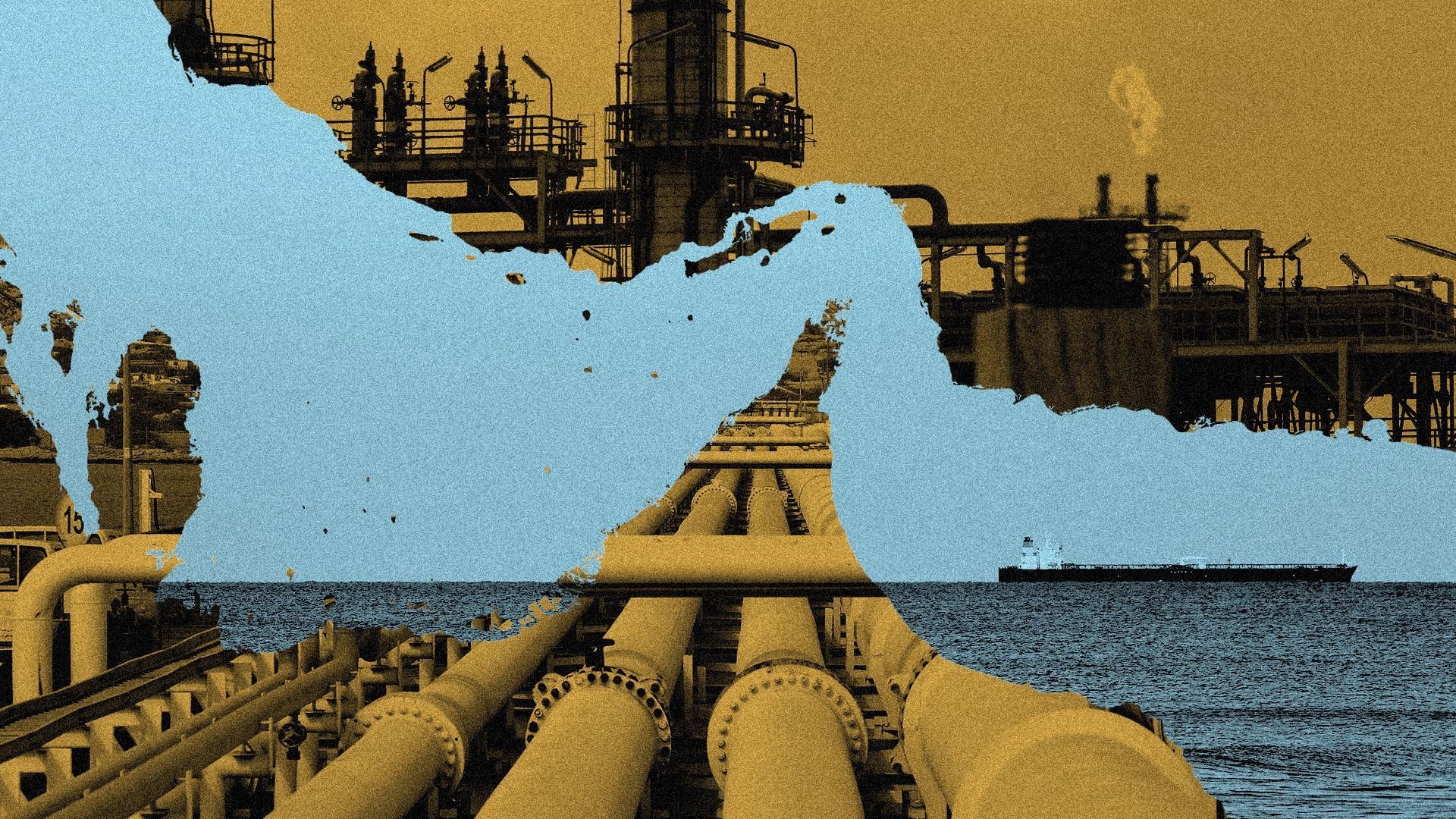
The specter of military conflict with Iran looms large over this year's conference, with oil executives warning that any disruption to Middle East supplies could send crude prices soaring past $100 per barrel. The Strait of Hormuz, through which roughly 20% of global oil flows, has become a focal point of anxiety as tensions between the U.S. and Iran continue to escalate.
"We're seeing a level of geopolitical uncertainty we haven't experienced in decades," said one senior executive from a major oil company, speaking on condition of anonymity. "The market is pricing in a significant risk premium, and that's before factoring in the AI demand surge."
AI's unexpected energy appetite
Perhaps more surprising than the geopolitical concerns is the sudden realization among energy executives about AI's voracious appetite for electricity. Data centers powering artificial intelligence systems are projected to consume up to 9% of U.S. electricity by 2030, up from just 3% today, according to recent estimates from Boston Consulting Group.
This surge in demand is forcing a complete rethink of energy infrastructure planning. "We built our grids for a different era," said Sarah Johnson, CTO of a major utility company. "AI data centers need 24/7 reliable power, and that's changing everything from our generation mix to our transmission strategies."
Market volatility intensifies
Oil markets have responded with extreme volatility, with Brent crude swinging between $75 and $85 per barrel in recent weeks as traders weigh the competing forces of potential supply disruptions against weakening global economic growth. The uncertainty has created a challenging environment for energy companies trying to plan long-term investments.
Natural gas markets are experiencing similar turbulence, with prices in Europe spiking 15% after reports of potential supply disruptions from Russia. The conflict in Ukraine continues to cast a long shadow over energy security discussions, with many European executives expressing concern about the durability of current supply arrangements.
Technology's double-edged sword
While AI is creating new demand for energy, it's also being touted as a potential solution to some of the industry's biggest challenges. Machine learning algorithms are being deployed to optimize drilling operations, predict equipment failures, and improve energy efficiency across the value chain.
"AI is both the problem and the solution," noted Dr. Michael Chen, an energy technology consultant. "It's creating unprecedented demand for computing power, but it's also helping us manage that demand more efficiently than ever before."
Investment strategies in flux
The uncertainty is forcing energy companies to reassess their investment strategies. Traditional oil and gas projects, which typically require 5-10 year investment horizons, are becoming harder to justify in an environment where geopolitical risks can change overnight.
Meanwhile, renewable energy investments are accelerating, but not necessarily for the reasons climate advocates might hope. "We're seeing a lot of interest in renewables, but it's primarily driven by energy security concerns rather than environmental ones," said one investment banker specializing in energy projects.
The Texas connection
Houston's role as the energy capital of the world is being tested by these converging crises. The city has already seen a surge in data center construction, with tech companies racing to establish AI computing hubs in Texas's business-friendly environment.
This boom is creating both opportunities and challenges for the local energy ecosystem. "We're seeing unprecedented demand for industrial-scale power connections," said a spokesperson for the Electric Reliability Council of Texas. "Some of these data center projects are requiring power equivalent to small cities."
Looking ahead: A new energy paradigm?
As the conference wraps up, there's a growing sense among attendees that the energy industry is entering a fundamentally different era. The combination of geopolitical instability and AI-driven demand is creating a more volatile, less predictable market environment.
"The old models aren't working anymore," said one veteran energy analyst. "We used to be able to plan based on steady demand growth and relatively stable geopolitics. Now we're dealing with black swan events as the new normal."
For Houston and the broader energy industry, the path forward will require unprecedented flexibility and innovation. Whether the industry can adapt quickly enough to these converging challenges remains the central question hanging over this year's CERAWeek conference.
Comments
Please log in or register to join the discussion