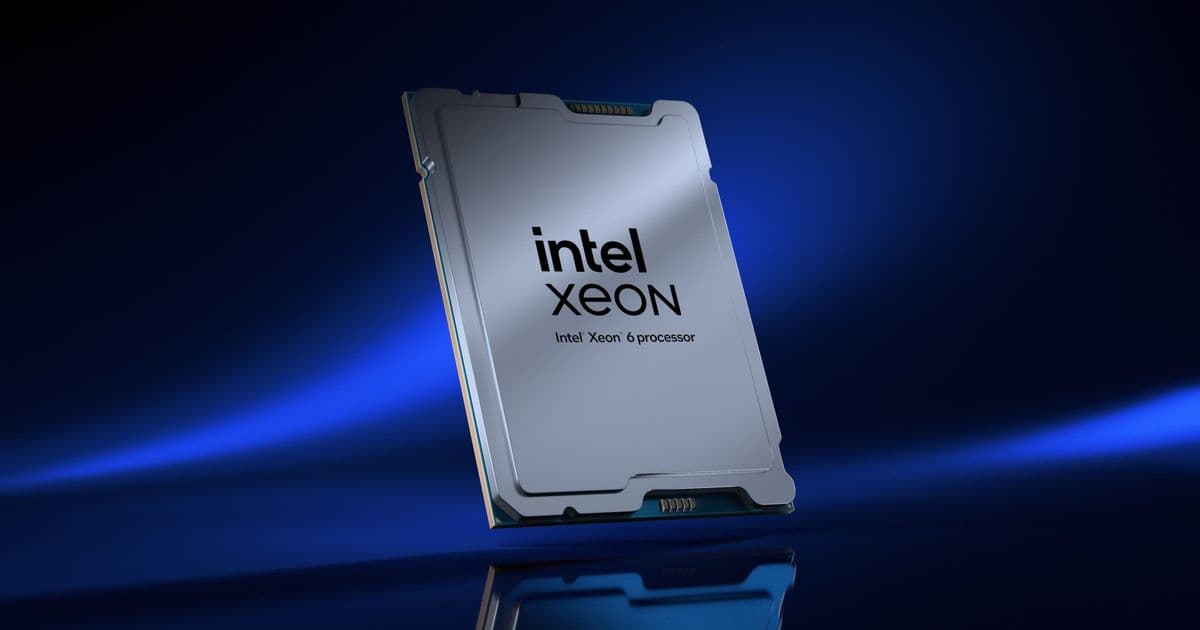
Intel and AMD are facing severe server CPU supply shortages in China, with delivery delays of up to 6 months and price increases of 10% for Xeon chips, driven by explosive AI infrastructure demand.
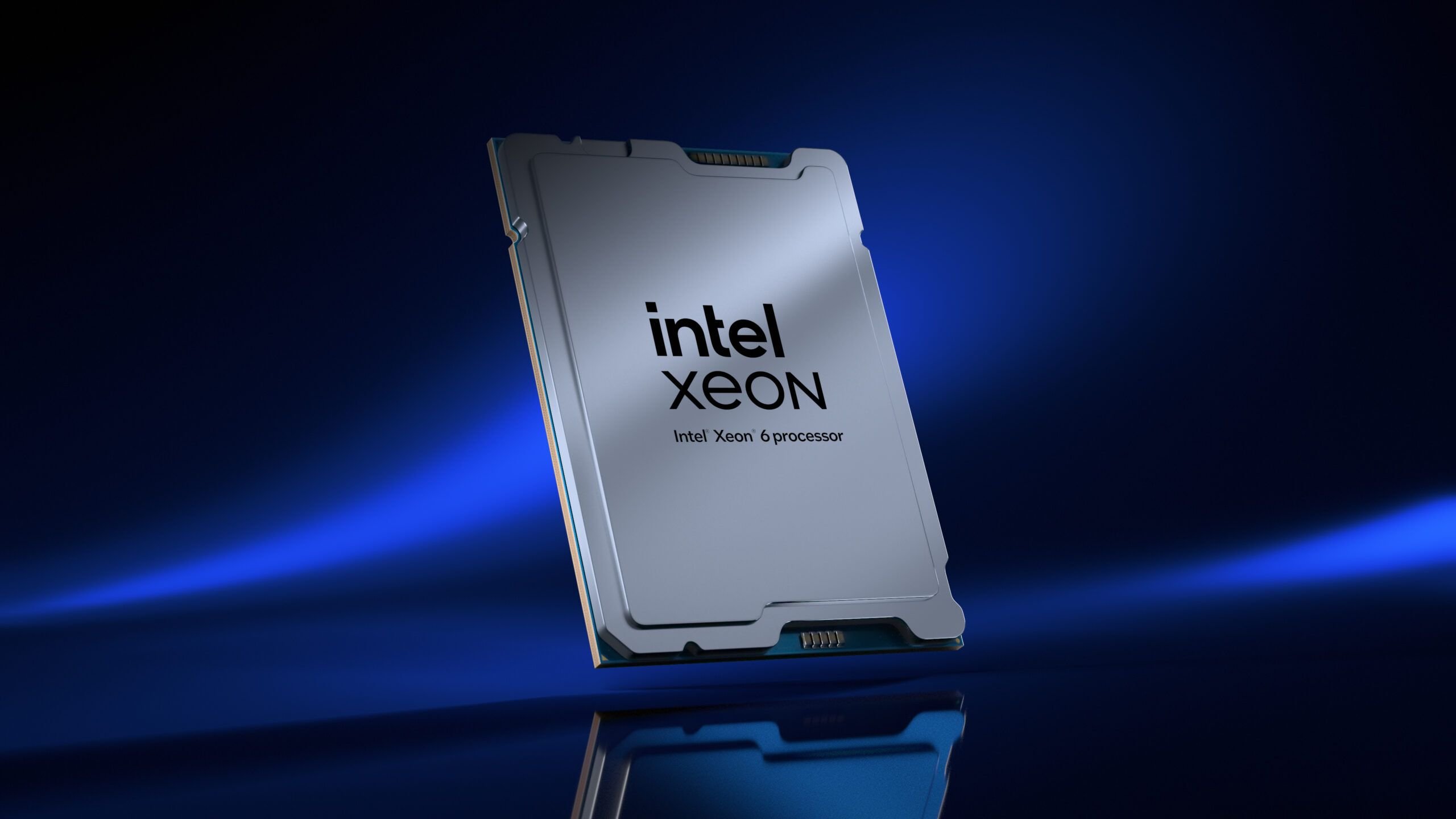
Both Intel and AMD are grappling with significant server CPU supply constraints in China, with delivery delays stretching up to six months and prices rising by as much as 10% for Intel's Xeon processors, according to multiple industry sources.
Supply Chain Disruption Hits Critical Infrastructure
The shortage stems from a perfect storm of factors affecting the global semiconductor supply chain. Intel has warned customers that some Xeon CPU deliveries could be delayed by as much as six months, while AMD is experiencing lead times of eight to ten weeks for certain server processor models. These delays represent a significant departure from the typical two to four-week delivery windows that data center operators have come to expect.
Sources familiar with the situation indicate that the AI infrastructure boom is pushing chip manufacturing facilities to their absolute limits. The demand for high-bandwidth memory (HBM) has become particularly acute, with industry analysts projecting that data centers will consume 70% of all memory chips by 2026. This massive shift in memory allocation has created ripple effects throughout the entire semiconductor ecosystem.
Memory Shortage Creates Domino Effect
The HBM shortage has triggered a cascade of supply constraints affecting multiple product categories. As memory manufacturers prioritize high-margin HBM production for AI accelerators, traditional DRAM supply has tightened considerably. This has resulted in price increases across the board, from consumer RAM kits to smartphone memory modules.
Manufacturers of consumer electronics, including smartphones, smart TVs, and automobiles, are all experiencing difficulties securing adequate memory supplies. The automotive sector, which relies heavily on both memory and processing power for advanced driver assistance systems and infotainment, has been particularly hard hit.
Data Center Operators Adapt to Shortages
Some data center operators have begun purchasing entirely new server infrastructure earlier than their normal refresh cycles to hedge against the worst of the memory shortage. This preemptive buying behavior has created an unexpected surge in demand that neither Intel nor AMD was fully prepared to meet.
The rise of agentic AI systems has further complicated the supply-demand equation. While these AI agents require powerful GPUs for training and inference tasks, they also need substantial CPU resources for operational functions. This dual requirement means that hyperscalers must now purchase both GPUs and CPUs in larger quantities than ever before.
Industry Response and Market Impact
Intel has acknowledged the supply challenges, stating that inventory levels reached their lowest point in the first quarter but expects improvements beginning in the second quarter and continuing through 2026. The company is implementing aggressive measures to address the shortfall, though specific details of these initiatives remain limited.
AMD has taken a more confident stance, telling industry publications that it remains "confident in our ability to meet customer demand globally based on our strong supplier agreements and supply chain, including our partnership with TSMC." This confidence likely stems from AMD's reliance on Taiwan Semiconductor Manufacturing Company, which has maintained relatively stable production capacity compared to some competitors.
The price increases are already being felt in the market. Intel's Xeon processors have seen approximately 10% price increases, though the final cost to customers may vary depending on individual contract terms and volume commitments. AMD's pricing has remained more stable for now, but industry watchers expect potential adjustments if the supply constraints persist.
Broader Market Implications
This supply shortage occurs against the backdrop of unprecedented demand for AI infrastructure. Major cloud providers and technology companies are racing to build out their AI capabilities, creating competition for limited manufacturing capacity. The situation highlights the vulnerability of the global semiconductor supply chain to sudden demand spikes, particularly in strategic sectors like artificial intelligence.
For enterprise customers, the combination of longer lead times and higher prices means that data center expansion plans may need to be revised or delayed. Some organizations are exploring alternative architectures or considering different processor vendors to mitigate the impact of the shortages.
Looking Ahead
The semiconductor industry has demonstrated remarkable resilience in the face of supply chain disruptions over the past several years. However, the current situation underscores the challenges of scaling production capacity quickly enough to meet explosive demand growth in emerging technology sectors.
Both Intel and AMD are investing heavily in manufacturing capacity expansion, but these investments take years to bear fruit. In the meantime, customers must navigate a market characterized by longer lead times, higher prices, and increased uncertainty about delivery schedules.
As the AI revolution continues to accelerate, the competition for semiconductor manufacturing capacity is likely to intensify further. Companies that can secure reliable supply chains and maintain production flexibility will be best positioned to capitalize on the ongoing digital transformation, while those facing supply constraints may find themselves at a competitive disadvantage in the race to deploy AI infrastructure at scale.
The current shortages serve as a reminder that even in an era of advanced manufacturing and global supply networks, the semiconductor industry remains susceptible to significant disruptions when demand patterns shift dramatically. As AI continues to reshape the technology landscape, ensuring adequate supply of critical components like server CPUs will remain a key challenge for the industry in the years ahead.
Comments
Please log in or register to join the discussion