A new demo shows how to transform the ESP32-S3 microcontroller into a compact computing platform with its own shell, editor, and app ecosystem.
The ESP32-S3 microcontroller, typically used for IoT projects, is getting a surprising new role as a miniature PC platform thanks to a creative demo called BreezyBox. The project demonstrates how this affordable chip can become an instant-on computing device with its own shell, editor, compiler, and app installer - all without the overhead of a full desktop operating system.
The Vision Behind BreezyBox
The project started as a "cyberdeck" style crafting experiment but quickly evolved into something more ambitious. Developer valdanylchuk chose the ESP32-S3 for its nostalgic appeal - it offers similar resources to DOS-era PCs while maintaining modern wireless capabilities. The chip can theoretically do everything those early computers did and more, but accessing those capabilities requires significant setup work that isn't immediately obvious.
"ESP32 is underrated in the hobby maker community for this PC-like use case," the developer explains. The goal was to package key missing components that would make the platform more accessible: a basic virtual terminal, current working directory tracking, familiar UNIX-like commands, and an app installer.
What Makes This Different
Unlike typical ESP32 projects that focus on specific IoT functions, BreezyBox creates a complete userland layer. It provides a mini-shell environment that runs on top of FreeRTOS, offering a familiar command-line interface with features like:
- Virtual terminal (vterm) support
- Virtual file system (VFS) capabilities
- Basic UNIX-like commands
- App installation framework
- ELF loader with dynamic linking
The clever part is that most of these features already exist in ESP-IDF components - BreezyBox just packages them in an accessible way. The developer describes it as a "mini shell" that a naive user might call an OS, though it's technically a userland layer running on FreeRTOS.
Getting Started
The demo is designed to be approachable. Users can fork the repository, clone it, and attempt to get it running on their hardware. While the current example supports only the Waveshare ESP32-S3-Touch-LCD-7B board, the modular design makes it adaptable to other displays and configurations.
For those just starting out, the developer suggests beginning with a headless board over USB console, which requires zero code changes and provides ANSI codes in standard IDF Monitor within VSCode or Tabby. For display output, LVGL text label control offers the easiest path to stdout on LCD screens.
The Development Experience
What makes this particularly interesting is the development workflow it enables. The ESP32-S3's constraints - tight memory, alignment requirements for larger PSRAM, and other quirks - actually become features that encourage elegant, efficient coding. The platform naturally discourages code bloat while still offering surprising capabilities.
The ELF apps system is especially noteworthy. Developers can create applications that work within the BreezyBox environment, with examples available in the breezyapps repository. Even standard C programs with no platform-specific code may work, though testing on actual ESP32-S3 hardware is essential due to the platform's unique constraints.
Community and Future Development
The project is actively seeking contributors and examples. The developer is particularly interested in:
- More ELF apps and use cases
- Full example firmware repositories for different boards
- Alternative implementations (C++ versions, GUI-focused approaches)
- Porting retro games or other applications
- Support for different hardware like ESP32-C6 or ESP32-P4
- Creative hardware integrations and case designs
All code is released under the MIT License, making it freely available for modification and commercial use. The name "BreezyBox" is a playful reference to BusyBox, though the project doesn't aim to be a complete clone.
Why This Matters
This project represents an interesting shift in how we think about microcontroller platforms. Rather than viewing the ESP32-S3 purely as an IoT component, BreezyBox demonstrates its potential as a complete computing platform for specific use cases. It's particularly appealing for:
- Educational purposes and learning embedded systems
- Creating dedicated-purpose computing devices
- Retro computing enthusiasts looking for modern hardware
- Developers who appreciate constrained systems that encourage elegant solutions
The combination of instant-on capability, wireless connectivity, and a complete software stack makes this an intriguing platform for experimentation and practical applications alike.
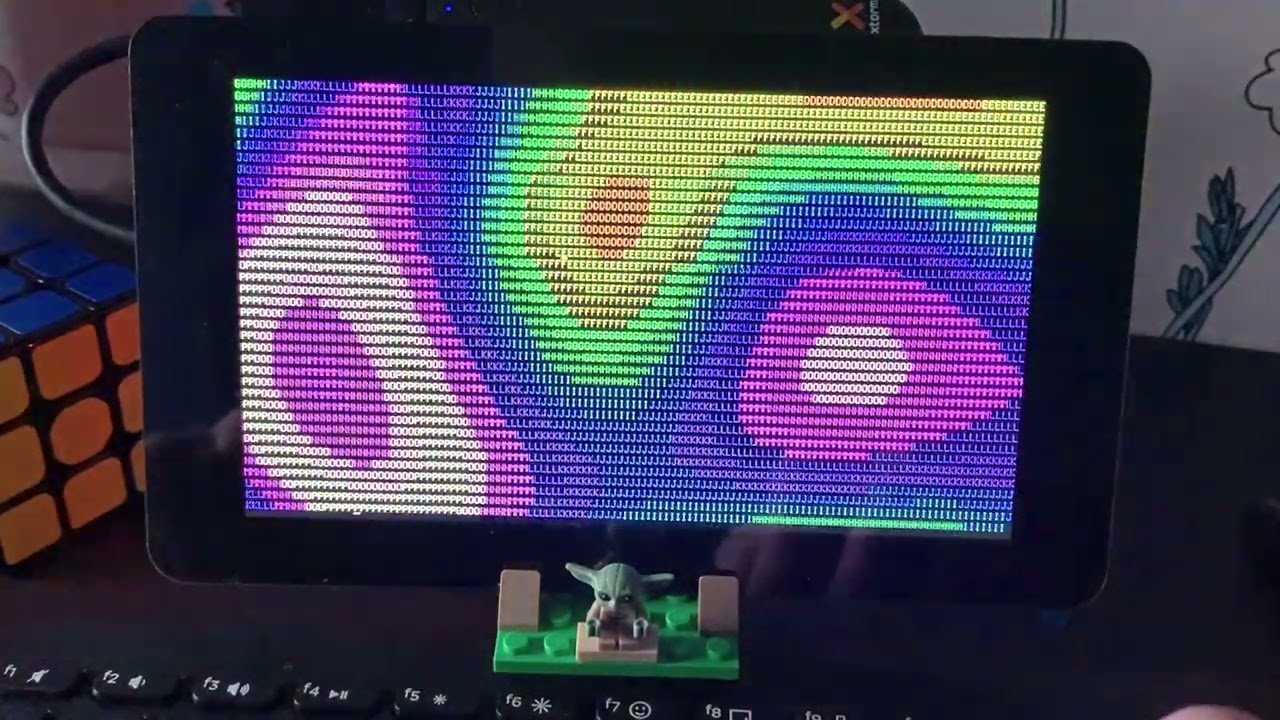
For those interested in exploring this miniature computing platform, the BreezyBox demo is available on GitHub, with the component itself designed to be easily integrated into existing ESP-IDF projects with a single command.
Comments
Please log in or register to join the discussion